How to start a drone business in Texas
Thinking about starting a drone business in Texas? It’s a pretty exciting field right now, with lots of folks using drones for all sorts of jobs. You might be wondering how to even get started, what rules you need to follow, and how to actually make money doing it. This guide is here to break down the steps to help you launch your own drone venture in the Lone Star State.
Key Takeaways
- Get your Part 107 certification from the FAA. You can’t legally fly for business without it.
- Figure out what kind of drone services people in Texas need. Are you going to do photos for real estate, check on construction sites, or something else?
- You’ll need the right drone and gear. Think about what you’ll be doing and pick equipment that fits the job.
- Decide on your business setup, like if you’ll be a sole owner or an LLC. Also, make sure you have insurance for your drone business.
- Tell people about your business! Use online tools and local connections to find clients who need your drone services.
Understanding The Drone Industry In Texas
The Growing Demand For Drone Services
The sky’s the limit, or so they say, and when it comes to drones in Texas, that’s pretty much true. We’re seeing a big jump in how many different businesses want to use drones for all sorts of jobs. Think about it: instead of sending people up on rickety ladders or expensive cranes, a drone can get the same job done faster and safer. This means more companies are looking for drone pilots to help them out. It’s not just a fad; it’s becoming a standard way to get things done.
Economic Impact Of Drones In Texas
Texas is already a big player in aerospace and defense, and drones are just adding to that. The economic boost from drones is pretty significant. We’re talking about new jobs, more tax money for the state, and companies saving cash by using drone technology. It’s estimated that the drone industry could add billions to the economy over the next decade, and Texas is in a prime spot to grab a good chunk of that. This state is a hub for innovation, and drones fit right in with that spirit. aerospace and defense innovation.
Opportunities For Entrepreneurs
So, what does all this mean for you if you’re thinking about starting your own drone business? It means there’s a lot of room to grow. You can find a niche that suits you and the needs of businesses in your area. Some popular areas include:
- Inspections: Checking on things like wind turbines, power lines, or cell towers. It’s dangerous work that drones can do easily.
- Agriculture: Helping farmers keep an eye on their crops, figure out where to water, or spray pesticides more precisely. This can lead to better harvests and less waste.
- Construction: Keeping track of how building projects are going from above, spotting problems early, and making detailed maps.
- Real Estate: Getting those stunning aerial photos and videos that make properties look amazing.
The drone market is expanding rapidly, with new uses popping up all the time. This creates a fertile ground for new businesses to take root and flourish.
Starting out doesn’t always require a massive investment. For some services, like real estate photography, you might be able to get by with a decent drone and your Part 107 certification. However, if you’re aiming for more specialized work, like detailed mapping for oil and gas companies, you’ll probably need extra training. The good news is that this specialized training is often much more affordable than a traditional college degree. You can find workshops and online courses that teach you the specific skills you need to land those higher-paying clients.
Navigating FAA Regulations For Your Drone Business
Alright, so you’re looking to get your drone business off the ground here in Texas. That’s awesome! But before you start thinking about cool drone shots or mapping projects, we’ve got to talk about the rules. The Federal Aviation Administration, or FAA, is in charge of all things flying, and that includes your drone. It might sound a bit daunting, but honestly, it’s mostly about making sure everyone stays safe.
This is probably the most important first step. If you’re flying a drone for anything other than pure hobby fun – meaning for your business – you absolutely need to get your FAA Part 107 Remote Pilot Certificate. Think of it like getting a driver’s license, but for drones. It shows you know the rules of the sky. To get it, you’ll need to:
- Study the material: There’s a lot to learn about airspace, weather, drone operations, and FAA regulations. You can study on your own, but many people find a good prep course helpful. It’s recommended to put in about 15-20 hours of study time.
- Register with IACRA: This is the FAA’s online system for applications.
- Find a testing center: You’ll need to locate an FAA-approved testing facility near you and schedule your exam.
- Pass the test: You need to score at least 70% to pass. Don’t worry, you can retake it if needed.
- Get your certificate: Once you pass, you’ll get a temporary certificate pretty quickly, and your permanent one will arrive in the mail a bit later. Keep in mind, this certificate needs to be renewed every two years with a recurrent online test.
Remember, without this certification, you cannot legally operate a drone for any commercial purpose. It’s the foundation of your entire operation.
So, you’ve got your Part 107. Great! Now, where can you actually fly? Not all airspace is created equal. Some areas are restricted, and you’ll need permission to fly there. The FAA uses a system to manage this, and it’s your job to know where you can and can’t go.
- Controlled vs. Uncontrolled Airspace: Controlled airspace (like near airports) requires specific authorization before you fly. Uncontrolled airspace is generally more open, but you still need to be aware of your surroundings.
- B4UFLY App: The FAA has a handy mobile app called B4UFLY. It’s a good starting point to check for temporary flight restrictions (TFRs) and other airspace limitations in your area.
- LAANC: For controlled airspace, you’ll likely use the Low Altitude Authorization and Notification Capability (LAANC) system. This allows you to get near real-time authorization to fly in certain controlled airspace.
It’s super important to check these resources before every single flight. You don’t want to accidentally fly into a no-fly zone and get into trouble.
This one’s pretty straightforward. If your drone weighs more than 0.55 pounds (that’s about 250 grams), you’ve got to register it with the FAA. This applies to almost all drones used for business. You can do this online through the FAA’s DroneZone portal. Once registered, your drone will get a unique serial number that you’ll need to mark on the aircraft itself. It’s a simple process, but it’s another one of those must-do items to stay compliant. You can register your drone here.
Here’s a quick rundown of what you need to know:
| Drone Weight | Registration Required? | Where to Register |
|---|---|---|
| Under 0.55 lbs | No | N/A |
| 0.55 lbs and over | Yes | FAA DroneZone |
Developing Your Drone Business Plan
Alright, so you’ve got the drone bug and you’re thinking about turning it into a Texas-sized business. That’s awesome! But before you start flying off into the sunset with clients, you really need a solid plan. Think of it like building a house – you wouldn’t just start hammering nails without blueprints, right? Your business plan is your blueprint for success.
Identifying Your Niche Market
This is where you figure out who you’re going to serve and what specific problem you’re solving for them. The drone world is huge, and trying to do everything for everyone is a fast track to burnout. Are you going to focus on real estate photography, helping agents sell homes faster? Maybe agricultural surveys, helping farmers monitor their crops? Or perhaps inspections for cell towers or wind turbines? Get specific. Texas is a big state with diverse needs, so pinpointing your specialty is key.
- Real Estate: High-quality aerial photos and videos for property listings.
- Agriculture: Crop health monitoring, field mapping, and livestock tracking.
- Construction: Site progress monitoring, 3D modeling, and inspection.
- Infrastructure: Inspections of bridges, power lines, and cell towers.
- Public Safety: Search and rescue, accident scene documentation.
Defining Your Service Offerings
Once you know your niche, you can detail exactly what services you’ll provide. Don’t just say “drone services.” Be precise. For example, if you’re in real estate, your services might include:
- Standard aerial photography packages (e.g., 20 high-res photos).
- Cinematic video tours of properties.
- 360-degree virtual tours.
- Twilight photography sessions.
If you’re doing agricultural work, it could be:
- NDVI (Normalized Difference Vegetation Index) mapping.
- Thermal imaging for irrigation issues.
- Stand count analysis.
Clearly defining your services helps clients understand what they’re getting and makes it easier for you to price and deliver.
Pricing Your Drone Services
This is often the trickiest part. You need to charge enough to make a profit but not so much that clients go elsewhere. Look at what others in your chosen niche are charging, but don’t just copy them. Consider your costs:
- Equipment: Drone, batteries, cameras, software.
- Insurance: Absolutely non-negotiable.
- Time: Flight time, editing time, travel time, administrative work.
- Operating Costs: Fuel, vehicle maintenance, software subscriptions.
Here’s a simple way to think about it:
| Service Type | Estimated Time | Hourly Rate | Project Fee | Notes |
|---|---|---|---|---|
| Real Estate Photos | 1-2 hours | $100 – $150 | $300 – $600 | Includes editing and delivery |
| Small Farm Mapping | 4-6 hours | $150 – $200 | $750 – $1500 | Includes basic report |
| Cell Tower Inspection | 2-3 hours | $200 – $300 | $800 – $1800 | Requires specialized equipment/training |
Remember, these are just examples. Your actual pricing will depend on your specific market, your experience, and the complexity of the job. Don’t be afraid to offer package deals or retainer options for regular clients.
Essential Equipment And Technology
Alright, so you’ve got the regulations down and a business plan sketched out. Now, let’s talk about the actual tools of the trade. Picking the right drone and its accessories isn’t just about getting the fanciest gadget; it’s about matching your equipment to the services you’re going to offer. Think of it like a carpenter choosing between a hammer and a saw – you need the right tool for the job.
Choosing The Right Drone
This is probably the biggest decision you’ll make. The drone you choose will depend heavily on your niche. For instance, if you’re planning to do real estate photography, a smaller, agile drone with a good quality camera might be perfect. Something like a DJI Mavic series could be a solid starting point. They’re relatively affordable, easy to fly, and produce great images.
On the other hand, if you’re looking at industrial inspections, like checking wind turbines or power lines, you’ll need something more robust. These often require longer flight times, better weather resistance, and the ability to carry specialized sensors like thermal cameras. Drones like the DJI Matrice series or even more specialized industrial drones might be on your radar. These are a bigger investment, but they open up higher-paying jobs.
Here’s a quick look at how different needs might shape your drone choice:
| Service Type | Recommended Drone Type Examples | Key Features |
|---|---|---|
| Real Estate Photography | DJI Mavic 3, Autel Evo II | High-resolution camera, portability, ease of use |
| Agriculture Monitoring | DJI Agras, Wingtra | Payload capacity for sensors, long flight time |
| Infrastructure Inspection | DJI Matrice 300 RTK, Wingtra | Advanced sensors (thermal, zoom), durability |
| Cinematography | DJI Inspire 3, Freefly Alta X8 | Professional camera integration, stability |
Necessary Accessories And Software
Beyond the drone itself, you’ll need a few other things to make your business run smoothly. First off, extra batteries are a must. You don’t want to be stuck on a job site with a dead battery and no way to charge it. Think about how many flights you’ll need to do in a day and pack accordingly. Landing pads can also be super helpful, especially if you’re flying in uneven terrain or dusty areas – they keep your drone clean and safe.
Software is another big piece of the puzzle. For basic photo and video editing, you’ll want programs like Adobe Lightroom or Premiere Pro. If you’re getting into mapping or 3D modeling, you’ll need specialized software like Pix4D or DroneDeploy. These programs take your raw drone data and turn it into actionable insights for clients. Don’t forget about data storage too; you’ll be collecting a lot of files, so a reliable hard drive or cloud storage solution is important.
- Extra Batteries: Always have more than you think you’ll need.
- High-Quality SD Cards: Fast read/write speeds are important for smooth recording.
- Tablet or Smartphone: For controlling the drone and viewing live feeds.
- Car Charger: Keep those batteries topped up on the go.
- Maintenance Kit: Basic tools for minor fixes and cleaning.
Drone Maintenance And Upgrades
Treating your drone well is key to its longevity and your business’s reliability. Regular maintenance isn’t just a good idea; it’s practically a requirement. This means cleaning the drone after flights, especially if you’ve been flying in dusty or wet conditions. You should also check the propellers for any nicks or cracks – even small damage can affect flight stability. Motors should be kept clean, and you should periodically check all connections and screws.
Keeping a detailed log of your drone’s flight hours and maintenance is a smart move. It helps you track when parts might need replacing and can be useful if you ever need to make an insurance claim. Plus, it shows clients you’re professional and take safety seriously.
As technology advances, you’ll also want to consider upgrades. This might mean getting a drone with a better camera, longer battery life, or new sensor capabilities. It’s a balancing act between investing in new tech and making sure your current equipment is still serving you well. Staying current can give you a competitive edge, allowing you to take on more complex and profitable projects.
Legal And Financial Considerations
Starting a drone business in Texas means you’ve got to think about the boring stuff, like legal structures and money. It’s not as exciting as flying, but it’s super important if you want to stay in business and out of trouble. Let’s break it down.
Business Structure Options
First off, how do you want your business to be set up? This decision affects your taxes, how much personal risk you have, and how you manage things. You’ve got a few main choices:
- Sole Proprietorship: This is the simplest. It’s just you, and your business is you. Easy to start, but if something goes wrong, your personal stuff is on the line. Think of it as no separation between you and the business.
- Partnership: If you’re going into this with someone else, a partnership is an option. You share everything – profits, losses, and liabilities. Like a sole proprietorship, personal assets are at risk.
- Limited Liability Company (LLC): This is a popular choice for a reason. An LLC separates your personal assets from your business debts and lawsuits. So, if your drone business gets sued, your house and car are generally safe. It offers a good balance of protection and flexibility. Setting up an LLC is a good step for any serious drone operation, and it’s wise to look into LLC formation services if you’re not sure how to do it yourself.
- Corporation: This offers the most protection for your personal assets, but it’s also the most complex to set up and run, with more rules and higher taxes.
Choosing the right structure is a big deal. It’s not just about paperwork; it’s about protecting yourself and your future. Take some time to really think about what fits your situation best.
Securing Drone Business Insurance
Accidents happen, even with the best pilots. A drone can malfunction, weather can change suddenly, or you might have a mishap that causes damage or injury. That’s where insurance comes in. You absolutely need insurance to protect your business.
There are two main types to consider:
- Liability Insurance: This covers costs if your drone operations cause property damage or injure someone. It’s usually the most expensive type of insurance, but it offers the most protection.
- Hull Insurance: This covers the physical drone itself. If your drone crashes or is stolen, hull insurance helps you repair or replace it.
Think about how much coverage you need based on the value of your equipment and the types of jobs you’ll be doing. It’s better to be over-insured than under-insured when you’re flying expensive gear.
Tax Obligations For Drone Businesses
Uncle Sam wants his cut, and Texas does too. You’ll need to figure out your tax situation. Depending on your business structure, you’ll have different tax responsibilities. If you’re not a sole proprietor, you’ll likely need a federal Employer Identification Number (EIN) from the IRS. It’s also a really good idea to keep your business finances separate from your personal ones. Opening a dedicated business bank account makes tracking income and expenses much easier, which is a lifesaver when tax season rolls around. You might even want to consider hiring an accountant, especially as your business grows. They can help you navigate all the tax laws and make sure you’re not missing any deductions or paying more than you have to.
Marketing And Client Acquisition
So, you’ve got your drone, your license, and a solid plan. Now comes the fun part: getting people to actually hire you. This isn’t just about having a cool drone; it’s about showing folks why they need your aerial perspective. Building a strong brand and getting your name out there is key to making money with your drone business.
Building Your Brand Identity
Think about what makes your drone service special. Are you the go-to for stunning real estate photos, detailed construction site progress reports, or maybe something else entirely? Your brand is how people see you. It’s more than just a logo; it’s the feeling they get when they think of your company.
- Choose a memorable name: Something that’s easy to say and remember.
- Design a professional logo: This will be on everything from your website to your drone itself.
- Develop a consistent message: What’s your company’s voice? Are you serious and professional, or more laid-back and creative?
- Create a portfolio: This is your visual resume. Show off your best work! Include a variety of projects to demonstrate your range.
Your portfolio is arguably the most important marketing tool you have. It’s where potential clients can see the quality of your work firsthand. Make sure it’s easy to access, well-organized, and features your most impressive aerial shots and videos.
Digital Marketing Strategies
In today’s world, you’ve got to be online. People search for services like yours on their phones and computers all the time.
- Website: Have a clean, professional website that clearly explains what you do, shows your portfolio, and makes it easy for people to contact you. Include your service areas and pricing if possible.
- Search Engine Optimization (SEO): Help people find your website when they search on Google. Use keywords related to drone services in Texas, like “drone photography Austin” or “Texas construction site surveys.”
- Social Media: Use platforms like Facebook, Instagram, and LinkedIn to share your work, connect with potential clients, and run targeted ads. Show behind-the-scenes glimpses of your operations too.
- Online Ads: Consider using Google Ads or social media ads to reach a wider audience quickly. You can target specific demographics and locations within Texas.
Networking For Drone Clients
Don’t underestimate the power of face-to-face connections. Texas is a big state, and building relationships can open doors.
- Industry Events: Attend local business expos, real estate events, or construction trade shows. Have business cards and a way to show off your portfolio on the spot.
- Local Chambers of Commerce: Joining your local chamber can connect you with other business owners who might need your services or know someone who does.
- Partnerships: Collaborate with related businesses. For example, partner with real estate agents, construction companies, or event planners who could benefit from drone services.
- Word-of-Mouth: Happy clients are your best advertisers. Encourage reviews and testimonials. Offer a small referral bonus for clients who bring you new business.
Operational Excellence In Drone Services
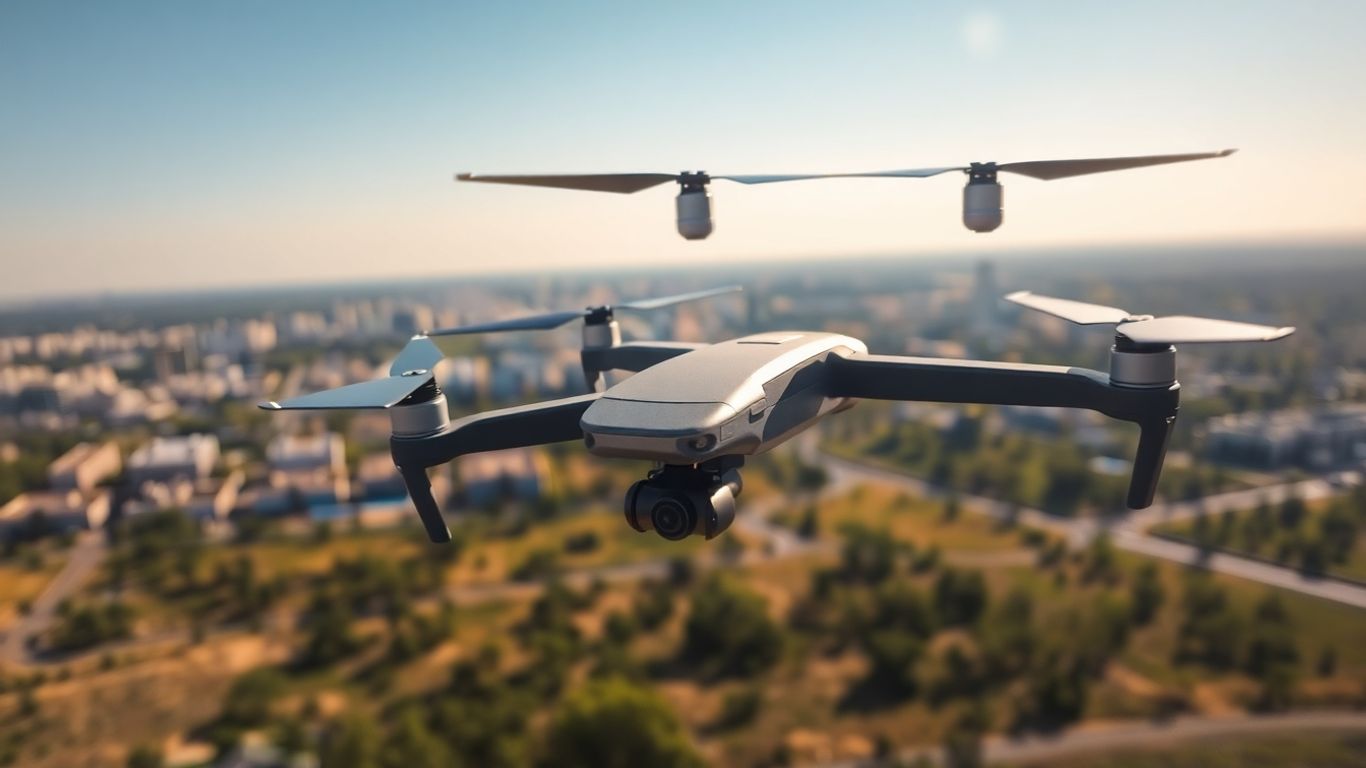
Getting your drone business off the ground is one thing, but keeping it running smoothly and reliably is another. This section is all about making sure your operations are top-notch, so clients keep coming back and your business grows. It’s about having solid procedures in place and always looking for ways to get better.
Implementing Flight Procedures
Having clear, repeatable flight procedures is key to safety and consistency. This isn’t just about following the FAA rules, though that’s a big part of it. It’s about creating a standard operating procedure (SOP) for your team. This means:
- Pre-flight checks: Every pilot needs to go through the same checklist before every single flight. This covers everything from battery levels and propeller condition to weather checks and airspace authorization. No shortcuts here.
- In-flight monitoring: Keeping an eye on the drone’s telemetry, battery life, and surroundings is vital. Knowing when to call it a day due to changing conditions can prevent accidents.
- Post-flight debrief: After landing, a quick review of the flight can catch any issues or identify areas for improvement on the next mission.
A well-documented flight procedure manual is your business’s best friend. It ensures that no matter who is flying, the quality and safety of your service remain consistent. This is especially important if you plan to scale up and hire more pilots.
Data Management and Delivery
What you do with the data after the drone lands is just as important as the flight itself. Clients hire you for the information you gather, so how you handle it matters a lot. Think about:
- Data organization: Have a system for naming files, organizing them by project, and backing them up. Losing data is a business killer.
- Processing and analysis: Depending on your service, you might need software to process images, create maps, or analyze video. Knowing your tools is crucial.
- Client delivery: How will you get the final product to your client? Will it be a secure online portal, a USB drive, or a direct download link? Make it easy for them.
The way you present your final data can significantly impact client satisfaction. A polished, professional delivery makes your service look more valuable and can lead to repeat business and referrals. It shows you care about the details beyond just flying the drone.
Continuous Learning and Skill Development
The drone industry moves fast. New technology comes out, regulations change, and new applications for drones pop up all the time. To stay competitive, you and your team need to keep learning.
- Stay updated on regulations: The FAA sometimes adjusts rules, and you need to be aware of any changes that affect your operations. Keeping up with these changes is vital for legal operations.
- Explore new technologies: Are there better drones, sensors, or software out there that could improve your services or efficiency? Researching these can give you an edge.
- Advanced training: Consider specialized training, like advanced aerial mapping or specific inspection techniques. This can open up new markets and make your business more attractive to certain clients. For instance, understanding how drones are used in disaster relief can open up new service avenues [b18d].
Investing in ongoing education isn’t just about staying current; it’s about growing your business and offering more to your clients.
Wrapping Up Your Texas Drone Venture
So, you’ve looked into starting a drone business here in Texas. It’s a field that’s really taking off, with lots of different ways to make money. Remember, getting that Part 107 certification is the first big step, and it’s not too tough if you put in the study time. After that, it’s all about figuring out what kind of drone services you want to offer, who your customers will be, and how you’ll get the word out. Don’t forget the practical stuff like registering your drone and looking into insurance. It might seem like a lot, but breaking it down makes it manageable. Texas is a big state with plenty of opportunities, so with a solid plan and some hard work, you can definitely get your drone business off the ground.
Frequently Asked Questions
What do I need to do to fly drones for my business legally in Texas?
To fly drones for your business legally in Texas, you absolutely must get your FAA Part 107 certification. This is like a pilot’s license for commercial drone pilots. You’ll need to study and pass a test that covers things like airspace rules and safety. Also, make sure to register your drone with the FAA if it weighs more than half a pound.
What kind of drone should I buy for my business?
The best drone for your business depends on what you plan to do. For general photography and video, a DJI Mavic or Phantom series drone is a great start. If you need to do detailed mapping or inspections, you might need a drone with special sensors, which can be more expensive. Think about what kind of jobs you want and choose a drone that can handle them.
How much should I charge for my drone services?
Figuring out your prices is important. You need to consider your costs, like the drone, insurance, and your time. Look at what other drone businesses in Texas are charging for similar services. You can charge by the hour, by the project, or even offer package deals. Make sure your prices are fair but also let you make a profit.
Do I need insurance for my drone business?
Yes, getting insurance for your drone business is a really good idea. It protects you if something goes wrong, like an accident or damage to property. It’s often required by clients too. Look into liability insurance specifically for drone operations.
How can I find customers for my drone business in Texas?
Getting the word out is key! Build a website and use social media to show off your best work. Network with people in industries that use drones, like real estate agents, construction companies, or event planners. You can also use online ads to reach potential clients.
What are some good business ideas for a drone company in Texas?
There are tons of opportunities! You could focus on real estate photography, inspecting buildings or cell towers, helping with construction projects, creating marketing videos, or even mapping land. The demand for drone services is growing in many different areas.