How to start a drone business in New York
Thinking about starting a drone business in New York? It’s a pretty exciting idea, with lots of potential. But like anything new, it takes some planning. You can’t just grab a drone and start flying for cash, especially in a place like New York. There are rules, gear to figure out, and clients to find. This guide will walk you through the main things you need to consider to get your drone business off the ground.
Key Takeaways
- Make sure you know all the FAA rules for flying drones commercially. This usually means getting your Part 107 certification.
- Look into New York’s specific drone laws. Cities and state parks might have their own rules you need to follow.
- Pick a specific service for your drone business, like real estate photos or inspections. Don’t try to do everything at once.
- Get the right drone and accessories for the job. You don’t need the most expensive stuff, but it needs to work for your chosen service.
- Figure out how you’ll get clients. Networking and showing off your work are good ways to start.
Understanding New York Drone Regulations
Getting your drone business off the ground in New York means you’ve got to know the rules. It’s not just one set of laws, either. You’re looking at federal rules, state-level stuff, and then even local city ordinances. It can feel like a lot, but understanding these is key to staying out of trouble and keeping your operation smooth.
Federal Aviation Administration Requirements
First things first, the Federal Aviation Administration (FAA) sets the big picture for drone flight across the entire country, including New York. If you’re flying for any kind of business purpose – think real estate photos, inspections, or deliveries – you absolutely need to get your FAA Part 107 Remote Pilot Certificate. This means passing a knowledge test. It covers a bunch of important stuff like airspace rules, weather, and how to operate safely. For hobbyists, the rules are a bit different, usually involving a test called TRUST and following recreational guidelines. If your drone weighs more than 0.55 pounds, you’ll need to register it with the FAA too.
New York State Laws and Guidelines
Beyond the federal level, New York State has its own regulations. One significant area is how drones are handled in state parks and historic sites. Generally, you can’t just fly your drone in these places without getting special permission. The Office of Parks, Recreation and Historic Preservation (OPRHP) requires a permit for any drone launch or operation within these areas. They decide on the time, location, and type of use. So, if you’re planning any aerial shots in a beautiful state park, make sure you’ve got that permit squared away well in advance.
Local City and Municipal Ordinances
This is where things can get really specific. Different cities and towns within New York can have their own rules. For example, New York City has had various administrative codes and restrictions. Some have focused on where drones can take off or land, while others have been more restrictive. It’s super important to check the specific ordinances for the exact areas where you plan to operate. What’s allowed in one town might be a big no-no just a few miles away. Ignoring these local rules can lead to fines or other issues, so always do your homework on a city-by-city basis.
Staying informed about drone regulations is an ongoing task. Laws and guidelines can change, especially as the technology evolves and more people start using drones for various purposes. It’s wise to regularly check official sources for any updates that might affect your business operations.
Essential Steps to Start Your Drone Business
Alright, so you’ve got the regulations sorted and you’re itching to get your drone business off the ground here in New York. That’s awesome! But before you start booking gigs, there are a few key things you absolutely need to nail down. Think of these as the building blocks for a business that’s not just flying, but actually soaring.
Obtain Your FAA Part 107 Certification
This is non-negotiable. If you plan to fly drones for any kind of commercial purpose – and that includes pretty much any business use – you must have your FAA Part 107 Remote Pilot Certificate. It’s not just a piece of paper; it means you’ve passed a test showing you know the rules of the sky, how to fly safely, and understand airspace. You’ll need to study up on things like weather, drone operations, and regulations. There are plenty of online courses that can help you prep for the exam, and honestly, it’s worth the investment to get it right the first time.
Develop a Comprehensive Business Plan
Now, don’t let the word ‘comprehensive’ scare you. You don’t need a 50-page document with fancy charts unless you’re looking for major investors. What you do need is a clear roadmap. Think about it like this: how is your business going to make money? What specific services will you offer? What equipment do you actually need to start, and what can wait? And most importantly, how are you going to find people who need your services and keep them happy? Writing this down, even if it’s just a few pages, will keep you focused and help you make smarter decisions as you grow.
Choose Your Drone Business Niche
This is where you figure out what kind of drone work you’re actually going to do. The drone world is huge! Are you going to focus on stunning aerial photography for real estate agents? Maybe you’ll do inspections for construction sites or solar farms? Or perhaps you’re interested in mapping and surveying for land developers? It’s a good idea to look at what services are already out there in New York and see if there’s a gap you can fill. Also, think about what you’re good at or what you enjoy. If you’ve got a knack for photography, that’s a great starting point. If you’re more technically minded, maybe inspections or mapping is more your speed. Picking a niche helps you target your marketing and become known for something specific.
Starting with a clear focus makes it easier to acquire the right tools and market your services effectively. Trying to be everything to everyone right out of the gate can spread you too thin and confuse potential clients.
Acquiring the Right Drone Equipment
Alright, so you’ve got your license and a business plan sketched out. Now comes the fun part: getting the actual gear to make it all happen. You don’t need to break the bank right away, but you do need the right tools for the job you want to do. Think of your drone as your primary workhorse. What kind of work are you planning on doing? That’s going to dictate the kind of drone you need. For instance, if you’re looking at real estate photography, you’ll want something that can capture sharp, high-resolution images and smooth video. If you’re thinking about mapping or inspections, you’ll need a drone with more advanced sensors and flight capabilities.
Selecting a Drone for Your Service Offering
Choosing the right drone is a big decision. It’s not just about picking the flashiest model. You need to match the drone’s capabilities to your specific business niche. Here’s a quick rundown of what to consider:
- Payload Capacity: Can it carry the sensors or cameras you need?
- Flight Time: How long can it stay in the air on a single battery? This is super important for longer jobs.
- Camera Quality: For photography and videography, resolution, frame rates, and sensor size matter.
- Stability and Durability: Especially if you’re flying in less-than-perfect weather or complex environments.
- GPS and Navigation: Reliable GPS is key for precise flight paths and stable hovering.
Essential Drone Accessories for Professional Use
Beyond the drone itself, there are a few accessories that will make your life a lot easier and your work look more professional. You don’t need all of these on day one, but they’re good to have in mind:
- Extra Batteries: Seriously, get more batteries. You’ll always need more flight time than you think.
- High-Speed Memory Cards: You don’t want to run out of space mid-shoot or have slow transfer times.
- Protective Case: To keep your drone and accessories safe during transport.
- ND Filters: These are like sunglasses for your drone’s camera, helping you get smoother video footage, especially in bright conditions.
- Tablet or Smartphone Mount: If you prefer a larger screen for viewing your feed.
Getting the right equipment isn’t just about buying stuff; it’s about investing in tools that will help you do your job efficiently and produce high-quality results for your clients. Start with what you absolutely need and build from there as your business grows.
Ensuring Remote ID and Registration Compliance
This is a big one, and you absolutely cannot skip it. The FAA has rules about Remote ID, and all drones flown for commercial purposes need to comply. This usually means your drone either has Remote ID built into it from the manufacturer, or you’ll need to attach a separate Remote ID broadcast module. You also need to register your drone with the FAA. It’s like getting a license plate for your car. Make sure your FAA registration number is clearly marked on your drone. Keeping proof of registration with you when you fly is also a must. Not following these rules can lead to some hefty fines and can really damage your reputation with clients before you even get started.
Navigating New York’s Unique Airspace
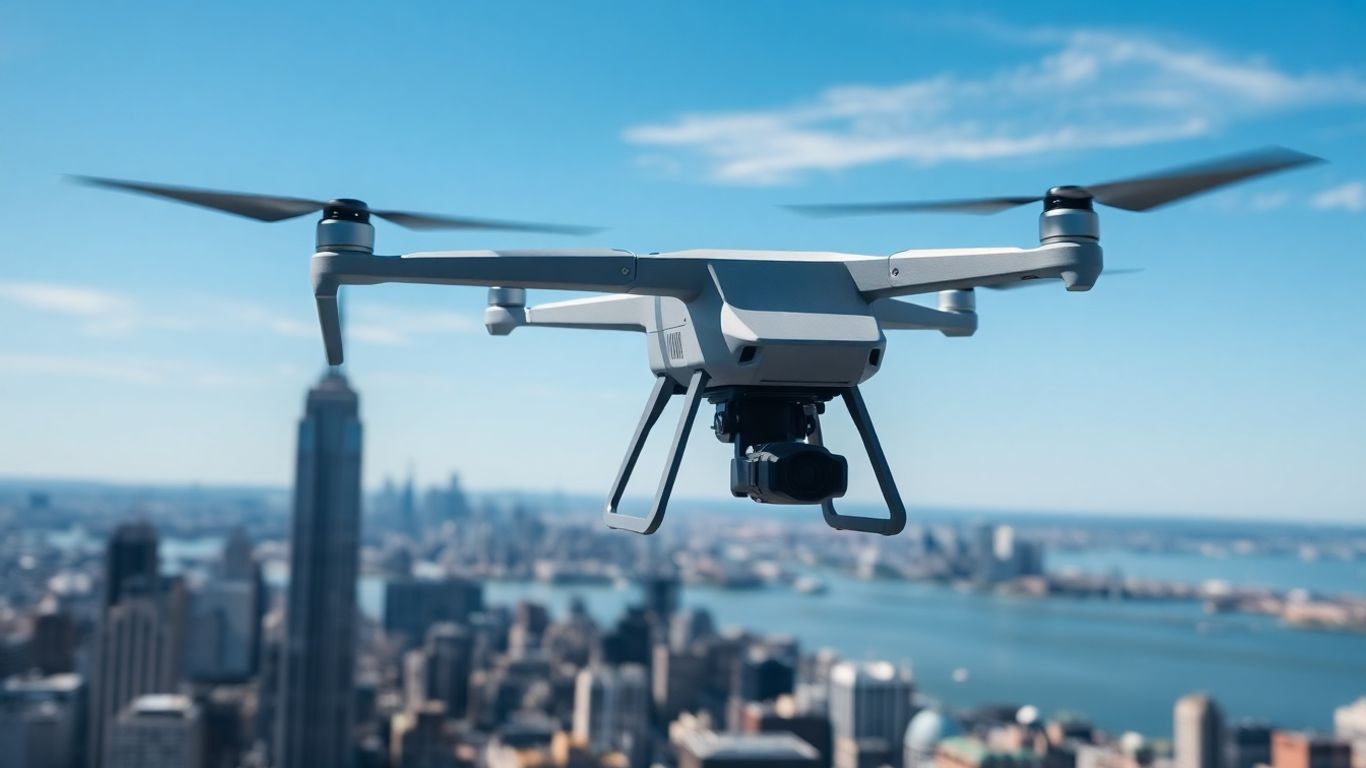
Flying a drone in New York comes with its own set of challenges, especially when you consider the sheer density and complexity of the airspace. It’s not like flying in a wide-open rural area; you’ve got to be extra aware of your surroundings. Understanding and respecting these unique airspace conditions is key to operating safely and legally.
Understanding NYC’s Complex Airspace
New York City is a whole different ballgame. Think skyscrapers, busy airports, and a lot of people. The Federal Aviation Administration (FAA) has specific rules for flying near airports and in densely populated areas. You’ll need to be familiar with controlled airspace classifications, like Class B and Class C, which are common around major airports. Flying in these zones often requires specific authorization from air traffic control. It’s a good idea to get a feel for the airspace before you even take off, maybe by checking out resources that map out flight restrictions. For recreational flyers, remember that you must yield to other aircraft and avoid interference. Always fly within your visual line of sight and avoid flying over people or moving vehicles.
Restrictions in State Parks and Historic Sites
Beyond the city, New York’s beautiful state parks and historic sites also have their own rules. Many of these locations prohibit drone operations to preserve the natural environment and the visitor experience. It’s not just about avoiding a fine; it’s about being a responsible operator. Always check the specific park or site’s regulations before you plan a flight. Some places might have designated areas or times when flying is permitted, while others might have a complete ban. You can often find this information on the park’s official website or by contacting their administration directly.
Importance of Flight Training and Safety
Given the complexities, taking a drone flight training class in New York can be incredibly beneficial. These courses go beyond just the FAA’s Part 107 test. They offer hands-on practice, cover pre-flight checks, intelligent flight modes, and, importantly, how to operate safely and compliantly in challenging environments. Learning from experienced instructors can help you understand how to manage risks, especially when flying near manned aircraft. A good training program will also cover what to do before, during, and after a flight mission to stay safe and legal. It’s about building good habits that will serve you well throughout your drone business career.
Establishing Your Drone Business Legally
Alright, so you’ve got your drone license and a solid plan. Now comes the part that makes it all official: setting up your business the right way. This isn’t the most exciting part, I know, but it’s super important. Getting this sorted means you’re operating above board and protecting yourself.
Choosing a Legal Business Structure
First things first, you need to decide how your business will be structured. This affects everything from taxes to how much personal risk you’re taking on. For most solo drone pilots, the common choices are:
- Sole Proprietorship: This is the simplest way to go. It’s easy to set up, but if something goes wrong, your personal assets are on the line. Think of it as you are the business.
- Limited Liability Company (LLC): This is a really popular choice for a reason. An LLC separates your personal stuff from your business stuff. If the business gets sued or has debts, your house and car are generally safe. It also makes you look more professional to clients.
Registering your business is usually done through your state’s Secretary of State website. It’s not usually a huge expense, maybe a couple hundred bucks depending on where you are in New York.
Understanding Tax and Liability Implications
This is where things can get a little tricky, but it’s vital. You’ll need to figure out your tax situation. Keeping your business finances separate from your personal ones is a big help here. Open a dedicated business bank account. Seriously, this makes tax season so much easier and helps you track where your money is actually going. It also builds trust with clients when they see you’re running a proper operation.
Liability is another big one. Accidents can happen, even with the best pilots. You’ll want to look into getting drone insurance. This can cover damage to your equipment and, more importantly, protect you if your drone causes damage or injury to someone else. It’s a necessary cost of doing business, especially when you’re flying over people’s property or in busy areas.
Operating legally means you’re not just following the rules; you’re building a foundation of trust. Clients want to know you’re legitimate and that their project is in safe hands. Proper registration and insurance are key to showing them you’re serious about your business and their peace of mind.
Building Client Trust and Professionalism
Beyond the paperwork, how you present yourself matters. Being upfront about your certifications, insurance, and business structure goes a long way. When you talk to potential clients, be clear about what you can and can’t do, and what your limitations are. This honesty builds confidence. Having your FAA Part 107 certification is the first step in this process, showing you’ve met the federal requirements to fly commercially. You’ll also want to be clear about your pricing and what’s included in your services. A professional invoice and contract, even for small jobs, can make a huge difference. It shows you’re organized and take your work seriously. Remember, happy clients lead to repeat business and good word-of-mouth referrals, which are gold for any small business.
Finding Clients and Growing Your Business
So, you’ve got your drone, your license, and you’re ready to fly. That’s awesome! But now comes the part that trips a lot of people up: actually getting people to hire you. It’s not just about having the coolest gear; it’s about showing folks what you can do for them. Think of it like this: you wouldn’t open a bakery without telling anyone, right? Same idea here.
Networking and Community Visibility
Getting your first few clients is often about who you know and who knows you. Don’t underestimate the power of just talking to people. Let your friends, family, and even your neighbors know what you’re doing. You never know who might need drone services or know someone who does.
- Attend local business events: Chamber of Commerce meetings, real estate open houses, or even construction site meet-and-greets are great places to connect.
- Join online groups: Look for local business or industry-specific Facebook groups or forums. Participate genuinely, don’t just spam your services.
- Offer a demo: If a local business or organization is having an event, see if you can offer a quick aerial demo. It’s a great way to get noticed.
Being visible in your community is key to getting those initial jobs. It builds trust before you even send an invoice.
Marketing Your Drone Services Effectively
Once you’ve got some connections, you need to show off your work. This doesn’t mean you need a Hollywood-level production for your website. A simple, clean online presence goes a long way.
- Build a basic website: This should include what services you offer, some examples of your work (even if they’re from practice flights initially), your contact info, and maybe a bit about why you started.
- Set up a Google Business Profile: This helps people find you when they search for drone services in your area. Make sure your hours and contact details are up to date.
- Use social media smartly: Post regularly, even if it’s just short clips of your flights or behind-the-scenes looks at your process. Show that you’re active and passionate. Focus on platforms where your potential clients hang out. For example, if you’re targeting real estate, Instagram and Facebook are good bets.
Remember, clients want to see results and professionalism. Even if you’re just starting, presenting yourself well online makes a big difference. It shows you’re serious about your business.
Identifying Untapped Market Opportunities
As you get more comfortable, start thinking about what makes you different. What can you do that others aren’t? The drone surveying market is growing, and there are always new needs popping up.
- Look at your local area: What industries are big in New York? Are there a lot of new construction projects? Lots of historic buildings that might need inspections? Is agriculture a big deal upstate?
- Consider specialized services: Instead of just general photography, could you offer thermal inspections for roofs, detailed mapping for land developers, or even specialized videography for events? These niche services often command higher prices because they require specific skills or equipment. You might find that offering services like aerial mapping is a good fit.
- Talk to potential clients: Ask businesses what their pain points are. Do they struggle with inspecting tall structures? Do they need better progress reports for construction sites? Your drone might be the solution they didn’t know they needed.
Wrapping Up Your Drone Business Journey in New York
So, you’ve made it through the steps of getting your drone business off the ground in New York. It’s not exactly a walk in the park, with all the rules and regulations, especially in a busy place like the city. But hey, if you’ve got the right gear, your FAA Part 107 certificate in hand, and a clear idea of what services you’ll offer, you’re in a good spot. Remember to keep learning about the laws, as they can change, and always put safety first. New York is a huge market with tons of potential, so go out there and show them what your drone can do.
Frequently Asked Questions
Do I need a special license to fly a drone for fun in New York?
If you’re flying a drone just for fun and it weighs less than 0.55 pounds (about 250 grams), you don’t need a special license. However, if it’s heavier, you’ll need to take a safety test called TRUST and register your drone with the FAA. Always follow the FAA’s rules for recreational flying, like keeping your drone in sight.
What’s the main rule for flying drones for work in New York?
To fly a drone for any kind of business or work in New York, you absolutely must get an FAA Part 107 certification. This means passing a test that proves you know all about flying drones safely and legally. Think of it like getting a driver’s license, but for drones!
Are there special rules for flying drones in New York City?
Yes, New York City has some very strict rules. One law basically says you can’t take off or land a drone anywhere in the city unless it’s an emergency and you’re in a designated spot. Some people even say flying drones is illegal in NYC, so it’s super important to check the latest city rules before you even think about flying there.
Can I fly my drone anywhere in New York State Parks?
Nope, you generally can’t just fly your drone in state parks or at historic sites without permission. You need to get written approval, like a special permit, from the park officials beforehand. They decide if, when, and where you can fly.
What kind of drone should I buy for my business?
The best drone for you depends on the kind of work you want to do. If you’re taking pictures, you’ll need a drone with a great camera. If you’re inspecting things, maybe a drone with special sensors is better. You don’t always need the most expensive one, just the one that’s right for your specific job.
How do I find customers for my drone business in New York?
Getting customers often starts with people you know or local connections. Go to events, tell people what you do, and make sure your business is visible in your community. Marketing online and showing off your amazing drone work can also help you land clients.