How to start a drone business in Florida
Thinking about starting a drone business in Florida? It’s a pretty exciting field right now, with lots of potential. You’ve probably seen drones buzzing around, doing all sorts of cool things. But turning that interest into a real business takes more than just owning a drone. You’ve got to understand the rules, get the right paperwork, and figure out how to actually make money. This guide will walk you through the basics of how to start drone business Florida, from the legal stuff to finding customers.
Key Takeaways
- To legally fly a drone for business in Florida, you absolutely need your FAA Part 107 certification. This means passing a test to show you know the rules.
- Florida has state and local rules on top of federal drone laws. You need to be aware of these to avoid trouble, especially in cities like Miami or Orlando.
- Think about what kind of drone services you’ll offer. Industries like real estate, construction, and agriculture are looking for drone help.
- Insurance is a big deal. You’ll need to protect yourself and your business from accidents or damage.
- Getting proper training, both for flying and for business operations, will make a huge difference in how successful you are.
Understanding Florida Drone Regulations
Getting your drone business off the ground in Florida means understanding the rules. It’s not just one set of laws; you’ve got federal, state, and even local rules to keep in mind. Think of it like this: the FAA sets the big picture, the state adds its own layer, and then your specific city or county might have even more detailed requirements. It can seem like a lot, but knowing these regulations upfront will save you headaches down the road. Ignoring these rules can lead to fines, grounded drones, and a seriously stalled business.
Federal Drone Laws Applicable in Florida
No matter where you are in the U.S., including Florida, the Federal Aviation Administration (FAA) has the final say on drone operations. If you’re flying for any kind of business purpose – think real estate photos, inspections, or anything that brings in money – you absolutely must follow the FAA’s Part 107 Small UAS Rule. This means passing the FAA’s Aeronautical Knowledge Test to get your Remote Pilot Certificate. It’s the ticket to flying commercially. If you’re just flying for fun, the rules are a bit different. You’ll need to take The Recreational UAS Safety Test (TRUST) and follow the FAA’s recreational flyer rules. For drones over 0.55 pounds, registration is required, and there are limits on where and how high you can fly, plus you need to keep your drone in sight.
Statewide Drone Laws in Florida
Florida has its own set of laws passed by the state legislature that apply across the entire state. These laws often build upon or clarify federal rules. For instance, Florida has laws that address privacy concerns, like prohibiting the use of a drone to capture images of private property or its occupants without consent if there’s a reasonable expectation of privacy. There are also laws that define drone use by law enforcement and allow for civil action if drones are misused. Some state codes also restrict drone use in state parks and forests, usually requiring special permission to take off or land.
Local Drone Laws Within Florida
This is where things can get really specific. Cities, towns, and counties across Florida can enact their own ordinances regarding drone use. These local laws often deal with issues like noise, privacy, or safety in specific areas. For example, some cities might ban drone flights over parks during events, restrict flights near certain venues, or require permits for commercial operations within their limits. Some ordinances might even set rules about how close you can fly to people or buildings. It’s super important to check with the specific city or county where you plan to operate, as these local rules can vary quite a bit and might add extra requirements on top of federal and state laws.
It’s always a good idea to check with the local government where you plan to operate your drone business. They often have specific rules about where and when you can fly, and what permits you might need. This can save you a lot of trouble later on.
Obtaining Your Commercial Drone Pilot Certification
So, you want to fly drones for money in Florida? That’s awesome! But before you even think about taking off, there’s a really important step you absolutely have to take. You need to get certified by the FAA. This isn’t just a suggestion; it’s the law if you’re flying for any kind of business purpose. Think of it like getting a driver’s license, but for drones.
The Importance of Part 107 Certification
This certification is officially called the Remote Pilot Certificate, and it comes from the FAA’s Part 107 rules. Without it, any flight you do for your business is illegal. That means no real estate photos, no construction site progress shots, nothing. The FAA takes this seriously, and getting this certificate shows you know the rules of the sky and how to fly safely. It’s your ticket to operating legally and professionally.
Steps to Get Your Remote Pilot Certificate
Getting your Part 107 certificate involves a few key steps. It’s not super complicated, but it does require some effort. Here’s a breakdown:
- Study Up: You’ll need to learn about airspace, weather, drone operations, and FAA regulations. Many people spend about 15-20 hours studying. There are online courses and study guides available.
- Register with IACRA: This is the FAA’s online system for applications. You’ll need to create an account here.
- Find a Testing Center: Locate an FAA-approved testing facility near you and schedule your exam. Don’t just show up; you need an appointment.
- Take the Exam: Head to the testing center and pass the aeronautical knowledge test. You need to score at least 70% to pass.
- Submit Your Score: After passing, you’ll finalize your application through IACRA. You usually get your score right after the test.
- Get Your Certificate: You’ll receive a temporary certificate within a week, which allows you to fly legally. The permanent one will arrive in the mail a few months later.
Remember, this certificate isn’t a one-and-done deal. The aviation world changes, and so do the rules. Staying current is part of being a responsible drone pilot.
Maintaining Your Part 107 Certification
Once you have your certificate, you’re not done. The FAA requires you to keep your knowledge fresh. This means you’ll need to take a recurrent online training course every two years. It’s a shorter test than the initial one, but it’s mandatory to keep your Part 107 privileges active. Failing to do this means your certificate expires, and you’ll have to go through the whole process again. So, mark your calendar and stay on top of that renewal!
Launching Your Drone Business in Florida
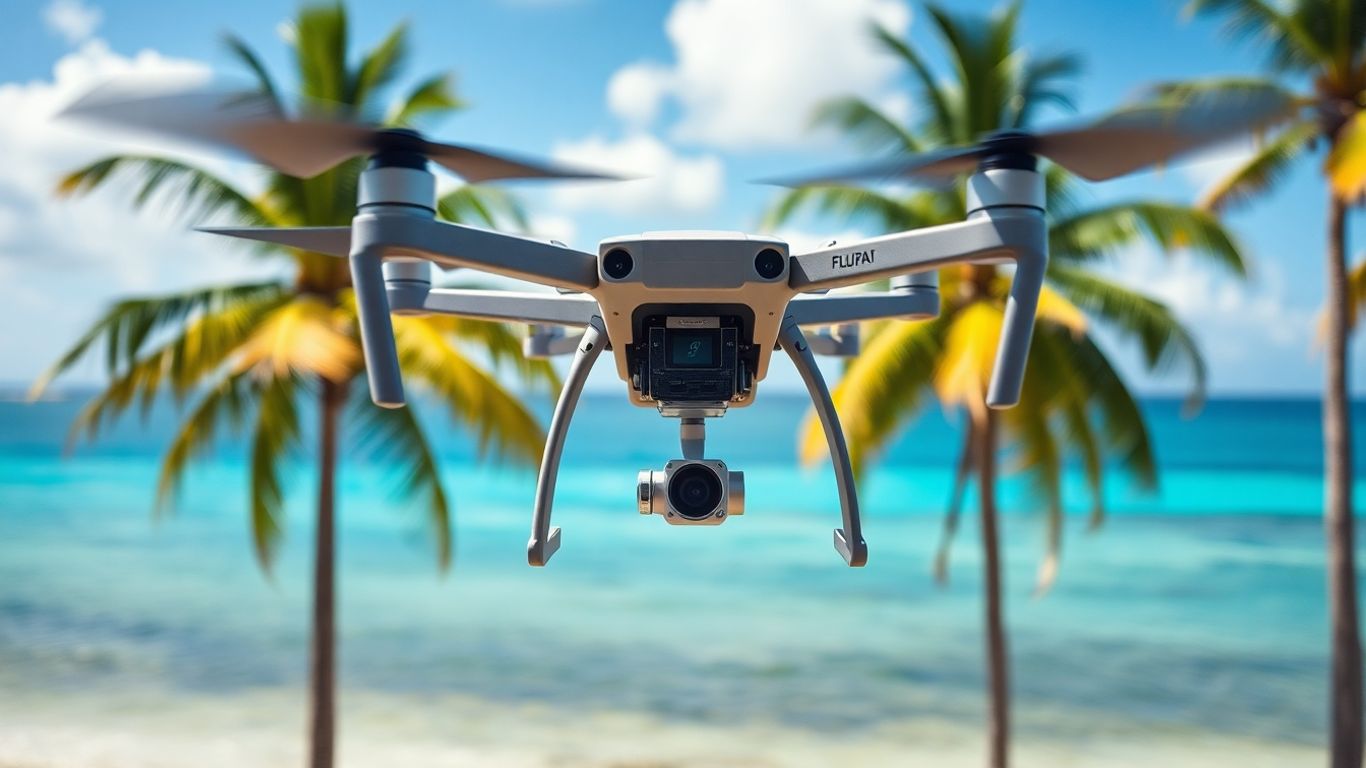
So, you’ve got your drone, you’ve got your pilot’s license, and you’re ready to make some money flying it around the Sunshine State. That’s awesome! But before you start booking gigs, there are a few things you really need to nail down. Think of it like building a house – you wouldn’t just start hammering nails without a plan, right? Same goes for your drone business.
Key Components of a Drone Business Plan
This is where you map out exactly what you’re doing. It sounds fancy, but it’s just a way to get your thoughts organized. You’ll want to figure out:
- What services will you offer? Are you doing real estate photos, inspecting roofs, filming events, or something else entirely? Be specific.
- Who are your customers? Are you targeting local businesses, individual homeowners, construction companies, or government agencies?
- How will you make money? What are your prices? How will you bill clients?
- What equipment do you need? Beyond the drone itself, think about extra batteries, a good camera, software, and maybe even a vehicle to get around.
- What are your goals? Where do you see your business in one year? Five years?
A solid business plan isn’t just for getting loans; it’s your roadmap. It helps you stay focused and make smart decisions when things get hectic. Plus, it forces you to think through potential problems before they actually happen.
Choosing a Name and Logo
This is the fun part, right? Your business name and logo are how people will recognize you. You want something that’s memorable and says something about what you do. Think about names that are easy to say and spell. For your logo, keep it simple and professional. It’s what will appear on your website, your invoices, and maybe even on your drone or vehicle.
Understanding Business Strategy and Operations
This is the nitty-gritty of how your business will actually run day-to-day. You need to think about:
- Your operational workflow: How will you handle inquiries, schedule flights, conduct pre-flight checks, fly, process data, and deliver final products to clients?
- Marketing and sales: How will people find out about your services? Will you use social media, local advertising, networking, or a website? Getting your name out there is key, especially when you’re starting out. You might want to check out resources on how to get your FAA drone license to make sure you’re compliant from the start.
- Customer service: How will you handle client communication and feedback? Happy customers often lead to repeat business and good word-of-mouth referrals.
- Legal and financial setup: This includes registering your business, getting the right insurance, and understanding your tax obligations. Don’t skip this stuff – it’s super important for long-term success.
Navigating FAA Drone Rules for Business
Alright, so you’ve got your drone, you’re ready to make some money with it here in Florida, but hold up a sec. The Federal Aviation Administration (FAA) has a whole set of rules you need to follow. It’s not just about flying for fun anymore; this is business. Understanding and sticking to these rules is super important for keeping your operation legal and safe.
Overview of Part 107 Flight Requirements
The FAA’s Part 107 is basically the rulebook for flying drones commercially. If your drone weighs more than 0.55 pounds, you’ve got to register it. And you, the pilot? You need to be at least 16 years old and have that Part 107 certification. Before you even think about taking off, you must do a check of your drone to make sure everything’s good to go. You also need to have a designated person in charge, the remote pilot in command, who’s responsible for the flight.
- Drone Registration: Drones over 0.55 lbs need to be registered with the FAA.
- Pilot Age: You must be at least 16 years old.
- Certification: Hold a valid Part 107 Remote Pilot Certificate.
- Pre-Flight Checks: Always inspect your drone before each flight.
- Remote Pilot in Command: Designate one person to be in charge of the flight.
Drone Registration and Pilot Age
Let’s break this down a bit more. That 0.55-pound mark is key for registration. Think of it like getting a license plate for your drone. As for age, if you’re under 16, you can’t fly commercially under Part 107. So, if you’re looking to start a business, make sure your pilots meet this age requirement.
Pre-Flight Inspections and Visual Line of Sight
This pre-flight check isn’t just a suggestion; it’s a requirement. You’re looking for any damage, making sure the batteries are good, and that all systems are working correctly. And that visual line of sight thing? It means you, the pilot, need to be able to see your drone with your own eyes at all times during the flight. No relying solely on a screen or a spotter if you can’t see the drone yourself. This helps you avoid obstacles and other aircraft.
Daytime Flight Restrictions and Altitude Limits
Generally, Part 107 flights are limited to daylight hours. If you need to fly at night, you’ll likely need a waiver from the FAA, and that takes time to get. Also, you can’t just fly willy-nilly up in the sky. The altitude limit is typically 400 feet above ground level, or 400 feet above the highest obstacle within a 20-foot radius if you’re near a structure. Speed is capped at 100 mph too. These limits are in place for safety, to keep drones separated from manned aircraft.
Flying a drone for business means you’re operating in the National Airspace System. This isn’t a game, and the FAA takes safety seriously. Following these rules isn’t just about avoiding fines; it’s about preventing accidents and building a reputable business.
Exploring Drone Business Opportunities in Florida
Florida’s a pretty great place to think about starting a drone business. The market for drone services is really taking off, not just here but everywhere. Think about it, drones aren’t just for taking cool aerial photos anymore. They’re becoming tools for all sorts of jobs.
Industry Growth and Market Potential
The drone industry is booming. Reports show it’s growing fast, and that’s expected to keep going. More and more companies are seeing how drones can help them do things better, faster, or cheaper. This means more work for drone pilots and businesses. The market is projected to keep expanding significantly in the coming years.
High Demand for Drone Services
Because so many industries are adopting drone technology, there’s a big need for people who know how to fly them and what to do with the data they collect. This isn’t just a small niche anymore; it’s becoming a mainstream service. Businesses are looking for drone operators for all sorts of tasks.
Numerous Vertical Opportunities
What kind of drone business can you even start? Well, the options are pretty wide open. Here are just a few areas where drone services are in demand:
- Real Estate: Getting those stunning aerial views of properties for listings.
- Construction: Monitoring job sites, checking progress, and doing inspections.
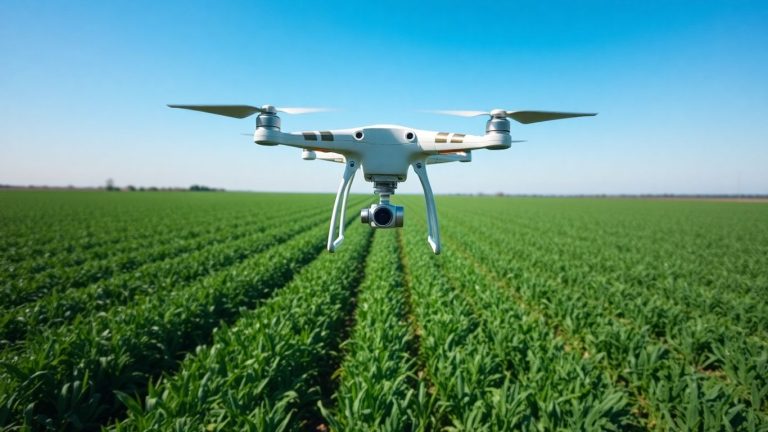
- Agriculture: Surveying fields, checking crop health, and even spraying.
- Inspections: Looking at roofs, bridges, power lines, and other hard-to-reach places.
- Photography & Videography: For events, marketing, films, and more.
- Public Safety: Assisting police and fire departments with search and rescue or scene assessment.
Starting a drone business in Florida means you’re stepping into a field with a lot of potential. The technology is here, the demand is growing, and there are many different ways you can make a living with your drone skills. It’s not just about flying; it’s about providing a service that businesses and individuals genuinely need.
Essential Training for Drone Business Success
So, you’ve got your drone, you’ve got your Part 107 license, and you’re ready to make some money. That’s awesome! But before you start booking gigs, let’s talk about getting the right training. It’s not just about knowing how to fly; it’s about flying smart, safely, and professionally for your business. Think of it like this: you wouldn’t perform surgery without going to medical school, right? Same idea here.
Basic Drone Flight Training
Even if you’ve flown drones for fun, commercial operations are a different ballgame. Basic training focuses on the fundamentals of safe and controlled flight. This includes understanding your drone’s capabilities, learning precise maneuvers, and getting comfortable with different flight modes. It’s about building a solid foundation so you can handle unexpected situations.
- Mastering pre-flight checks to ensure your drone is airworthy.
- Practicing precise takeoffs, landings, and hovering.
- Understanding how weather conditions affect flight performance.
- Learning basic emergency procedures.
Advanced UAV Training Workshops
Once you’ve got the basics down, it’s time to specialize. Florida has a lot of potential for drone businesses, and advanced training can help you stand out. Think about what kind of services you want to offer. Are you interested in real estate photography, construction site monitoring, or agricultural surveys? Different fields require different skills.
- Aerial mapping and modeling: Learn how to use software like DroneDeploy to create detailed 2D and 3D maps of sites. This is super useful for construction and land management.
- Specialized inspection techniques: Get trained on how to conduct thorough roof inspections, bridge inspections, or power line inspections, identifying potential issues that might be missed from the ground.
- Advanced cinematography: If you’re aiming for film or high-end real estate video, this training covers advanced camera movements, lighting, and storytelling with drone footage.
Investing in specialized training isn’t just about learning new skills; it’s about building confidence in your ability to deliver high-quality results for your clients. It shows you’re serious about your business and willing to go the extra mile.
Specialized Training for Inspections and Mapping
This is where you really hone in on specific industry needs. For inspections, you’ll learn about identifying defects, documenting findings, and reporting them effectively. For mapping, it’s all about data accuracy, processing, and delivering usable geospatial products. These aren’t skills you just pick up; they require dedicated learning and practice.
- Data acquisition for photogrammetry: Understanding flight patterns and camera settings to get the best data for creating accurate models.
- Report generation for inspections: Learning to compile clear, concise reports with photographic evidence for clients.
- Understanding different sensor types: Familiarizing yourself with thermal, multispectral, or LiDAR sensors if your business requires them.
Remember, the more skilled you are, the more services you can offer, and the more clients you can attract. It’s a direct path to growing your drone business in Florida.
Financial and Legal Considerations for Your Business
Starting a drone business in Florida means you’ve got to think about the money side of things and the legal stuff. It’s not just about flying drones; it’s about running a real business. You need to protect yourself and your company, and that means looking into insurance and understanding what legal structure makes the most sense for you.
Understanding Drone Insurance
Accidents can happen, even with the most careful pilot. Weather can change fast, equipment can glitch, or you might just have a bad day. That’s where drone insurance comes in. It’s pretty important to have. There are a couple of main types to think about:
- Liability Insurance: This covers costs if your drone causes damage to someone’s property or injures a person. It’s usually the pricier option, but it offers the most protection.
- Hull Insurance: This is more about protecting your actual drone and other business equipment from damage or loss.
Think about how much coverage you actually need. It depends on the kind of work you’ll be doing and the value of your equipment. It’s not a bad idea to look into companies that specialize in drone insurance.
Liabilities and Risk Management
Beyond just insurance, you need to think about the overall risks involved in running a drone business. This includes things like:
- Business Structure: Are you going to be a sole proprietor, a partnership, or an LLC? Each has different legal and tax implications. An LLC, for example, can help separate your personal assets from your business debts.
- Contracts: Having solid service contracts for your clients is a must. These should clearly outline what you’ll do, what the client can expect, payment terms, and liability limits.
- Privacy: While federal rules are one thing, be aware that local Florida ordinances might have specific rules about where you can fly and what you can record. It’s your job to know these.
- Data Management: Keep good records of your flights, maintenance, and client work. This can be super helpful if any questions or disputes come up.
Proper planning and documentation are key. Think of it like keeping a pilot’s logbook, but for your business operations. This organized approach helps prevent problems down the road and makes you look more professional to clients.
Permits and Local Ordinances
While the FAA handles the big picture of drone flight, individual cities and counties in Florida might have their own rules. You might need specific permits to fly in certain areas, especially for commercial work. It’s really important to research the local ordinances for any area you plan to operate in. Ignoring these can lead to fines or even stop your business operations in that location. Always check with the local government or relevant authorities before you start flying for a job in a new area. This diligence can save you a lot of headaches later on.
Wrapping Up Your Drone Business Journey in Florida
So, you’ve looked into the rules, figured out the training, and maybe even picked out a cool name for your new drone venture. It’s a lot to take in, for sure. But remember, the drone world is really taking off, and Florida is a great place to be a part of it. Just keep learning, stay on top of any new regulations, and focus on doing good work. You’ve got this. Now go out there and start flying!
Frequently Asked Questions
Do I need a special license to fly a drone for my business in Florida?
Yes, you absolutely do. To fly a drone for any work or business in Florida, you must have a Remote Pilot Certificate, also known as a Part 107 license. This means passing a test given by the Federal Aviation Administration (FAA). If you’re just flying for fun, you’ll need to take a different, simpler test called TRUST.
What are the basic rules for flying a drone for business in Florida?
The FAA has specific rules called Part 107. You generally can’t fly at night, need to keep your drone in sight at all times, can’t fly higher than 400 feet, and can’t fly over people. If you want to do something outside these rules, like fly at night, you’ll need to get special permission, called a waiver, from the FAA.
Are there any other laws I need to know about besides the FAA rules?
Yes, Florida has state laws, and even some cities and counties have their own local rules about flying drones. These can be about where you can fly, like not flying near parks or big events, or even requiring you to register with the local police before doing business. It’s important to check the rules for the specific area where you plan to operate.
How old do I have to be to get a commercial drone pilot license?
To get your Part 107 certificate, which you need for commercial drone flying, you must be at least 16 years old. This applies to anyone wanting to fly drones for business purposes in Florida or anywhere else in the U.S.
What kind of training is best for starting a drone business?
Getting your Part 107 license is the first big step. After that, basic flight training can help you get comfortable with your drone. Many people also find advanced training useful for specific jobs like taking pictures for real estate or inspecting buildings. It’s good to have a solid understanding of how to fly safely and effectively.
Do I need insurance for my drone business in Florida?
It’s highly recommended to get insurance for your drone business. While not always a strict legal requirement for every single flight, it’s super important for protecting yourself and your business. Accidents can happen, and insurance can cover damages or injuries, helping you avoid big financial problems.