How to start a drone business in California
Thinking about starting a drone business in California? It’s a growing field with lots of potential. You might see drones buzzing around for real estate photos, checking out construction sites, or even helping farmers. It sounds cool, and it can be, but there’s definitely more to it than just buying a drone and flying it. You’ve got rules to follow, business stuff to sort out, and a plan to make. Let’s break down what you need to know to get your own drone business off the ground.
Key Takeaways
- Get your Part 107 Remote Pilot Certificate from the FAA. This is a must for flying drones for any business reason.
- Figure out what kind of drone services people need in your area. Look at what’s popular and where there aren’t many options.
- Make sure you have the right drone and gear for the services you plan to offer. High-quality cameras are often a good idea.
- Set up your business legally by forming an LLC and get insurance to protect yourself from accidents.
- Always follow flight rules, like keeping the drone in sight and checking airspace before you fly.
Understanding FAA Regulations for Your Drone Business
Getting your drone business off the ground in California means you absolutely have to get familiar with the rules set by the Federal Aviation Administration (FAA). It’s not just about having a cool drone; it’s about flying legally and safely. Think of these regulations as the guardrails that keep everyone safe, including yourself and the people on the ground.
Obtain Your Part 107 Remote Pilot Certificate
This is your golden ticket to flying drones for any commercial purpose. You can’t just pick up a drone and start a business. You need to pass the FAA’s knowledge test to get your Remote Pilot Certificate, often called the Part 107 certificate. It shows you know the rules of the sky. To get this, you’ll need to study up on aviation topics, register with the FAA’s system called IACRA, find an approved testing center, and pass the exam with at least a 70%. Once you pass, you’ll get a temporary certificate, and your permanent one will arrive later. Remember, this certificate needs a renewal every two years, so keep that date marked on your calendar.
Adhere to Airspace Rules and Restrictions
Flying your drone isn’t like driving a car; you can’t just go anywhere. The FAA has specific rules about where you can and can’t fly. This includes things like staying out of controlled airspace around airports without permission, avoiding temporary flight restrictions (TFRs) for events or emergencies, and understanding how to get authorization for certain areas. You’ll want to get familiar with tools and apps that show you airspace information in real-time. Always check the airspace before you fly.
Here’s a quick rundown of some key flight rules:
- Drones over 0.55 pounds need to be registered.
- You must be at least 16 years old.
- Always keep your drone within your sight.
- Daylight operations are standard, unless you get a waiver.
- You generally can’t fly over people.
- Stay below 400 feet altitude and under 100 mph.
- Give way to all manned aircraft.
If your planned operation doesn’t fit these standard rules, like flying at night or in restricted zones, you’ll need to apply for a waiver from the FAA. These waiver requests can take time, sometimes up to 90 days, so plan ahead if you think you’ll need one for a specific job.
Understand Drone Registration Requirements
Most drones used for business purposes need to be registered with the FAA. This applies to drones weighing more than 0.55 pounds. Registration is pretty straightforward and can be done online. It helps the FAA keep track of all the aircraft operating in the national airspace. Make sure you have your drone registration number clearly marked on the outside of your drone. This is a simple step that avoids a lot of potential headaches down the road. You can find more information on drone registration on the FAA website.
Choosing Your Drone Business Niche
Alright, so you’ve got your drone, you’re thinking about starting a business, but where do you even begin? It’s not just about flying; it’s about figuring out what kind of flying will actually make you money. This is where picking your niche comes in. Think of it like choosing a specialty in medicine – you can’t be a jack-of-all-trades and be the best at everything. You need to find that sweet spot where what you can do meets what people actually need and are willing to pay for.
Research Market Demand and Trends
First things first, you gotta do your homework. What are people actually looking for when it comes to drone services? Are real estate agents in your area desperate for better property photos? Are local farmers needing to check on their crops without walking miles? You can’t just guess; you need to look at what’s happening. Check out what other drone pilots are doing, see what services are popular, and try to spot where things are headed. It’s all about finding a growing area. For instance, the demand for detailed aerial surveys in agriculture is really picking up. You can get a good overview of how to launch a drone business in 2025 by looking at current market trends.
Identify Service Gaps in Your Area
Once you have a general idea of what’s in demand, zoom in on your local area. What services are already being offered, and more importantly, what’s not being offered? Maybe there are a ton of drone photographers, but nobody is doing thermal inspections for buildings or creating 3D models of construction sites. Filling a gap means less competition for you, which is always a good thing when you’re just starting out. It’s like finding an empty parking spot right in front of the store – way easier than circling the block.
Align Services with Your Skills and Interests
Now, let’s get personal. What are you actually good at, and what do you enjoy doing? If you hate editing photos, maybe aerial photography isn’t your best bet, even if there’s demand. But if you’re super detail-oriented and love working with data, perhaps drone mapping or inspections would be a better fit. You’ll be spending a lot of time on this, so it’s best if it’s something you don’t dread. Plus, if you have a background in something like construction or real estate, that knowledge can be a huge advantage when you’re offering drone services in that field. It’s a win-win: you do what you’re good at and what you like, and clients get someone who knows their stuff.
Picking the right niche isn’t just about picking a service; it’s about finding a sustainable business model that plays to your strengths and addresses a real market need. Don’t rush this step; it’s the foundation for everything else.
Here’s a quick look at some popular niches:
- Real Estate Photography/Videography: High demand for showcasing properties. Requires good eye for composition and editing skills.
- Agricultural Services: Crop monitoring, soil analysis, and mapping. Often needs specialized sensors.
- Construction Site Monitoring: Progress tracking, site mapping, and inspections. Needs accuracy and regular reporting.
- Infrastructure Inspection: Bridges, power lines, cell towers. Requires precision and safety focus.
- Event Coverage: Aerial shots for weddings, festivals, or corporate events. Needs good timing and adaptability.
- Mapping and Surveying: Creating detailed maps and 3D models. Requires specialized software and accuracy.
Essential Equipment and Technology
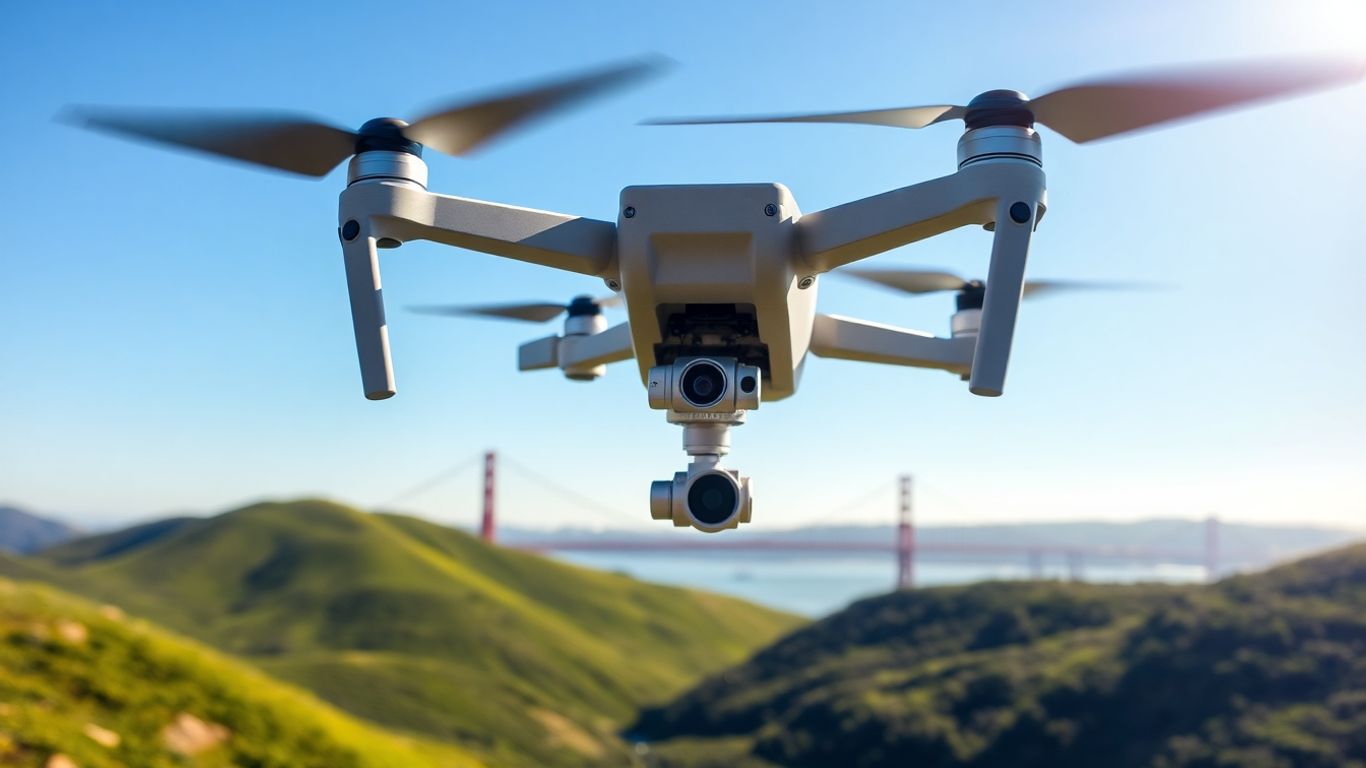
Alright, so you’ve got your niche picked out and you’re ready to start flying for cash. But what do you actually need to get this drone business off the ground? It’s not just about grabbing the first drone you see. You’ve got to think about what you’ll be doing and what gear will help you do it best.
Select Drones Suited for Your Niche
This is probably the most obvious part, right? The drone itself. But here’s the thing: not all drones are created equal, and what’s perfect for shooting a wedding might be totally wrong for inspecting a bridge. You need to match the drone’s capabilities to the job. For example, if you’re doing real estate photography, you’ll want something with a really good camera that can capture sharp, clear images and smooth video. Maybe something like a DJI Mavic 3 Pro. But if you’re looking at industrial inspections, you might need a more robust drone, like a DJI Matrice series, that can handle tougher conditions and carry specialized sensors, like thermal cameras. Think about flight time too – you don’t want to be constantly swapping batteries when you’re on a tight schedule.
Invest in High-Resolution Cameras and Sensors
Beyond the drone itself, the camera is your eye in the sky. For most commercial work, especially anything involving visuals like photography, videography, or mapping, you’re going to need a camera that shoots in high resolution. We’re talking 4K video at a minimum, and for stills, a good number of megapixels. If your niche involves inspections or surveys, you might need more than just a standard camera. Thermal sensors can spot heat leaks or structural issues, while multispectral sensors are great for agriculture to check crop health. These add-ons can really set your services apart and open up more specialized, higher-paying jobs.
Consider Specialized Software for Data Analysis
Flying the drone and capturing footage is only half the battle. What are you going to do with all that data? This is where specialized software comes in. For mapping and surveying, you’ll need photogrammetry software, like Pix4D or DroneDeploy, to stitch together your images and create accurate 3D models or orthomosaic maps. If you’re doing inspections, you might use software that helps you annotate images, track issues, or generate detailed reports. Even for video editing, having professional software like Adobe Premiere Pro or Final Cut Pro is a must if you want to deliver polished, client-ready videos. Don’t underestimate the power of good software – it’s what turns raw data into actionable insights for your clients.
Picking the right gear isn’t just about buying the most expensive stuff. It’s about making smart choices that fit your specific business needs and budget. Think about what you’ll be doing day-to-day and invest in equipment that will help you do that job well, and maybe even a little better than the next guy.
Legal and Financial Foundations
Alright, so you’ve got your drone, you know what you want to do with it, and you’re ready to make it official. This is where things get a little less about flying and a bit more about paperwork, but it’s super important. Getting this stuff right from the start means you won’t have headaches down the road.
Form a Limited Liability Company (LLC)
First off, you need to decide how your business will be structured. For most drone businesses in California, setting up a Limited Liability Company, or LLC, is a smart move. Why? Well, it separates your personal stuff – like your house and savings – from your business stuff. If, heaven forbid, something goes wrong with your business and someone sues, they can’t just come after your personal assets. It’s like putting a shield around your personal life. You’ll need to file some paperwork with the California Secretary of State, and there are annual fees, but it’s generally pretty straightforward. You can do it yourself or hire a service to help.
Secure Comprehensive Drone Liability Insurance
This is non-negotiable. Accidents happen, even to the most careful pilots. A gust of wind, a sudden equipment malfunction, or even just a misjudgment can lead to a crash. Drone liability insurance protects you if your drone causes damage to property or, worse, injures someone. Many clients, especially larger companies, will require you to have a certain amount of coverage before they even consider hiring you. We’re talking about policies that can cover hundreds of thousands, or even millions, of dollars in damages. It might seem like a big expense, but it’s a tiny price to pay for peace of mind and the ability to actually get hired for jobs.
Here’s a quick look at what you’re generally looking at:
- Liability Coverage: This is the big one. It covers damage to other people’s property or injuries to individuals caused by your drone operations. Think of it as your main safety net.
- Hull Coverage: This covers the physical drone itself. If your drone crashes and is damaged, hull insurance can help pay for repairs or replacement.
- Payload Coverage: If you’re using specialized equipment like high-end cameras or sensors, this covers those too.
Develop a Detailed Business Plan
Think of your business plan as your roadmap. It doesn’t have to be a hundred pages long, but it should cover the basics. What services are you going to offer? Who are your ideal customers? How much are you going to charge? What are your goals for the first year, the next three years? It also forces you to think about your startup costs – equipment, insurance, software, marketing – and how you plan to make money. This document is super helpful not just for keeping yourself on track, but also if you ever decide to seek out loans or investors. It shows you’ve thought things through.
A solid business plan isn’t just for attracting investors; it’s your personal guide. It helps you stay focused on your goals, anticipate challenges, and make smarter decisions as your business grows. Without one, you’re essentially flying blind, hoping for the best instead of planning for success.
Operationalizing Your Drone Business
So, you’ve got your drone, your certificate, and a solid plan. Now comes the part where you actually start flying for clients. This isn’t just about taking off and pointing the camera; it’s about running a professional operation. Think of it like any other service business – reliability and safety are key. You wouldn’t want your plumber showing up without the right tools, right? Same goes for your drone business.
Conduct Pre-Flight Inspections
Before every single flight, you absolutely have to do a thorough check of your drone and equipment. This isn’t just a suggestion; it’s a critical step to prevent accidents and ensure you get the footage or data your client needs. What exactly should you be looking at?
- Battery Levels: Make sure all batteries (drone and controller) are fully charged. It’s a good idea to carry spares, too.
- Propellers: Check for any nicks, cracks, or signs of wear. Damaged props are a major safety hazard.
- Drone Body and Arms: Look for any physical damage, loose screws, or anything that seems out of place.
- Camera and Gimbal: Ensure the lens is clean and the gimbal moves freely without obstruction.
- SD Card: Make sure there’s a card in the slot and it has enough space for your flight.
- Controller and Software: Check that your controller is connected, the app is updated, and you have a good signal.
This routine check helps you avoid mid-air failures and ensures you’re compliant with safety standards. It’s a small amount of time that can save you a lot of trouble.
Maintain Visual Line of Sight
This is a big one, especially when you’re starting out. The FAA requires you to keep your drone within your visual line of sight (VLOS) at all times. This means you, or a visual observer you’re directly communicating with, must be able to see the drone with your own eyes, without the aid of binoculars or other magnification devices. Why is this so important?
Maintaining VLOS is fundamental for situational awareness. It allows you to spot and avoid other aircraft, obstacles like trees or buildings, and understand your drone’s position relative to its surroundings. Without it, you’re essentially flying blind, which is incredibly risky.
This rule is in place to prevent collisions and ensure the safety of people on the ground and in the air. If you need to fly beyond visual line of sight (BVLOS), that requires special waivers and a much more complex operational setup, which we’ll touch on later.
Understand Waiver Requirements for Advanced Operations
Sometimes, the standard Part 107 rules just don’t cut it for the kind of work you want to do. Maybe you need to fly at night, fly over people, or operate multiple drones at once. For these kinds of advanced operations, you’ll likely need to apply for a waiver from the FAA. Getting a waiver isn’t a walk in the park; it requires a detailed plan showing how you’ll conduct the operation safely, even though it deviates from the standard rules. You’ll need to demonstrate that your proposed operation won’t pose a risk to people or property. This often involves submitting a comprehensive safety case, which might include things like:
- Detailed operational procedures: How exactly will the flight be conducted?
- Risk assessments: What could go wrong, and how will you mitigate those risks?
- Pilot training and experience: Proof that you’re qualified for the specific operation.
- Technology used: Any special equipment that aids safety.
Applying for waivers can take time, so it’s something to plan for well in advance if your business model relies on these advanced capabilities. You can find more information on applying for waivers through the FAA’s website, which is a good resource for any commercial drone pilot in California [d198].
Growing Your Drone Business
So, you’ve got your drone business off the ground in California. That’s awesome! But now what? The drone world moves fast, and staying put means falling behind. It’s all about looking ahead and figuring out how to expand your operations and client base. Think of it like this: you wouldn’t just buy a bike and never ride it, right? Same idea here. You need to keep pedaling to get anywhere.
Explore Additional Drone Business Ideas
It’s easy to get comfortable with what you’re doing, but the drone industry is huge. There are tons of other services you could offer that might complement what you already do, or even be a whole new direction. For example, if you’re doing real estate photography, maybe you could also offer roof inspections for property managers. Or if you’re doing event videography, perhaps you could add 3D mapping for construction sites. It’s worth looking into what else is out there. You might find a niche you hadn’t even considered. Checking out resources that list profitable drone business ideas can give you a good starting point for brainstorming. Don’t be afraid to pivot or add services as the market shifts.
Consider Advanced UAV Training
To offer more specialized services, you’ll likely need more training. Think about getting certified for things like advanced sensor operation, thermal imaging, or even flying beyond visual line of sight (BVLOS). These advanced skills can open doors to industries that pay more and have fewer operators. It’s an investment in yourself and your business. You could also look into training for specific software that helps analyze the data you collect, making your reports more detailed and useful for clients.
Analyze Startup Costs and Return on Investment
Whenever you think about adding a new service or buying new gear, you’ve got to do the math. How much will that new drone or specialized sensor cost? What about the training? And more importantly, how much more money can you realistically expect to make with this new venture? It’s not just about spending money; it’s about making smart investments that pay off. You want to see a good return on your investment, meaning the money you make back is more than what you put in. Keep track of your expenses and income closely. This helps you see what’s working and where you might need to adjust your strategy.
Growing a business isn’t just about doing more of the same. It’s about smart expansion, continuous learning, and making sure your investments make financial sense. Always be thinking about the next step and how you can adapt to the evolving drone landscape.
Wrapping It Up
So, you’re thinking about starting a drone business here in California? It’s definitely doable, and honestly, pretty exciting with how fast this tech is moving. Remember, getting that Part 107 license is non-negotiable, and thinking about an LLC is a smart move to protect yourself. Figure out what kind of drone work you want to do, get the right gear, and don’t forget insurance. It takes some effort, sure, but with a good plan and by following the rules, you can get your drone business off the ground and flying high. Good luck out there!
Frequently Asked Questions
Do I really need a special license to fly drones for my business?
Yes, absolutely! In the United States, if you plan to fly a drone for any kind of work or to make money, you need to get what’s called a Part 107 Remote Pilot Certificate from the FAA. Think of it like a driver’s license for drones. Without it, you could face fines and other trouble.
What’s the hardest part about starting a drone business?
Getting your Part 107 license can take some effort, as you need to study and pass a test. Also, figuring out which services people actually need and are willing to pay for is key. It’s not just about flying; it’s about running a business and solving problems for customers.
How much money does it cost to start a drone business?
The cost can change a lot depending on what kind of drone and equipment you need. Some people start with just a few thousand dollars for basic gear and training. Others might spend over $30,000 if they need really advanced drones and cameras for specific jobs like mapping or inspections.
Can I start a drone business on the side while still working my regular job?
Definitely! Many people begin their drone businesses as a part-time thing. This lets you test the waters, build up clients, and earn extra money without quitting your main job right away. Real estate photography is a popular starting point for part-time work.
What kind of drone services are popular right now?
Lots of businesses need drone services! Some popular choices include taking aerial photos and videos for real estate agents, checking the condition of roofs and buildings, surveying land, and helping farmers monitor their crops. It’s smart to look at what services are in demand in your local area.
Do I need to register my drone?
Yes, if your drone weighs more than 0.55 pounds (about 250 grams), you’ll need to register it with the FAA. This is a simple process and helps the authorities keep track of drones being used for business.