How to create drone service packages
Starting a drone service business might seem complicated, but breaking it down into steps makes it much more manageable. Think about what you want to offer, how you’ll price it, and what gear you’ll need. Plus, staying on the right side of the rules is a big part of it. This guide will walk you through creating your own drone service packages, from the big ideas to the small details.
Key Takeaways
- Figure out who you want to serve and what they need. Are you aiming for businesses that need aerial photos, or maybe farms that need crop checks? Knowing your audience helps you build the right drone service packages.
- Look at what other drone companies are doing. See what kinds of drone service packages they sell, how much they charge, and what people say about them. This helps you find your own spot in the market.
- Decide on the different levels of service you’ll offer. Think about a basic package, a mid-tier option, and a premium one. You can also add extra services like faster delivery or special data analysis for an extra charge.
- Make sure you have the right drones and equipment for the job. This includes picking drones that can carry what you need them to and have enough battery life. Also, think about software to manage your fleet.
- Understand all the rules and safety guidelines for flying drones. You’ll need the right licenses and certifications, and your pilots need good training. Following these rules keeps everyone safe and your business out of trouble.
Defining Your Drone Service Packages
Alright, so you’ve got the drone bug and you’re thinking about turning it into a business. That’s awesome! But before you start flying, you gotta figure out what exactly you’re going to offer. It’s not just about having a drone; it’s about creating a service that people actually need and will pay for. This first step is all about getting clear on who you’re serving and what they’re looking for.
Identify Target Markets and Customer Needs
First things first, who are you trying to help? Are you thinking about real estate agents who need aerial photos of properties? Or maybe farmers who want to survey their fields? Or perhaps businesses that need quick deliveries? You can’t be everything to everyone, so pick a niche. Think about what problems your drone service can solve for specific groups of people. What are their biggest headaches? What would make their lives or jobs easier? Really dig into this. Talk to potential customers if you can. Ask them what they’d want from a drone service. This isn’t just guesswork; it’s about building a service that fits a real need. For example, if you’re looking at agricultural drone services, the specific crop being serviced and the size of the field are big factors in what a farmer might need [eae7].
Analyze Competitor Offerings and Pricing
Once you know who you’re targeting, take a peek at what else is out there. Who else is offering drone services in your area, or for the market you’re eyeing? What are they selling? How much do they charge? Don’t just copy them, but understand their game. This helps you see where there might be gaps in the market or where you can offer something better or different. It also gives you a baseline for your own pricing. You don’t want to be way too expensive or way too cheap.
Here’s a quick look at what to compare:
- Services Offered: What exactly do they do? Aerial photography, mapping, inspections, delivery?
- Package Tiers: Do they have different levels of service?
- Pricing Structure: Is it by the hour, by the project, or a subscription?
- Customer Reviews: What are people saying about them?
Determine Service Area and Delivery Radius
Where are you actually going to operate? You can’t just fly anywhere. Think about your local area. What’s the maximum distance you can realistically travel to a job site and complete the work within a reasonable timeframe? If you’re thinking about deliveries, what’s a practical radius for your drones? Consider things like travel time, battery life, and local regulations. It’s better to start with a focused area and do a great job there, rather than spreading yourself too thin. You can always expand later as your business grows and you get more experience. A clear service area helps manage customer expectations and keeps your operations focused.
Structuring Your Drone Service Offerings
When you’re setting up your drone service, you can’t just offer one thing and expect it to work for everyone. People need different things, and you need to be ready for that. Think about how you can break down what you do into different packages, and then add on extras. This makes it easier for customers to pick what they need and for you to manage your business.
Develop Tiered Service Packages
It’s smart to have a few different levels of service. This way, customers can choose based on their budget and what they really need. You could have a basic package, a standard one, and then a premium option. Each level should offer more features or better service than the one below it.
Here’s a simple way to think about it:
- Basic Package: Good for simple, one-off jobs. Maybe a quick delivery or a basic aerial photo. It’s the most affordable option.
- Standard Package: This is for more common needs. It might include a few more flights, a bit more data, or a slightly longer service window. It’s a good middle ground.
- Premium Package: This is for clients who need the most. Think longer flight times, higher-resolution data, priority service, or custom solutions. It comes with a higher price tag.
The key is to make the value clear at each tier. Customers should easily see why they’d choose one over the other.
Incorporate Add-On Services and Features
Beyond the main packages, think about what else you can offer. These are like little extras that customers can add to their chosen package. This lets them customize their service even more and can also boost your revenue. Things like extra data processing, faster turnaround times, or specialized equipment can be great add-ons.
Some ideas for add-ons:
- Advanced Data Analysis: If you’re providing photos or videos, offer to analyze them for specific insights.
- Extended Flight Time: For clients who need longer aerial coverage.
- Rush Service: For urgent needs, offer a faster response time.
- Custom Reporting: Tailor reports to specific client requirements.
These extras show you’re flexible and can meet unique demands.
Establish Clear Service Level Agreements
This is super important. A Service Level Agreement, or SLA, is basically a contract that spells out exactly what you promise to do for your client. It covers things like how quickly you’ll respond, what the quality of your service will be, and what happens if something goes wrong. Having this in writing protects both you and the customer.
Your SLA should clearly state:
- Response Times: How quickly you’ll get back to them or start a job.
- Service Availability: When your service is available (e.g., business hours, 24/7).
- Performance Standards: What level of quality they can expect (e.g., data accuracy, flight duration).
- Exclusions and Limitations: What you won’t do or what might affect service (like bad weather).
- Resolution Procedures: How you’ll handle complaints or issues.
A well-written SLA builds trust. It shows clients you’re professional and serious about your commitments. It also helps manage expectations, which means fewer misunderstandings down the road. Make sure it’s easy to understand, not full of confusing legal talk.
By structuring your services this way, you create a clear, adaptable business model that can grow with your clients’ needs.
Pricing Your Drone Service Packages
Figuring out how much to charge for your drone services can feel like a puzzle, right? You’ve got your cool drones, your skills, and a bunch of potential clients, but what’s the magic number? It’s not just about pulling a figure out of thin air. You really need to look at what it costs you to run things and what the market can handle. Getting this right means you can actually make a profit and keep your business flying.
Calculate Operational Costs and Overhead
First things first, let’s talk about what it costs to keep your drone business humming. This isn’t just the price of the drone itself. Think about all the little things that add up:
- Drone Hardware: This is a big one. A basic drone might run you $1,000-$2,000, but if you need something more advanced for, say, detailed inspections or mapping, you could be looking at $3,000-$6,000 or even $10,000-$20,000+ for top-tier equipment.
- Training and Certification: Getting your FAA Part 107 license and any specialized training costs money. Budget anywhere from $150 to $2,500 depending on how much training you need.
- Insurance: This is non-negotiable. Liability insurance can range from $500-$1,000 annually for basic coverage, up to $2,500-$5,000 annually for more extensive operations.
- Software: You’ll need software for flight planning, data analysis, and maybe even editing. This could be $200-$500 a year for basic tools, or $1,200-$3,000 annually for professional-grade systems.
- Maintenance and Repairs: Drones need upkeep. Factor in costs for regular checks, replacement parts, and unexpected repairs.
- Batteries and Charging: You’ll need multiple batteries and a reliable charging setup. Don’t forget the electricity costs!
- Marketing and Branding: Setting up a website, business cards, and any advertising costs money. This could be $500-$1,000 initially, or $3,000-$7,000 for a more robust campaign.
- Overhead: This includes things like office space (if you have one), utilities, internet, and any administrative staff.
It’s a good idea to track these expenses closely. You can even create a simple spreadsheet to see where your money is going.
Implement Competitive Pricing Strategies
Once you know your costs, you need to look at what others are charging. You don’t want to be the cheapest if it means you’re losing money, but you also don’t want to price yourself out of the market.
- Analyze Competitor Pricing: See what similar services cost in your area. Are other drone operators charging by the hour, by the project, or a flat fee? What do they include in their packages?
- Value-Based Pricing: Instead of just looking at costs, think about the value you provide to the client. If your drone service saves a construction company hours of manual inspection time, or helps a real estate agent sell a property faster, that’s worth something. Price based on that benefit.
- Tiered Packages: Offer different levels of service. A basic package might be a simple photo shoot, while a premium package could include detailed video, advanced data analysis, and a quick turnaround time. This lets clients choose what fits their budget and needs.
- Project-Based vs. Hourly: For some jobs, like a standard real estate photo shoot, a flat project fee might be best ($200-$500). For more complex or unpredictable jobs, like long-term construction monitoring, an hourly rate might make more sense.
- Long-Term Contracts: If you can secure ongoing work with companies in industries like agriculture, utilities, or construction, offering contract pricing can provide steady income and financial stability.
Remember, pricing isn’t static. As your business grows, your equipment gets better, and your experience increases, you can adjust your prices accordingly. Don’t be afraid to charge what you’re worth.
Project Return on Investment
So, you’ve calculated your costs and figured out your pricing. Now, let’s talk about making money. You need to project how much you expect to earn and when you’ll start seeing a profit.
- Estimate Revenue: Based on your pricing and how many clients you realistically expect to serve, estimate your monthly or annual revenue. For example, if you charge $300 per real estate shoot and aim for 10 shoots a month, that’s $3,000 in revenue from that service alone.
- Calculate Profit Margin: Subtract your total operational costs from your projected revenue. The difference is your profit. A healthy profit margin is key to a sustainable business.
- Break-Even Point: Figure out how much revenue you need to generate just to cover all your costs. This tells you when you stop losing money and start making it.
- Consider ROI: Return on Investment (ROI) looks at how much profit you’re making compared to the initial investment you put into your business. A simple way to think about it is: (Net Profit / Cost of Investment) x 100. You want this number to be positive and ideally, grow over time.
Here’s a simplified look at potential startup costs, which will directly impact your ROI calculations:
| Cost Category | Lean Startup | Medium Startup | Pro Startup |
|---|---|---|---|
| Drone Hardware | $1,000 – $2,000 | $3,000 – $6,000 | $10,000 – $20,000+ |
| Training/Certification | $150 – $500 | $500 – $1,000 | $1,000 – $2,500 |
| Insurance (Annual) | $500 – $1,000 | $1,000 – $2,000 | $2,500 – $5,000 |
| Software (Annual) | $200 – $500 | $500 – $1,200 | $1,200 – $3,000 |
| Marketing (Initial) | $500 – $1,000 | $1,500 – $3,000 | $3,000 – $7,000 |
| Total Estimated | $2,350 – $5,000 | $6,500 – $13,200 | $17,700 – $37,500+ |
Keep in mind that a single package delivery drone might have direct operational costs around $13.50 per delivery, according to some studies. Your own costs will vary, but this gives you a starting point for thinking about profitability on a per-job basis.
Essential Technology and Equipment
Getting the right gear is a big part of starting your drone service. It’s not just about the drones themselves, but also the supporting tech that keeps everything running smoothly. Think of it like building a toolkit – you need the right tools for the job, and then some.
Select Appropriate Drone Models and Payload Capacity
When you’re picking out drones, you’ve got to think about what kind of jobs you’ll be doing. Are you hauling small packages, or do you need to carry heavier equipment? Drones come in all shapes and sizes, and their ‘payload capacity’ – how much weight they can lift – varies a lot. Some are built for quick, light deliveries, while others can handle more substantial loads for industrial inspections or agricultural work. It’s also smart to look at how long they can fly on a single charge and how easy they are to repair. You don’t want to be grounded for too long if something needs fixing.
Here’s a quick look at how payload can differ:
| Drone Type | Typical Payload Capacity | Common Uses |
|---|---|---|
| Small Consumer | Up to 1 kg | Aerial photography, light package delivery |
| Mid-Size Pro | 1-5 kg | Real estate, inspections, mapping |
| Heavy-Lift | 5+ kg | Industrial inspection, cargo, specialized tasks |
Invest in Fleet Management Software
Once you have more than one drone, keeping track of them becomes important. That’s where fleet management software comes in. This kind of program helps you see where all your drones are, monitor their flight status, and manage their maintenance schedules. It’s like a control center for your entire drone operation. Some systems can even help with flight planning and logging flight data, which can be useful for reporting and improving your operations over time. Having a good system means fewer surprises and more control.
Secure Reliable Battery and Charging Systems
Batteries are the lifeblood of your drones. You can’t fly without them, and they don’t last forever on a single charge. You’ll need a good supply of extra batteries so you can swap them out and keep flying without long breaks. Think about how long each flight will take and how many flights you’ll do in a day. Also, consider the charging setup. Do you need a multi-charger that can power several batteries at once? Fast charging can also be a lifesaver when you’re on a tight schedule. It’s worth looking into battery health monitoring too, as older batteries don’t hold a charge as well.
Don’t forget about the ground support equipment. This includes things like sturdy carrying cases for your drones and batteries, tools for basic maintenance, and potentially a mobile charging station if you’re operating far from a power source. Having these items organized and ready to go makes your field operations much smoother.
Navigating Regulatory and Safety Compliance
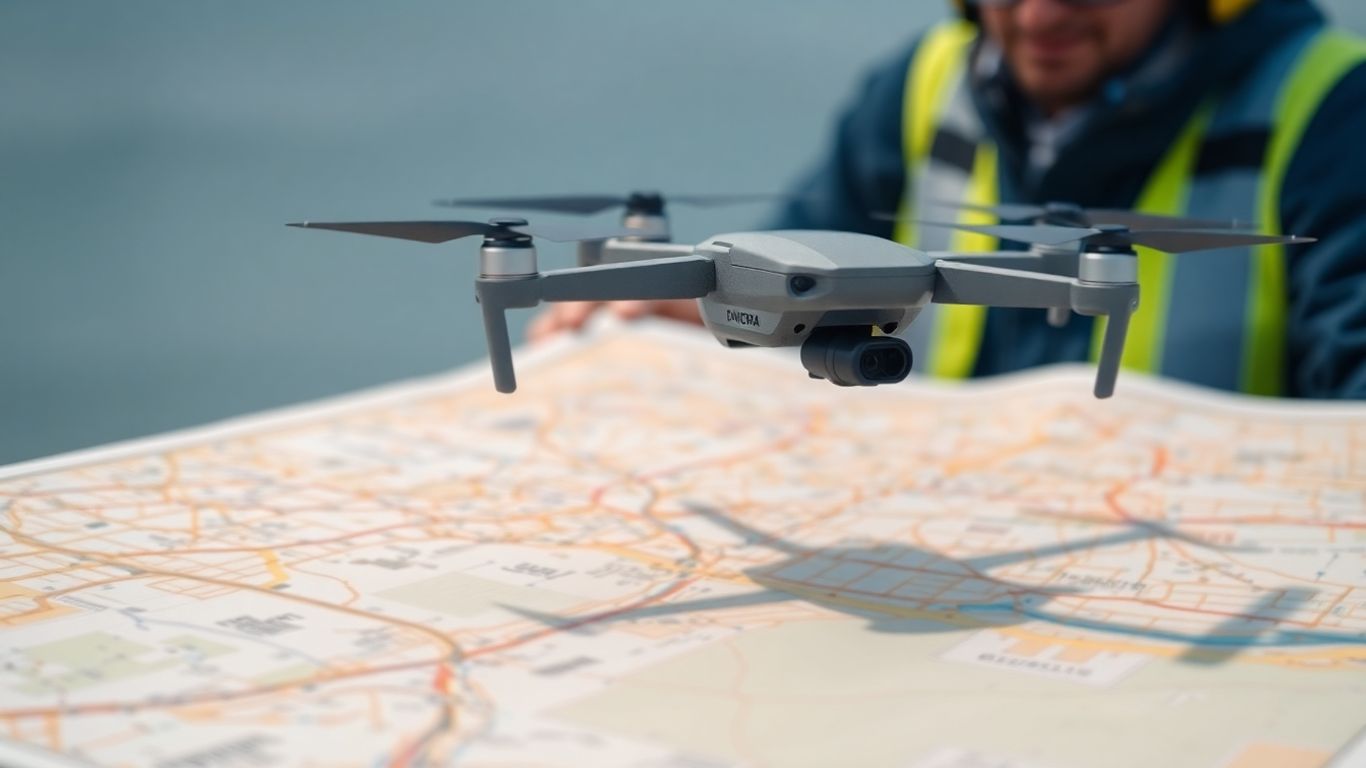
Okay, so you’ve got your drone service packages all mapped out. That’s awesome! But before you start buzzing around delivering packages, we absolutely have to talk about the rules and staying safe. It might not sound as exciting as picking out new drone models, but trust me, getting this right is super important. Messing this up can lead to big fines, grounded drones, or worse. We want your business to fly, not crash and burn because of paperwork or an accident.
Understand Aviation Laws and Local Ordinances
This is where things can get a little tricky. Every place has its own set of rules for flying drones, especially for commercial use. You’ve got federal aviation rules, state laws, and even local city or county ordinances. They all might have different ideas about where, when, and how high you can fly. Some areas might have no-fly zones around airports or government buildings. Others might have specific rules about flying over people or at night. It’s your job to know these rules inside and out for every area you plan to operate in. Ignoring them is like driving 100 mph in a school zone – not a good idea.
- Federal Aviation Administration (FAA) Regulations: These are the big ones that apply nationwide. You’ll need to understand things like remote pilot certificates and aircraft registration.
- State Laws: Many states have their own laws regarding drone operations, privacy, and data collection.
- Local Ordinances: Cities and towns can have their own rules, often related to noise, privacy, or where drones can take off and land.
You’ll want to do your homework here. Check the FAA’s website, your state’s department of transportation, and your local government’s official sites. Sometimes, you might even need to talk to local law enforcement or planning departments to get the full picture.
Obtain Necessary Licenses and Certifications
Just like you need a driver’s license to drive a car, you’ll need specific licenses and certifications to operate a drone for business. The main one most commercial drone operators need is a Remote Pilot Certificate from the FAA (often called a Part 107 license). This shows you know the rules and can fly safely. Beyond that, depending on your specific services and location, you might need other permits or certifications. Think of these as your official ‘permission slips’ to operate.
- Remote Pilot Certificate (Part 107): Required for most commercial drone operations.
- Aircraft Registration: Your drones need to be registered with the FAA.
- State/Local Permits: Some areas might require additional permits for commercial drone use.
Don’t forget about insurance! You’ll want liability insurance to cover any unexpected accidents or damages. It’s a safety net for your business and your clients.
Implement Comprehensive Safety Training Programs
Having licensed pilots is great, but ongoing training is where you really build a culture of safety. Your team needs to be up-to-date on best practices, emergency procedures, and how to handle different weather conditions. Regular training sessions, drills, and refreshers are key. This isn’t just about following rules; it’s about protecting your pilots, your equipment, and the public. A well-trained team is a safer team, and that leads to a more reliable service.
- Pre-flight checks: Standardized checklists for every flight.
- Emergency procedures: What to do if something goes wrong mid-flight.
- Weather monitoring: Understanding how to assess and react to changing weather.
- Ongoing education: Keeping up with new regulations and technology.
Building Operational Efficiency
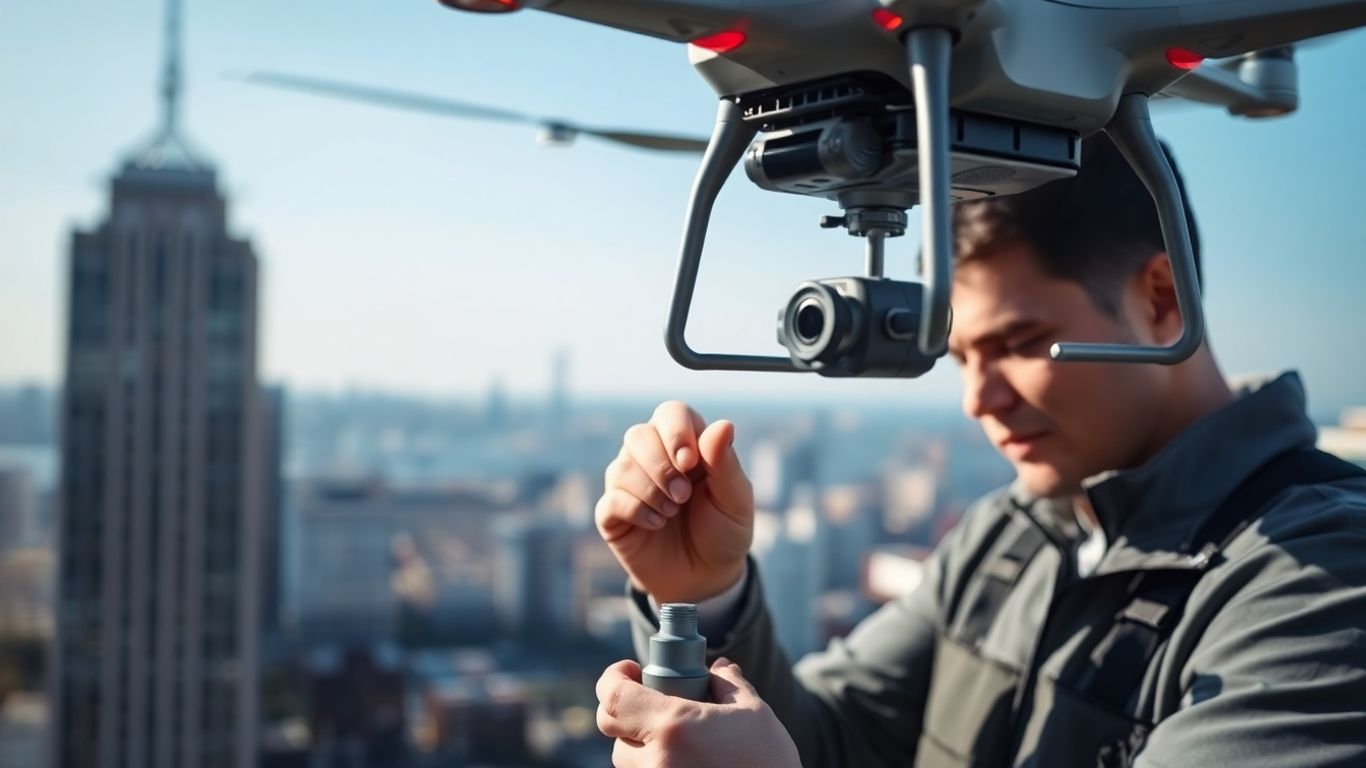
Running a drone service means more than just flying. You’ve got to make sure everything behind the scenes runs smoothly. This means planning your flights, handling orders, and keeping your gear in good shape. It’s about making your business work like a well-oiled machine, so you can focus on growing and serving your customers better.
Optimize Flight Planning and Route Management
Smart flight planning is key to saving time and resources. Think about the best way to get from point A to point B, considering things like weather, air traffic, and battery life. Good route management means fewer wasted trips and happier customers. You can use software to help map out the most efficient paths. This also helps you stay within your service area and manage your delivery radius effectively.
Here’s a quick look at what goes into good flight planning:
- Pre-flight Checks: Always check your drone and equipment before each flight. Make sure batteries are charged, propellers are secure, and the weather is safe.
- Route Optimization: Use mapping tools to find the quickest and safest routes. Factor in no-fly zones and potential obstacles.
- Battery Management: Plan your flights so you don’t run out of power. Know how long your batteries last and schedule charging or swaps.
- Contingency Planning: What if something goes wrong? Have a backup plan for unexpected issues like bad weather or equipment failure.
Efficient operations aren’t just about speed; they’re about reliability and safety. A well-planned flight is a safe flight, and that builds trust with your clients.
Establish Order Intake and Tracking Processes
How do customers place orders? How do you keep them updated? Having clear processes makes things easier for everyone. You need a system that can take orders, assign them to drones, and let customers know where their package is. This could be through a website form, an app, or even a simple email system. Tracking orders in real-time helps reduce customer questions and makes your service look professional.
Consider these steps for a solid order system:
- Order Capture: Set up an easy way for customers to submit their requests. This could be an online form or an integration with your website.
- Assignment: Have a system to assign orders to available drones and pilots based on location and job type.
- Real-time Tracking: Provide customers with updates on their order status, from pickup to delivery.
- Confirmation: Send notifications when the order is complete.
Plan for Drone Maintenance and Upkeep
Drones are machines, and like any machine, they need regular care. Keeping your drones in good working order means fewer breakdowns and longer service life. This includes cleaning, checking for wear and tear, and updating software. A maintenance schedule helps you stay on top of things before small problems become big ones. Think about setting aside time each week or month for these checks. It might seem like extra work, but it saves you headaches and money in the long run. Keeping your fleet updated with the latest technology can also help you stand out. Regular updates and maintenance keep your drones in top shape. New drone models can carry heavier loads or deliver faster. Stay informed on the latest releases and software updates. A modern fleet builds trust and shows you care about quality. Showcasing these updates in a blog post or news section can keep your audience engaged.
Marketing Your Drone Service Packages
So, you’ve got your drone service packages all figured out, from the basic fly-by to the premium aerial survey. That’s awesome. But here’s the thing: even the best service in the world won’t get you far if nobody knows about it. You’ve got to get the word out there, and that’s where marketing comes in. It’s not just about slapping up a flyer; it’s about building a connection with people who need what you do.
Develop a Strong Online Presence
Think of your website as your digital storefront. It’s probably the first place a potential client will look. You want it to be clean, easy to use, and show off what you can do. Don’t just list your services; tell a story. Use good photos and videos from your actual jobs. People want to see what your drones can actually do in real situations, not just fancy graphics.
- Website: Make sure it’s mobile-friendly. Most people will be looking at it on their phones. Include clear descriptions of your packages, pricing (if you’re comfortable sharing it upfront), and how to book your services. A simple contact form or an online booking system is a must.
- Social Media: Pick the platforms where your target customers hang out. For business clients, LinkedIn might be key. For more visual services, Instagram or even TikTok could work. Post regularly, but don’t just sell. Share interesting drone facts, behind-the-scenes looks at your operations, or even quick tips related to your industry.
- Local Listings: Get your business listed on Google Maps and other local directories. This helps people find you when they search for drone services in your area.
Showcase Real-World Operations and Testimonials
People trust what they see and what others say. Showing your drones in action is way more convincing than just talking about it. Videos of your drone capturing stunning aerial shots for a real estate listing, or a time-lapse of a construction site, speak volumes.
- Video Content: Create short, engaging videos. Think before-and-after comparisons, project highlights, or even short interviews with satisfied clients. High-quality footage is important, but authenticity often wins.
- Client Testimonials: Ask happy customers if they’d be willing to provide a quote or a short video testimonial. Feature these prominently on your website and social media. Real people vouching for your service builds trust faster than anything else.
- Case Studies: For more complex projects, put together a simple case study. Outline the problem the client had, how your drone service provided a solution, and the positive outcome. This shows potential clients you can handle their specific needs.
Building trust is a marathon, not a sprint. Consistently showing your capabilities and letting happy clients do some of the talking will go a long way in attracting new business. It’s about proving your worth, one successful job at a time.
Highlight Unique Selling Propositions
What makes your drone service stand out from the crowd? Maybe you specialize in a particular industry, offer faster turnaround times, or have a unique piece of equipment. Whatever it is, make sure people know about it.
- Specialization: If you’re the go-to for agricultural drone surveys or cinematic aerial photography, shout it from the rooftops. Focusing on a niche can make you the obvious choice for those specific needs.
- Speed and Efficiency: Can you get a drone up in the air and deliver data faster than anyone else? Highlight that. Time is money for many businesses, so efficiency is a big draw.
- Customer Service: Sometimes, it’s the little things. Being responsive, easy to work with, and genuinely helpful can be a major differentiator. If your team is known for going the extra mile, make sure that’s part of your marketing message.
Wrapping It Up
So, you’ve learned a lot about putting together drone service packages. It’s not just about having the coolest flying machines; it’s about figuring out what people need and how your drones can help them. Remember to check all the local rules, get the right gear, and build a team you can count on. Don’t forget to think about how you’ll price things so it makes sense for you and your customers. Keep an eye on what’s new in the drone world and how other businesses are using them. By taking it step-by-step and staying flexible, you can build a drone service that really works. It takes some effort, sure, but seeing your business take off can be pretty rewarding.
Frequently Asked Questions
What exactly is a drone service package?
A drone service package is like a bundle of services you offer using drones. Imagine you want to get pictures taken from the sky for your business. A package might include the flight, taking the photos, and giving you the edited pictures. You can have different packages, like a basic one for simple needs and a premium one with extra features.
How do I figure out what services to offer with drones?
First, think about who might need drone help. Are they businesses that need pictures of their buildings? Or maybe farmers who need to check their crops? Once you know who your customers are, ask yourself what problems drones can solve for them. This will help you decide what services to put in your packages.
How much should I charge for my drone services?
To set a price, you need to know how much it costs you to run your business. This includes the cost of the drones, batteries, any software you use, and your time. Then, look at what other drone companies are charging. You want to be fair to your customers and still make money.
What kind of drones and equipment do I need?
The type of drone you need depends on the job. Some drones are small and good for taking pictures, while others are bigger and can carry heavier things. You’ll also need things like extra batteries, a way to charge them, and maybe software to help you plan flights and manage your drones.
Are there rules I need to follow when using drones for business?
Yes, there are definitely rules! You need to know the laws about flying drones, especially for business. This might mean getting special licenses or permits. Safety is super important, so you’ll also need to make sure you and anyone flying the drones know how to do it safely and follow all the rules.
How can I tell people about my drone services?
You need to get the word out! A good way is to have a website that shows what you can do. You can also share pictures and videos of your drone work. Telling stories about how you’ve helped other businesses and getting good reviews from customers can also help a lot.