How to build a drone service website in 1 day
Thinking about starting a drone service business online? It might seem like a big project, but you can actually get a pretty solid drone service website up and running in just a day. It takes some focus, sure, but with the right steps, you can have a professional-looking site that tells people what you do and how to hire you. We’ll go through how to get the basics sorted, figure out what you’re selling, and make sure people can actually find you online. Let’s get this drone service website built!
Key Takeaways
- Pick a website builder that’s easy to use, even if you don’t know code. This helps you get your drone service website online fast.
- Figure out exactly what drone services you’ll offer. Look at what other drone businesses are doing and who you want to work with.
- Give your business a name and a look that stands out. This makes your drone service website feel professional and memorable.
- Plan how people will find your drone service website. Think about social media and getting found on Google.
- Make sure you have the right gear, understand the rules, and get insurance before you start taking on clients.
Establishing Your Drone Service Website Foundation
Alright, so you want to get your drone service website up and running, like, yesterday. Building a solid online presence is super important, and honestly, it doesn’t have to take forever. Think of your website as your digital storefront – it needs to look good and work well, especially since it’s often the first thing potential clients see. Let’s break down how to get this foundation sorted quickly.
When you’re aiming for speed, a website builder is your best friend. Forget about learning to code from scratch; these platforms are designed for ease of use. They offer pre-made templates and drag-and-drop interfaces that let you assemble a professional-looking site without needing a degree in computer science. Some even have free plans to get you started, though you might want to upgrade for more features or a custom domain name later on. Look for builders that offer good customization options so your site can still reflect your brand’s personality. Many people find success using tools like Webflow for this reason.
Your website needs a place to live on the internet, and that’s where hosting comes in. Think of it like renting space for your digital storefront. You want a host that’s reliable, meaning your site stays online and loads quickly for visitors. Slow websites can really turn people off. For a drone service business, speed and uptime are key. You don’t want a client trying to reach you for an urgent job only to find your site is down. Consider looking into hosting providers that specialize in speed and offer good customer support in case you run into any technical hiccups.
Using a generic email address like ‘yourname@gmail.com’ just doesn’t cut it for a professional business. Setting up a custom email address, like ‘info@yourwebsitename.com’, makes a huge difference. It looks more credible and reinforces your brand. Most website builders or hosting packages will offer options to create these professional email accounts. It’s a small detail, but it adds a significant layer of legitimacy to your operation right from the start. It shows you’re serious about your business.
Getting these foundational elements right – a user-friendly website, reliable hosting, and professional email – sets the stage for everything else. It’s about making a good first impression and ensuring potential clients can easily find and interact with your business online.
Defining Your Drone Service Offerings
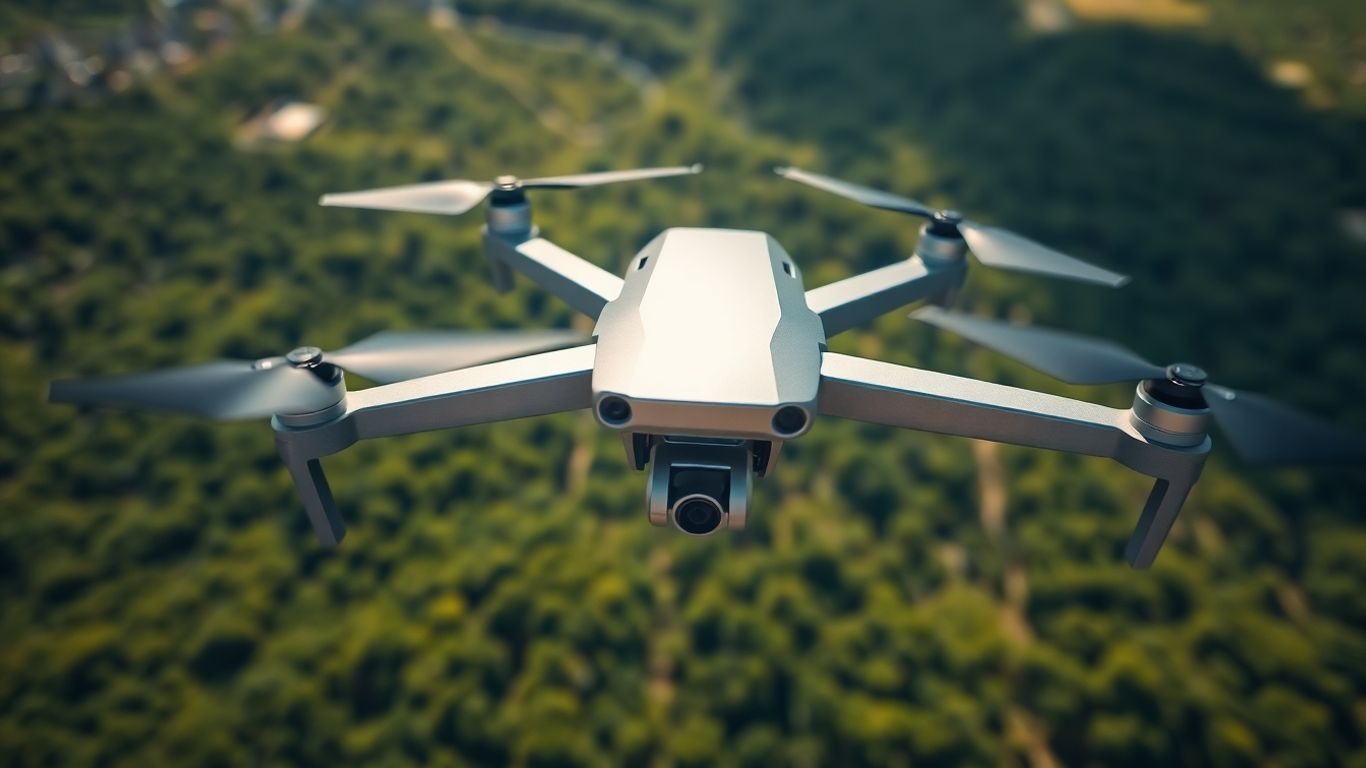
Alright, so you’ve got the drone, you’ve got the skills, but what exactly are you going to do with it all? This is where we figure out what services you’ll actually sell. It’s not just about flying; it’s about solving problems for people or businesses. You need to be clear about what you offer and who you’re offering it to.
Analyzing The Drone Market Landscape
Think about what people actually need drones for. It’s a pretty wide field these days. You’ve got folks wanting cool aerial shots for their real estate listings, construction companies needing to check on their sites without climbing scaffolding, or farmers wanting to see their crops from above. The market is growing, but it’s also getting crowded. You need to see what’s already out there and where there might be gaps. What are other drone operators doing? Are they all doing the same thing, or are some specializing?
Identifying Your Target Audience
Who are you trying to help? Are you aiming for big construction firms, small local businesses, individual homeowners, or maybe event planners? Knowing who you’re talking to makes a huge difference in how you market yourself and what services you emphasize. For example, a real estate agent needs different things than a farmer. You can’t be everything to everyone, so pick a few types of clients you want to work with.
Here are some common client types:
- Real Estate Agents & Developers
- Construction Companies
- Farmers & Agricultural Businesses
- Event Planners & Wedding Photographers
- Local Businesses (for marketing videos)
- Inspection Services (roofs, towers, etc.)
Developing Your Service Packages
Once you know what you’re good at and who you want to serve, you can start putting together actual service packages. Don’t just say "drone services." Be specific. What’s included? How long does it take? What do they get at the end?
Here’s a breakdown of common service types:
- Aerial Photography & Videography: This is the classic. Think stunning property shots, promotional videos for businesses, or capturing events from a unique perspective. You’ll want to offer different packages based on the number of photos, video length, and editing time.
- Mapping & Surveying: For construction, agriculture, or land management. This involves creating detailed maps or 3D models of an area. It requires specific software and a good understanding of data.
- Inspections: Using drones to check hard-to-reach places like roofs, cell towers, bridges, or power lines. This is a safety and cost-saving service for many industries.
- Security & Surveillance: Drones can monitor large areas for events, construction sites, or even private properties.
You need to think about what problems your drone services solve for your clients. Are you saving them time? Money? Are you providing them with information they couldn’t get otherwise? Focusing on the benefit to the client is key to making your services desirable.
For instance, a basic real estate package might include 20 high-resolution aerial photos and a 1-minute edited video. A more advanced package could add a 3-minute cinematic video with drone footage integrated into ground shots, plus a 3D virtual tour of the property. For inspections, you might offer a report detailing any issues found, complete with annotated photos and video clips.
Crafting Your Drone Business Brand
Your brand is more than just a name and a logo; it’s the whole feeling people get when they think about your drone services. It’s how you stand out from the crowd and why customers choose you. Building a strong brand identity from the start is super important, even if you’re trying to get your website up and running fast.
Selecting A Memorable Company Name
Picking a name for your drone business can feel like a big deal. You want something that’s easy to remember, hints at what you do, and ideally, isn’t already taken. Think about names that are short, catchy, and professional. Avoid anything too complicated or that might be confusing. It’s worth spending a little time brainstorming here to get it right.
Here are a few things to consider:
- Relevance: Does the name suggest drone services or aerial solutions?
- Memorability: Is it easy for people to recall and spell?
- Availability: Check if the name is available as a website domain and on social media.
- Uniqueness: Does it help you stand out from competitors?
Designing A Professional Logo
Your logo is often the first visual impression people have of your business. It needs to look good on your website, business cards, and any other marketing materials. You don’t necessarily need a fancy agency for this, especially when you’re in a hurry. There are plenty of online tools and freelance designers who can help create something clean and professional without breaking the bank.
Think about:
- Simplicity: A simple design is usually more recognizable and adaptable.
- Color Palette: Choose colors that reflect your brand’s personality – maybe blues for sky, greens for nature, or grays for technology.
- Scalability: Make sure it looks good whether it’s tiny on a favicon or large on a banner.
Developing Your Brand Messaging
What’s the story behind your drone business? Your brand messaging is how you communicate your value to potential clients. It’s about more than just listing your services; it’s about explaining the benefits and the unique approach you take. What problems do you solve for your customers? Why should they trust you with their aerial needs?
Your brand message should be clear, consistent, and speak directly to the needs of your target audience. It’s the voice of your business across all your communications, from your website copy to your social media posts.
Consider these points for your messaging:
- Your Unique Selling Proposition (USP): What makes you different and better than other drone service providers?
- Your Mission: What is the core purpose of your business?
- Your Tone: Are you formal and technical, or friendly and approachable?
- Your Target Audience: Speak in a way that connects with the people you want to serve.
Implementing Your Drone Service Marketing Strategy
So, you’ve got your drone services ready to go, but how do people actually find out about you? That’s where marketing comes in. It’s not just about having a great service; it’s about making sure the right people know you exist and why they should choose you. Think of it as telling your story to the world, but in a way that gets people to call you for a quote.
Leveraging Social Media For Visibility
Social media can be a goldmine for drone services, but you can’t just post random pictures. You need a plan. Figure out where your potential clients hang out online. Are they on LinkedIn looking for commercial real estate photography? Or maybe Instagram, where they might see stunning aerial shots of properties or events? Once you know that, start sharing your best work. Show off those high-resolution aerial photos, smooth video footage, or impressive mapping projects. Engage with people in relevant groups – offer helpful advice without being pushy. It’s about building a presence and showing you know your stuff.
- Identify your target platforms: Don’t try to be everywhere. Focus on 1-2 platforms where your ideal clients are most active.
- Showcase your best work: Post high-quality photos and videos that highlight the results you deliver.
- Engage with your audience: Respond to comments, join relevant groups, and offer helpful insights.
- Use relevant hashtags: Help people discover your content by using popular and niche hashtags related to drones and your services.
Optimizing For Search Engine Discovery
When someone needs a drone service, they’ll probably type something into Google. You want your business to pop up. This is where Search Engine Optimization (SEO) comes in. It’s about making your website and online content more attractive to search engines like Google. This means using the right words on your website – words that people actually search for when they need what you offer. Think about terms like ‘aerial photography for real estate,’ ‘drone inspection services,’ or ‘cinematic drone videography.’
Getting found online without paying for ads takes time and effort. It’s a marathon, not a sprint. Focus on creating useful content and making your website easy for both people and search engines to understand.
Here’s a quick look at what goes into SEO:
- Keyword Research: Figure out what terms potential clients are searching for.
- On-Page Optimization: Use those keywords naturally in your website’s text, titles, and descriptions.
- Content Creation: Regularly add new blog posts, case studies, or project highlights that use your keywords.
- Local SEO: If you serve a specific area, make sure your business is listed correctly on Google Maps and local directories.
Creating Compelling Ad Campaigns
Sometimes, you need to give your marketing a little boost. Paid advertising, like Google Ads or social media ads, can get your services in front of a lot of eyes, fast. The trick is to be smart about it. You don’t want to waste money showing ads to people who will never hire you. Define who you’re trying to reach very specifically – their location, their interests, their job title. Then, create ads that speak directly to their needs and offer a clear solution. A well-targeted ad campaign can bring in leads much quicker than organic methods alone.
| Ad Platform | Target Audience Example | Budget Consideration | Key Metric to Track |
|---|---|---|---|
| Google Ads | Businesses searching for ‘drone roof inspection’ | Varies (per click) | Click-Through Rate |
| Facebook/Instagram | Real estate agents interested in property marketing | Varies (per impression/click) | Conversion Rate |
| LinkedIn Ads | Construction project managers needing site surveys | Higher (per click) | Lead Quality |
Operationalizing Your Drone Service Business
Alright, so you’ve got your website looking sharp and your services defined. Now comes the nitty-gritty: making sure your drone business actually runs smoothly. This isn’t just about having a cool drone; it’s about having the right gear, understanding the rules, and protecting yourself.
Essential Equipment For Drone Operations
Think of your drone as just one piece of the puzzle. You’ll need more than just the aircraft itself to get the job done right. Here’s a quick rundown of what you should have on hand:
- The Drone: Obviously. Make sure it’s suited for the kind of work you’ll be doing – whether that’s high-res photography, mapping, or inspections.
- Batteries and Chargers: You can never have too many. Downtime waiting for batteries to charge is lost money. Aim for at least 3-4 fully charged batteries per drone.
- Controller and Tablet/Monitor: For flying and viewing your feed. A bright screen is a lifesaver on sunny days.
- Propellers: Always have spares. Things happen, and a broken prop can ground you instantly.
- Carrying Case: Protect your investment during transport. A good case keeps everything organized and safe.
- Maintenance Tools: Basic tools for minor fixes and cleaning.
Don’t skimp on your equipment. Using reliable, well-maintained gear not only makes your job easier but also builds client trust. It’s better to invest upfront than deal with costly breakdowns or subpar results later.
Understanding Legal Considerations And Liabilities
This is where things can get a bit tricky, but it’s super important. Flying drones commercially isn’t like flying a toy. You’ve got regulations to follow, and you need to be aware of who could get hurt or what property could be damaged.
- FAA Regulations: In the US, the Federal Aviation Administration (FAA) has rules for commercial drone use. You’ll likely need a Remote Pilot Certificate (often called a Part 107 license). Make sure you’re up-to-date on airspace restrictions and flight rules.
- Local Laws: Beyond federal rules, cities and states might have their own ordinances about drone operation. Always check what’s allowed in the specific areas you plan to fly.
- Privacy Concerns: Be mindful of people’s privacy. Avoid flying over private property without permission or capturing footage of individuals without their consent.
Securing Adequate Drone Insurance
Even with the best flying skills and adherence to regulations, accidents can still happen. This is why having the right insurance is non-negotiable. It protects you, your equipment, and your business from potentially devastating financial losses.
- Liability Insurance: This is the big one. It covers third-party bodily injury or property damage caused by your drone operations. If your drone accidentally hits a car or causes someone to get hurt, this insurance is what steps in.
- Hull Insurance: This covers damage to your actual drone. If your drone crashes, gets stolen, or is damaged in transit, hull insurance can help pay for repairs or replacement.
- Payload Insurance: If you’re carrying specific equipment (like expensive cameras for aerial photography), you might need separate coverage for that payload.
Getting proper insurance is a critical step in launching your drone service, providing peace of mind and a safety net for unforeseen events. It’s a cost of doing business that you absolutely cannot afford to skip. You can explore options for drone business insurance to get a better idea of what’s available.
Pricing Your Drone Services Competitively
Figuring out how much to charge for your drone services can feel like a puzzle, right? You want to make sure you’re getting paid fairly for your time and skills, but you also don’t want to scare potential clients away with prices that are too high. It’s a balancing act. The goal is to set rates that reflect the value you bring while staying in line with what others in the industry are charging.
Researching Competitor Rates
Before you even think about your own prices, you’ve got to do your homework. See what other drone service providers in your area, or those offering similar services, are charging. This isn’t about copying them, but understanding the general market. Look at their websites, check out their service packages, and see if they list their rates or offer quotes. Sometimes, you might find that certain drone services, like roof inspections, have a lower barrier to entry and thus more competitive pricing. Other areas, like complex infrastructure inspections, might command higher rates due to the specialized skills and equipment involved.
Developing a Sustainable Pricing Strategy
Once you have a feel for the market, it’s time to build your own pricing structure. Think about all your costs: equipment, insurance, software subscriptions, travel, and your own time. You don’t want to end up losing money! Consider different ways to charge:
- Hourly Rates: Good for projects where the time is unpredictable.
- Project-Based Fees: Best for clearly defined tasks where you can estimate the work involved.
- Retainer Agreements: Ideal for clients who need ongoing drone services, like regular property photography or site monitoring.
It’s also smart to think about offering tiered packages. This way, clients can choose a service level that fits their budget and needs. Maybe a basic package includes just the raw footage, while a premium one includes editing and a full report.
Offering Flexible Service Packages
People need different things, so having a one-size-fits-all approach probably won’t work. Think about creating a few distinct service packages. For example, if you do real estate photography, you could have a package for a small condo, a larger one for a family home, and an even bigger one for commercial properties. Each package would include different deliverables and be priced accordingly. This flexibility makes it easier for clients to find what they’re looking for and feel like they’re getting a good deal. Remember, clear communication about what’s included in each package is key to avoiding misunderstandings later on. You might even consider offering add-ons for extra services, like advanced video editing or detailed data analysis, allowing clients to customize their chosen package further. This approach can help you capture a wider range of clients and projects, from simple aerial shots to more involved drone mapping and surveying tasks.
Setting your prices is an ongoing process. As you gain more experience and your business grows, you’ll likely need to adjust your rates. Don’t be afraid to re-evaluate your pricing strategy periodically to make sure it still makes sense for your business and your clients.
Wrapping it Up
So, you’ve managed to get a drone service website up and running, maybe even in just a day. That’s pretty cool. Remember, this is just the start. Building a business takes time and effort, but having that online presence is a big first step. Keep learning, keep improving your site, and most importantly, keep flying safely. Good luck out there!
Frequently Asked Questions
What’s the quickest way to get a website for my drone business?
You can use a website builder! Many of them, like Webflow, let you create a professional-looking site fast, even if you don’t know how to code. Some are even free to start or have low monthly costs.
How do I figure out what services to offer with my drone?
Look at what other drone businesses are doing and see what people in your area need. Think about what makes your service special and create packages that fit what customers are looking for.
What’s important for my drone business’s brand?
Your brand is how people see your business. Pick a catchy name, create a cool logo, and decide on a message that tells people what you’re all about. This helps you stand out!
How can I get people to know about my drone services?
Use social media to show off your cool drone photos and videos. Also, make sure your website shows up when people search online for drone services. Running ads can also help get the word out.
What gear do I absolutely need to start flying for clients?
You’ll need a reliable professional drone, of course! Also, consider good cameras for capturing high-quality footage. Think about what specific jobs you’ll do and get the equipment that fits those needs.
How much should I charge for my drone services?
Check what other drone companies charge in your area. Then, set your prices based on your costs, the value you bring, and what the market can handle. Offering different package options can also be smart.