Find the Best Drones for Sale: A Comprehensive Buyer’s Guide
Looking for drones for sale? It can feel a bit overwhelming with all the options out there. Whether you’re just starting out or looking to upgrade your gear, finding the right drone makes all the difference. This guide is here to help you sort through the noise and find a drone that fits what you need. We’ve looked at a bunch of them to give you a clearer picture.
Key Takeaways
- For a great balance of features and price, the DJI Air 3S is a solid choice with good cameras and obstacle avoidance.
- If you need top-tier camera quality and longer flight times, the DJI Mavic 3 Pro is worth considering, though it costs more.
- The Autel Robotics Evo Lite+ is a good alternative if you’re looking for something other than DJI, offering a capable camera.
- For portability and ease of use, especially if you want to avoid FAA registration, the DJI Mini 4 Pro is a strong contender.
- Budget-conscious buyers might find the Potensic Atom a decent option, but be aware of its limitations in certain lighting.
1. DJI Air 3S
When you’re looking for a drone that balances performance with portability, the DJI Air 3S really stands out. It’s a solid choice for anyone wanting to step up their aerial photography game without breaking the bank. You get a really versatile twin-lens camera system here, which is pretty neat. It lets you capture both wide shots and telephoto images, giving you more options for framing your scenes.
The video quality is seriously impressive, with the ability to shoot in 4K at 60 frames per second and using 10-bit color. This means you get footage that’s not only smooth but also packed with detail and color information, making it easier to edit later. You’ll find it handles windy conditions quite well, staying stable even when you’re flying higher up. Plus, the battery life is generous, often giving you up to 45 minutes of flight time, which is plenty for most shooting sessions.
Here’s a quick look at some of its key features:
- Dual Camera System: A 24mm wide-angle lens with a 1-inch sensor and a 70mm telephoto lens with a 1/1.3-inch sensor.
- Flight Time: Up to 45 minutes on a single charge.
- Internal Storage: 42 GB, though a microSD card is recommended for extensive use.
- Obstacle Sensing: 360-degree sensing for safer flights.
- Transmission System: OcuSync O4 for a strong, reliable connection.
The DJI Air 3S is designed to be user-friendly, even with its advanced features. The obstacle avoidance system is a big plus, giving you more confidence when you’re flying, especially in busy areas. It’s also quite compact when folded, making it easy to pack in your bag for trips. You can fly it quite far, up to 12 miles, which is great for exploring or getting those distant shots. If you’re looking for a drone that offers a lot of capability without being overly complicated, the DJI Air 3 is definitely worth considering.
2. DJI Mavic 3 Pro
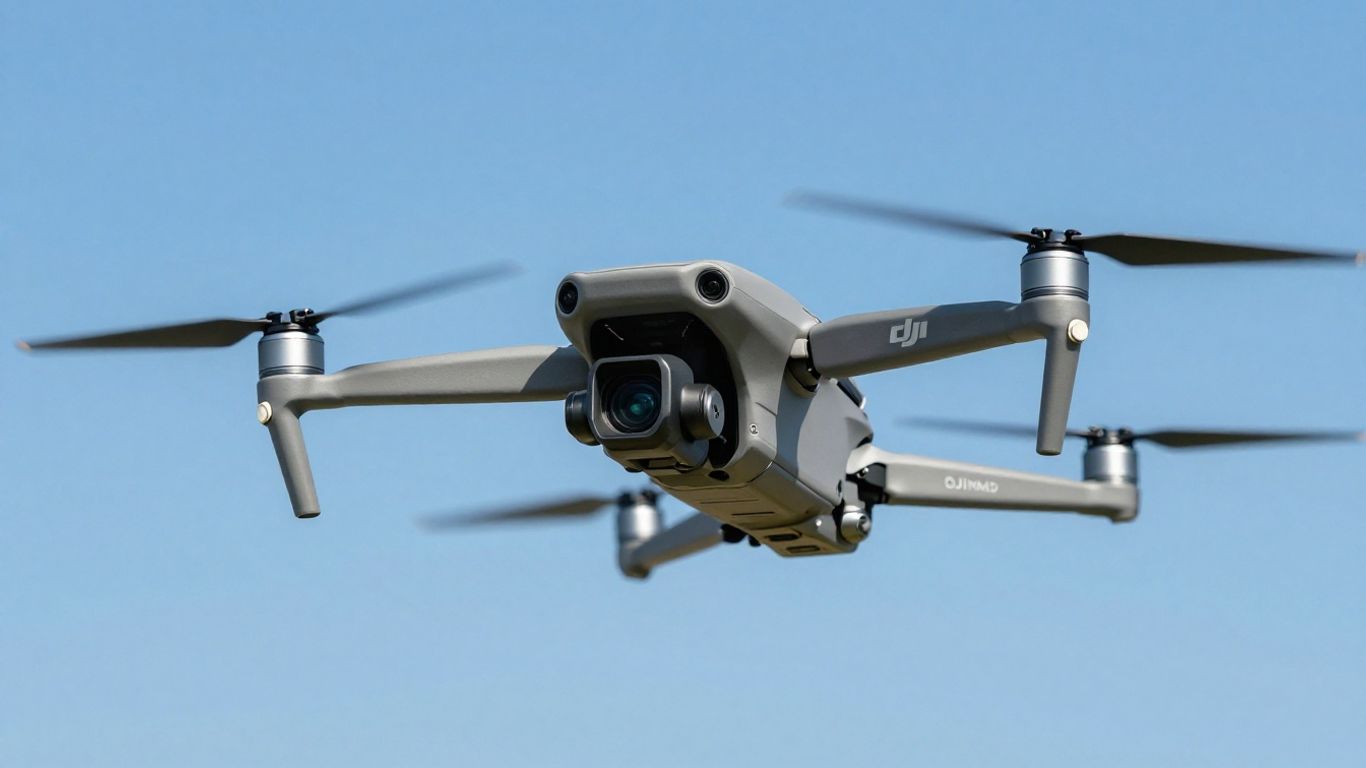
If you’re looking for a drone that really steps up the camera game, the DJI Mavic 3 Pro is a serious contender. It packs a triple-camera system, which is pretty neat. You get a main wide-angle camera with a big Four Thirds sensor, which is great for low light and makes colors pop. Then there are two telephoto lenses – one medium and one longer one – for getting closer shots without moving the drone. This setup gives you a lot of flexibility for different kinds of photos and videos.
The Mavic 3 Pro’s ability to capture stunning aerial footage with its advanced camera system makes it a top choice for serious hobbyists and professionals alike.
When you’re flying, the omnidirectional obstacle sensing is a big help. It really does a good job of spotting things around the drone, and it will stop itself if you get too close to something. The controller and the app give you clear warnings, so you can steer clear of trouble, even in tricky spots. It feels pretty solid when you’re flying it, responding well to your commands, even in Sport mode.
Here’s a quick look at what you get with the cameras:
- Main Camera: Large Four Thirds sensor, Hasselblad wide-angle lens. Shoots 5.1K video up to 50fps.
- Medium Telephoto: 70mm equivalent, f/2.8 aperture. Good for portraits or getting a bit closer.
- Longer Telephoto: 166mm equivalent, f/3.4 aperture. Ideal for distant subjects.
Battery life is also a strong point. You’re looking at around 43 minutes of flight time on a single charge, which is plenty for most shooting sessions. This drone is a bit bigger than some others, weighing about 2 pounds, but it’s still manageable to take with you. It’s definitely an investment, costing a good chunk of change, but the quality and the options it gives you might make it worth it if you plan to use those advanced features a lot.
While the Mavic 3 Pro is a significant step up in camera technology and flight capabilities, its price point places it firmly in the prosumer or professional category. You’re paying for that advanced imaging system and the versatility it brings, which might be overkill if you’re just looking for casual aerial shots. Consider your budget and how much you’ll truly utilize the multi-camera setup before making the leap.
3. Autel Robotics Evo Lite+
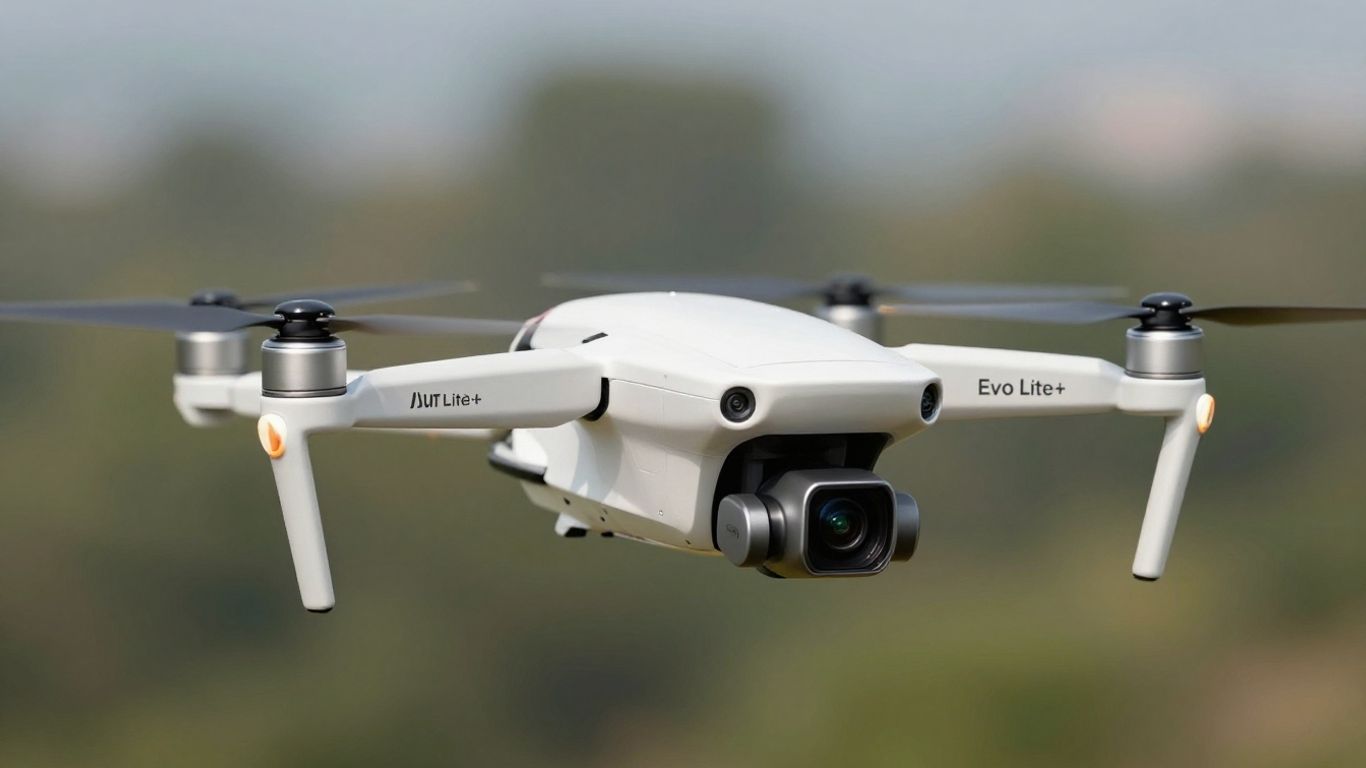
If you’re looking to step away from the DJI ecosystem or are specifically after a 6K camera, the Autel Robotics Evo Lite+ is a solid choice. It’s pretty straightforward to get flying, and Autel’s Sky app offers a good selection of automated flight modes, making it accessible even if you’re not a seasoned pilot.
The Evo Lite+ packs a 6K, 20-megapixel camera with a 1-inch sensor, giving you a slight edge in resolution over some competitors. While we found the DJI drones captured colors with a bit more pop, the Evo Lite+ still produces good results. You get about 40 minutes of flight time, which is decent and should be enough for most shooting scenarios. For those who plan to push the drone’s 7.4-mile transmission range, that full flight time becomes quite useful.
When it comes to safety, the Evo Lite+ has sensors covering the front, back, and bottom, helping you avoid obstacles. We tested it, and it was good at spotting things like chain-link fences. The controller is also quite comfortable to use, with a phone mount that positions your screen above the controller, making it easier to keep an eye on your drone without craning your neck too much. Plus, it’s noticeably quieter than some other drones out there, which is a nice bonus if you want to be less conspicuous.
Here’s a quick look at some of its features:
- Camera: 6K resolution, 20MP, 1-inch sensor
- Flight Time: Up to 40 minutes
- Transmission Range: Up to 7.4 miles
- Obstacle Sensing: Front, Back, Bottom
- Controller: Ergonomic design with top-mounted phone clamp
While the Evo Lite+ offers a compelling package, especially with its 6K camera, it’s worth noting that its intelligent flight features might not be as refined as some of the top-tier options. You might find yourself relying on manual control more often for complex maneuvers.
When comparing drone brands, it’s interesting to see how companies like Autel are gaining market share against established players. They often provide a strong balance of features and price.
4. DJI Mini 4 Pro
If you’re looking for a drone that’s super portable and doesn’t require registration, the DJI Mini 4 Pro is a solid choice. It’s really small, weighing in under 250 grams, which is a big deal because it means you don’t have to deal with the FAA registration hassle for personal use. This makes it incredibly convenient for just grabbing and going.
This drone packs a punch for its size, offering features that rival much larger models. You get a camera that’s pretty close to what you’d find on our top pick, which is impressive for such a compact device. Plus, it has that 360-degree obstacle avoidance, similar to the bigger DJI Air 3S and Mavic 3 Pro. It’s a great way to get advanced safety features without the extra weight or registration requirements.
Here’s a quick look at what makes it stand out:
- Ultra-lightweight design: Weighs less than 250 grams, avoiding FAA registration.
- Advanced obstacle sensing: Offers 360-degree detection for safer flights.
- High-quality camera: Captures impressive images and video for its class.
- Extended flight time: Get more time in the air with its efficient battery.
While it’s a fantastic option, it does miss out on a couple of things compared to the Air 3S. You won’t get that extra telephoto lens, and it’s not quite as fast or as stable in windy conditions. The battery life is also a bit shorter than some of the pricier models. But for the price point and the convenience, it’s a really compelling package. You can often find great deals on DJI drones, making this an even more attractive option for beginners and experienced pilots alike.
The DJI Mini 4 Pro is designed for ease of use and portability. Its sub-250-gram weight is a major advantage, allowing you to fly without the need for registration in many cases. This makes it an ideal companion for spontaneous trips or when you just want to capture some aerial footage quickly.
When you’re out flying, keeping your drone within sight is key, and the Mini 4 Pro’s range is more than enough for you to see it before you’d ever reach the drone’s actual transmission limit. The DJI Fly app works smoothly, giving you a clear live feed and access to smart flight modes. It’s a good introduction to intelligent flight modes and makes flying feel intuitive.
5. Potensic Atom
If you’re just getting started with drones and don’t want to spend a fortune, the Potensic Atom is a pretty decent option to consider. It’s a small drone, weighing in under 250 grams, which is nice because you don’t have to worry about registering it with the FAA right away. It comes with a 4K camera and a three-axis gimbal, which helps keep your footage looking smooth, even if the drone is moving around a bit.
When you’re flying, you’ll notice it has some flight modes similar to what you find on DJI’s Mini series. This means you can do things like follow a subject or take some automated shots. It’s not quite as polished as the more expensive drones out there, but for the price, it gets the job done.
Here’s a quick look at what it offers:
- Camera: 4K video recording
- Gimbal: 3-axis stabilization
- Weight: Under 250 grams
- Flight Modes: Subject tracking, automated shots
- Controller: Comes with a screen remote controller, which is a nice touch for beginner hobbyists.
One thing to keep in mind is that while it shoots 4K, it only does so at 30 frames per second. Also, the camera has a fixed aperture and no autofocus. This means that getting really sharp, clear shots in tricky lighting situations might be a bit harder compared to some other drones. You might find yourself spending a little more time editing your footage to get it just right.
While the Potensic Atom is a budget-friendly way to get into drone photography, its camera performance in varied lighting isn’t as strong as pricier alternatives. You’ll likely need to put in extra effort during post-production to achieve professional-looking results, especially if you’re shooting in less-than-ideal conditions.
Overall, if your main goal is to get a feel for flying and capture some basic aerial video without breaking the bank, the Potensic Atom is a solid starting point. It’s a good way to dip your toes into the world of drone photography before committing to a more advanced model. The included screen remote controller makes it easy to see what you’re doing right out of the box.
6. DJI Flip
If you’re someone who’s felt put off by complicated drones, the DJI Flip is a real game-changer. The Flip was designed to strip away a lot of the confusion that comes with flying a drone for the first time. Out of the box, it just feels less intimidating for beginners, and setup is almost as simple as charging the battery and downloading the app. The controls are minimal, but you still get smart flight options like auto-follow, quick shots, and tracking modes that help you create decent footage without stressful tweaking. In fact, if you’ve avoided drones because they seemed overwhelming, the Flip is the best low-pressure choice right now.
Here’s why the DJI Flip stands out:
- Sub-250-gram form factor keeps things ultra-light and means you probably don’t need to register it before flying.
- Fully enclosed propellers make flying near people or indoors safer than most folding drones.
- Shares the same 1/1.3-inch CMOS camera sensor as the Mini series—solid for the size and price.
- Focused on simplicity, with less clutter on the controller and in the app compared to its bigger siblings.
| Feature | DJI Flip |
|---|---|
| Weight | Under 250g |
| Camera Sensor | 1/1.3-inch CMOS |
| Propeller Design | Fully enclosed |
| Smart Flight Modes | Auto-follow, QuickShots, Tracking |
| Best For | Indoors, beginners, quick shoots |
Even though some of DJI’s other small drones do more, nothing else manages to balance safety, quality, and ease of use like the Flip. Sure, the Mini 4 Pro has a few extra bells and whistles, but for stress-free flying and a camera you won’t be embarrassed to use, Flip is the no-fuss winner.
If you’ve always wanted a drone but hated the learning curve, the DJI Flip’s simple design truly lowers the entry bar. You can finally get what you want without feeling like you’re piloting a spaceship.
7. DJI Air 2S
The DJI Air 2S is a solid choice if you’re looking for a drone that packs a punch without breaking the bank. It’s a pretty capable little flyer, especially for anyone interested in getting some decent aerial shots. You get a 20MP camera that can shoot in 5.4K, which is pretty sweet for the price point. It’s not going to compete with the absolute top-tier professional gear, but for most people, it’s more than enough to capture some really nice photos and videos.
One of the things you’ll appreciate is how easy it is to fly. DJI really makes their controllers user-friendly, and the Air 2S is no exception. It feels stable in the air, even if there’s a bit of wind, and the obstacle avoidance system is a nice safety net. It’s not perfect, mind you, but it definitely helps you avoid those unexpected bumps.
Here’s a quick look at some of its features:
- Camera: 20MP 1-inch CMOS sensor, 5.4K video at 30fps, 4K at 60fps
- Flight Time: Up to 31 minutes per battery
- Transmission Range: Up to 12 km (7.5 miles) with OcuSync 3.0
- Obstacle Sensing: Forward, backward, upward, and downward
While it might not have all the bells and whistles of the newer, more expensive models, the DJI Air 2S still holds its own. It’s a great drone for learning the ropes or for hobbyists who want good quality without a huge investment. You can often find good deals on this model, making it an even more attractive option for your first or second drone.
If you’re just starting out or want a reliable drone for travel, the Air 2S is definitely worth considering. It’s a good example of DJI’s commitment to making capable drones accessible. You can check out other great DJI options for aerial photography.
8. DJI Matrice 350
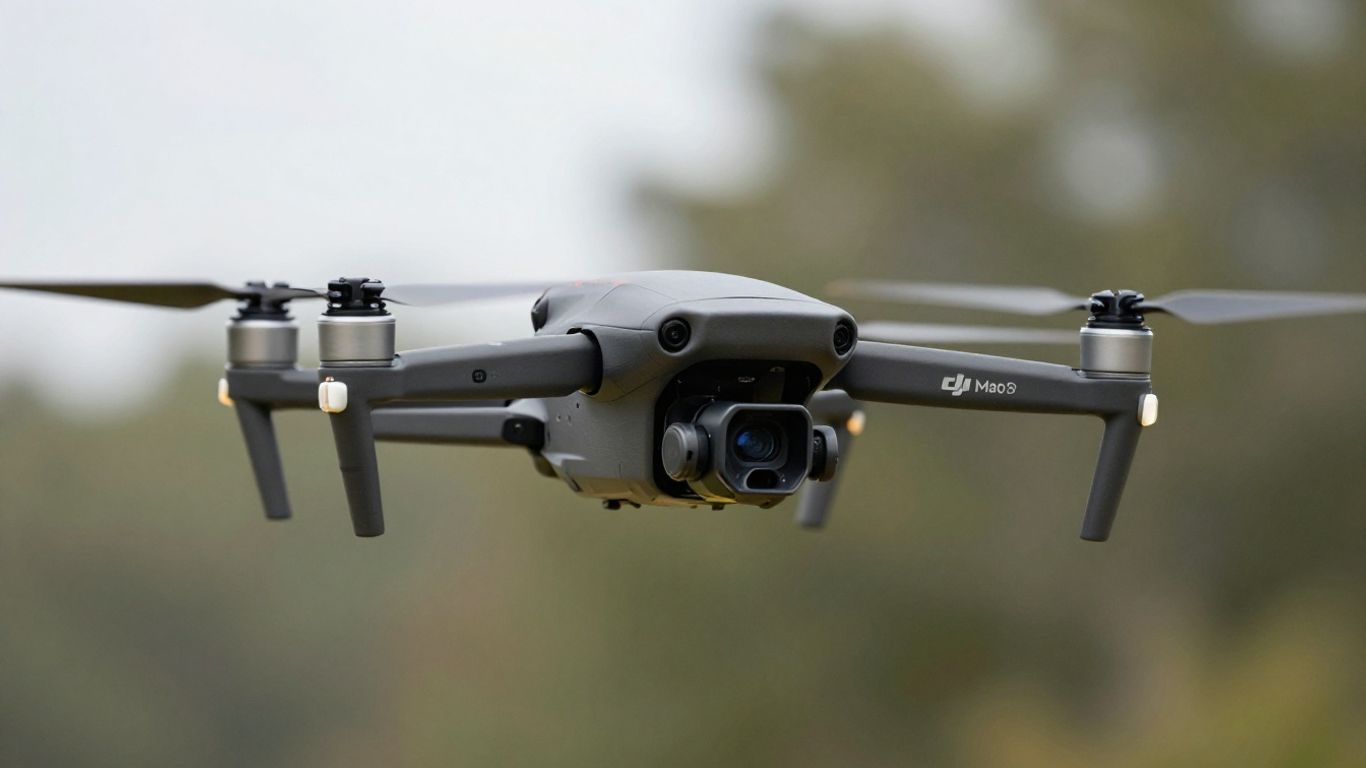
When you need a drone that’s built for serious work, the DJI Matrice 350 RTK steps up. This isn’t your average hobby drone; it’s designed for professionals who need accuracy and reliability, especially for tasks like surveying and mapping. Its centimeter-level positioning accuracy is a standout feature for precise data collection.
The Matrice 350 RTK is a beast when it comes to flight time, thanks to its TB65 dual battery system. You can expect around 43 minutes of air time, and the best part is you can hot-swap batteries, meaning you can keep flying without long downtimes. Plus, these batteries are built tough, rated for 400 cycles and even have a self-heating system for those really cold days, down to -20°C. This drone is ready for pretty much any environment you throw at it.
Here’s a quick look at what makes it tick:
- Advanced RTK Positioning: For incredibly precise location data.
- Extended Flight Time: Up to 55 minutes with the right setup.
- Payload Capacity: Can carry specialized sensors and equipment.
- Robust Transmission: The O3 Enterprise system offers stable, long-range video feeds.
When it comes to seeing what you’re doing, the Matrice 350 RTK can be equipped with the Zenmuse H20 camera system. This setup gives you a high-resolution zoom camera, a wide-angle camera, and even a laser rangefinder. It’s all about getting clear, detailed footage from a safe distance, which is super handy for inspections or monitoring large areas. You can find more details on enterprise drones like this for your business needs here.
The drone’s obstacle avoidance system is quite thorough, using binocular vision and infrared sensors all around the aircraft. This makes it much safer to operate in complex or tight spaces, reducing the risk of accidents and protecting your investment. It’s a big deal when you’re working on critical projects.
For professionals looking for a dependable platform for demanding aerial tasks, the DJI Matrice 350 RTK is definitely worth considering. It’s built for accuracy and endurance, making it a solid choice for serious professional applications.
9. JOUAV CW-30E
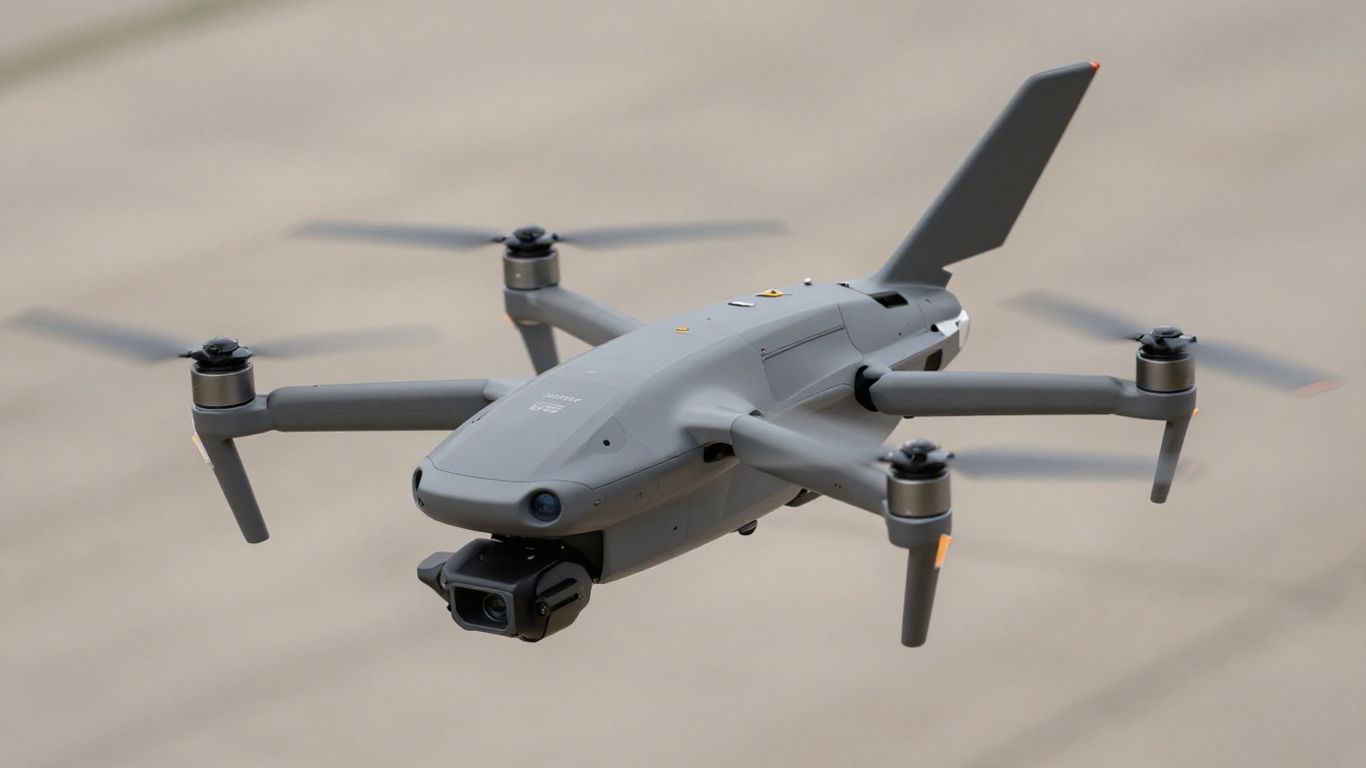
When you need to cover serious ground, like miles and miles of it, the JOUAV CW-30E comes into play. This drone is built for professionals who have tasks like inspecting far-off infrastructure, searching vast landscapes, or surveying huge swaths of land. It’s a heavy-lift drone, meaning it can carry a significant payload, up to 8kg, which is great for attaching specialized equipment.
One of the standout features is its impressive range. The standard version can reach up to 100km, and there’s an upgraded version that can go even further, up to 200km. This kind of distance is pretty remarkable and means you can cover a massive area on a single flight. The drone uses a 1.4GHz band for its communication, which is less crowded than the usual 2.4GHz or 5.8GHz bands. This helps it maintain a solid video feed and control even in areas with a lot of wireless interference, like busy urban environments.
The JOUAV CW-30E is a significant investment, but for users who absolutely require extensive flight distances and robust performance, it stands out as a top contender. Its specialized communication band and heavy-lift capability make it suitable for demanding professional applications.
Here’s a quick look at what makes it tick:
- Payload Capacity: Up to 8kg, allowing for various sensors and equipment.
- Communication: Utilizes a 1.4GHz band for better anti-interference and penetration.
- Flight Time: Can achieve up to 480 minutes (8 hours) of flight time, depending on payload and conditions.
- Range: Standard 100km, with an option for up to 200km.
- Takeoff/Landing: Capable of vertical takeoff and landing (VTOL), making it adaptable to different environments.
It’s not just about range, though. The CW-30E also boasts a dual-optical gimbal with a 30x zoom camera, perfect for spotting fine details from afar. Plus, it has an infrared camera, which is super useful for missions that happen in low light or at night. You can even use it for things like wildlife spotting or inspecting power lines. The AI-powered object tracking is a nice addition, though it’s not always perfect. If you’re looking for a drone that can truly go the distance and handle demanding professional tasks, the JOUAV CW-30E is definitely worth a look, especially if you need to cover large areas efficiently. You can find more details on professional surveying drones if you’re interested in other specialized models.
10. Autel Evo 2 Pro
The Autel Evo 2 Pro is a drone that really makes you think about what you need from your aerial camera. It’s not exactly a budget option, coming in around $2,194.25, so you’re definitely investing in a serious piece of kit.
When you get it out of the box, you’ll notice it feels pretty solid. It’s built to last, which is good because you’ll want to take it out in various conditions. The camera is a big selling point here. You get a 6K video resolution with a 20-megapixel sensor, which is pretty high-end. This means you can capture a lot of detail, and if you’re into editing, you’ll have plenty of room to work with your footage. It also has a 1-inch sensor, which is great for low-light performance. So, if you’re often flying at dusk or dawn, or in less-than-ideal lighting, this drone can handle it well.
Here’s a quick look at some of its specs:
- Camera: 6K video, 20MP stills, 1-inch sensor
- Flight Time: Up to 40 minutes
- Transmission Range: Up to 9 kilometers (5.5 miles)
- Obstacle Sensing: Front, back, and bottom
One of the standout features is its flight time. You can get up to 40 minutes in the air on a single battery, which is quite generous. This gives you a good amount of time to get the shots you need without feeling rushed. The transmission range is also pretty decent, advertised up to 9 kilometers. In real-world tests, it’s managed around 4,000 meters (2.5 miles) with reliable telemetry, even with some signal warnings. You might need to adjust the antenna angle sometimes, but it generally holds a connection well.
The Autel Evo 2 Pro is a drone that balances professional-grade camera capabilities with a robust build. While it’s a significant investment, its 6K camera and extended flight time make it a strong contender for those who need high-quality aerial footage and don’t want to be tethered to a DJI product.
When it comes to flying, it’s pretty straightforward. The Autel Sky app is well-designed and offers various autonomous flight modes, making it easier to capture complex shots. It also has obstacle avoidance sensors on the front, back, and bottom, which add a layer of safety. The controller is comfortable to hold, with a clamp that positions your phone above the controller, which I found to be a nice touch for keeping an eye on the screen. If you’re looking for a capable drone that isn’t from DJI, the Autel Evo Lite+ is definitely worth considering, and the Evo 2 Pro steps that up even further.
So, What Drone Are You Getting?
Alright, so you’ve made it through our guide. Hopefully, you’ve got a much clearer idea of what kind of drone fits what you want to do. Whether you’re aiming for epic aerial shots, need to check out some hard-to-reach spots for work, or just want to have some fun flying, there’s definitely a drone out there for you. Remember, it’s not just about the fanciest tech; it’s about finding the right tool for your specific needs and budget. Take your time, think about what’s most important, and get ready to see the world from a whole new angle. Happy flying!
Frequently Asked Questions
What’s the best drone to buy for taking pictures in 2026?
There isn’t one single ‘best’ drone for everyone. The perfect drone for you really depends on how much you want to spend, how much experience you have, and how good you want your photos to be. Drones like the DJI Air 3S are great choices for many people, offering good cameras and easy flying. If you want even better quality, something like the DJI Mavic 3 Pro might be a good step up. This guide is here to help you sort through the options and find what works for you.
Do I need to register my drone if I want to take photos?
In most places, if your drone weighs more than about 250 grams (which is less than a pound), you’ll need to register it with the government’s aviation authority before you fly it. It’s always a good idea to check the specific rules where you live, especially if you plan to fly in different countries. Ignoring these rules could lead to trouble.
What are the most important things to look for in a drone for photography?
When you’re picking a drone for photos, think about the camera’s quality – how clear are the pictures and videos? Also, consider how long the drone can fly on one battery, how steady it is when it’s windy, and if it has sensors to help avoid crashing. Being able to save photos in RAW format is also a plus, as it gives you more options when editing.
Are older drones still good for taking pictures?
Absolutely! Many drones that aren’t the newest models, like the DJI Air 2S or older Mavic versions, still take really great pictures. You might even find them at a better price if you look for used ones or deals. They can be a fantastic way to get started or to get a good drone without spending a fortune.
What’s a good drone for someone who’s just starting out?
For beginners, it’s best to start with a drone that’s light, easy to control, and has features that help prevent crashes. Drones that aren’t too complicated to fly and still produce nice-looking photos are ideal. Learning on a simpler drone first can help you get comfortable before you move on to more advanced models.
How far can these drones actually fly?
While the law says you need to keep your drone in sight at all times, some drones can fly surprisingly far from you before losing connection. This can be really handy for covering large areas or getting shots from a distance. However, always remember to fly responsibly and within the legal limits of where you are.