Drone licensing and FAA regulations explained
So, you’ve got a drone, or maybe you’re thinking about getting one. That’s awesome! But before you take to the skies, there are some rules you need to know. It’s not just about grabbing your drone and going. The Federal Aviation Administration, or FAA, has a whole set of regulations to keep things safe and orderly up there. This guide is going to break down what you need to know, especially about getting your FAA drone license if you plan to fly for work. We’ll cover the differences between flying for fun and flying for business, how to register your drone, and where you can legally fly. Let’s get started.
Key Takeaways
- Flying a drone for fun falls under different rules (44809) than flying for work, which requires a Part 107 license.
- To fly commercially, you’ll need to pass an FAA knowledge test and get your Remote Pilot Certificate, often called an FAA drone license.
- Recreational flyers need to pass the TRUST exam and register drones over 250 grams.
- All drones, regardless of weight, need to be registered for commercial use, and Remote ID is becoming a requirement for many.
- Always be aware of airspace restrictions and altitude limits, and get authorization when needed.
Understanding Drone Flight Regulations
So, you’ve got a drone, huh? That’s pretty cool. But before you take off and start zipping around like a movie star, there are some rules you absolutely need to know. The Federal Aviation Administration, or FAA, is the big boss when it comes to the sky in the United States. They set the guidelines for pretty much everything that flies, including your new drone. It’s not just about having fun; it’s about keeping the airspace safe for everyone, from commercial airlines to other drone pilots. Knowing these regulations is your first step to being a responsible drone operator.
Distinguishing Between Recreational and Commercial Flights
This is probably the most important thing to figure out first. Are you flying just for kicks, like taking cool aerial shots of your neighborhood or a park? That’s recreational. But if you’re using your drone for anything that even hints at a business purpose – like taking photos for a real estate listing, inspecting a roof for a client, or even volunteering for a non-profit to survey damage – that’s considered commercial. It’s not just about getting paid; the intent behind the flight matters a lot. If you’re ever unsure, it’s always safer to assume you need to follow the more stringent commercial rules.
The Role of the FAA in Drone Operations
The FAA is the government agency that oversees all air traffic in the U.S. They’re the ones who make the rules to ensure safety and order in the National Airspace System (NAS). For drones, this means they set the standards for pilot certification, drone registration, where you can fly, and what you can do. They’re not trying to stop you from flying; they just want to make sure it’s done safely and doesn’t interfere with other aircraft or people on the ground. Think of them as the ultimate air traffic controller for the entire country.
Key Differences Between Part 107 and 44809
This is where things get a bit more specific. The FAA has two main sets of rules that most drone pilots fall under. If you’re flying for any non-recreational purpose, you’ll be operating under what’s known as Part 107. This is the rulebook for commercial drone operations and has more requirements, including needing a Remote Pilot Certificate. On the other hand, if you’re flying purely for fun, you’ll likely be flying under Section 44809, which is often called the
Obtaining Your FAA Drone License
So, you want to fly a drone for something more than just a hobby? That means you’ll likely need to get yourself an FAA Remote Pilot Certificate, often called a Part 107 license. It sounds a bit official, and it is, but the process isn’t as complicated as you might think. The FAA wants to make sure everyone flying drones, especially for commercial purposes, knows the rules of the sky.
Requirements for a Part 107 Commercial Drone License
To be eligible for a Part 107 certificate, you’ve got to meet a few basic criteria. First off, you need to be at least 16 years old. You also have to be able to read, speak, write, and understand English. And, of course, you need to be in a physical and mental condition that allows you to safely operate a drone. It’s all about ensuring you can handle the responsibilities that come with flying.
The Aeronautical Knowledge Test
This is the big one. To get your Part 107 license, you’ll need to pass an aeronautical knowledge test. This isn’t a simple quiz; it covers a range of topics related to drone operations. You’ll be tested on things like:
- Regulations that apply to small unmanned aircraft systems (sUAS).
- Airspace classifications and operating requirements.
- Weather effects on drone performance.
- Loading and performance of small unmanned aircraft.
- Aeronautical decision-making and judgment.
- Radio communication procedures.
- Maintenance of small unmanned aircraft.
Most people find that studying for this test takes around 15-20 hours. There are plenty of resources out there, from online courses to study guides, to help you prepare. You’ll take this test at an FAA-approved testing center.
Applying for Your Remote Pilot Certificate
Once you’ve successfully passed the Aeronautical Knowledge Test, you’re almost there! The next step is to apply for your actual Remote Pilot Certificate. You’ll do this through the FAA’s Integrated Airman Certification and Rating Application (IACRA) system. After you complete the online application and validate your identity, you’ll receive a temporary certificate pretty quickly, usually within about 10 business days. Your official, permanent certificate will be mailed to you later, which can take several weeks. It’s important to remember that this certificate needs to be renewed every two years, and that renewal process involves taking another recurrent online training course.
Recreational Drone Pilot Requirements
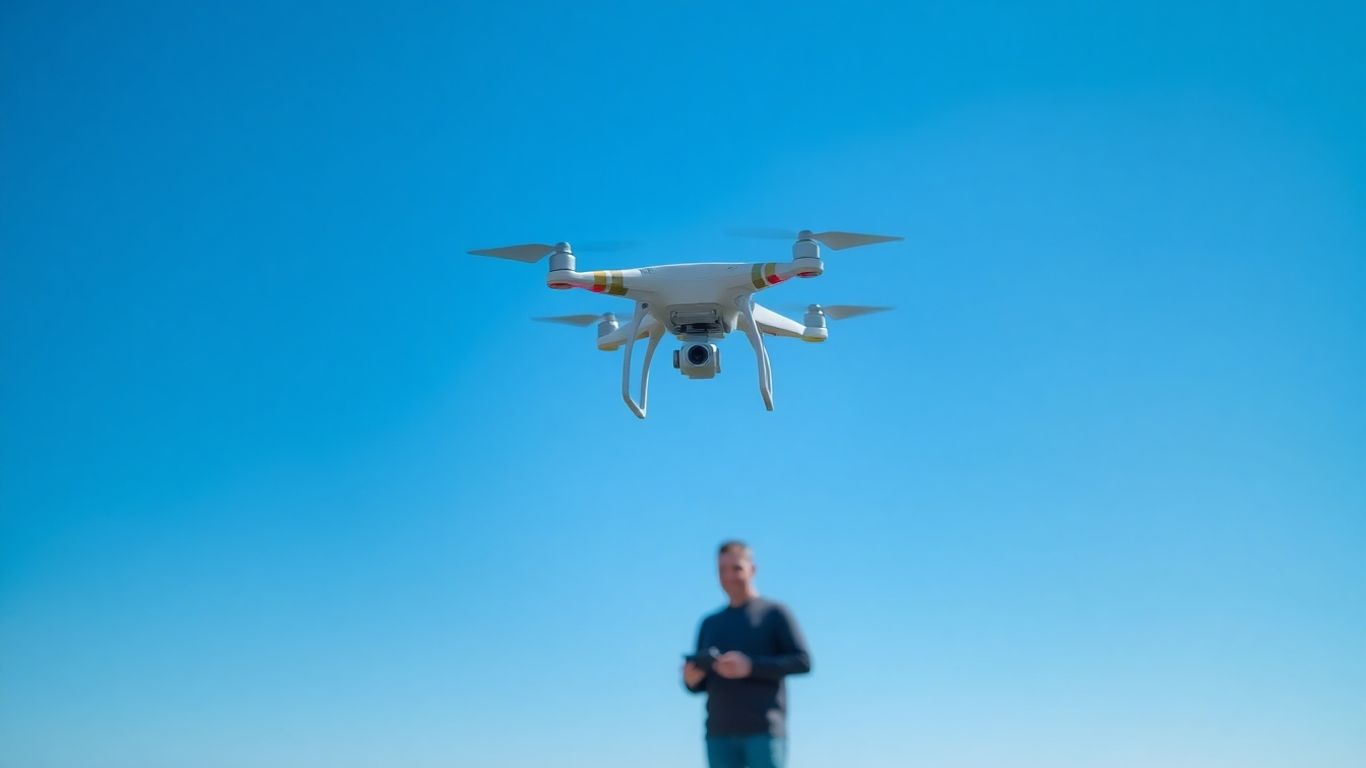
So, you’ve got a drone and you’re looking to fly it just for fun, right? That’s awesome! The FAA actually has a separate set of rules for folks like you, flying purely for recreation or as a hobby. It’s a bit different from the commercial side of things, and honestly, it’s a lot simpler to get started. You don’t need a full Part 107 license if you’re just flying for enjoyment. But, there are still some important things you need to know and do to keep things safe and legal.
The Recreational UAS Safety Test (TRUST)
First things first, you’ve got to take a test. It’s called The Recreational UAS Safety Test, or TRUST for short. It’s a free online test that covers the basics of drone safety. You’ll need to pass it and keep proof that you did. Think of it like getting your learner’s permit for drone flying. It’s not super hard, but it makes sure you know the fundamental rules before you take off.
Here’s what you generally need to do:
- Take the TRUST test online.
- Pass the test.
- Keep your TRUST certificate with you when you fly.
Drone Registration for Recreational Flyers
Yep, even for fun flying, you usually need to register your drone. If your drone weighs more than 0.55 pounds (that’s about 250 grams), you’ll need to register it with the FAA. You do this online through the FAADroneZone website. Once registered, you’ll get a number that you have to mark on your drone. It’s like giving your drone a license plate. This helps identify it if something goes wrong.
Adhering to Community-Based Organization Guidelines
This is a big one for recreational flyers. The FAA wants you to follow the safety guidelines set by an FAA-recognized Community-Based Organization (CBO). Think of organizations like the Academy of Model Aeronautics (AMA). These groups have established safety rules that help keep drone flying safe for everyone. So, make sure you’re aware of and follow the guidelines of a recognized CBO. It’s all about flying responsibly within a community framework.
Flying recreationally means you’re doing it purely for personal enjoyment. If you’re getting paid, even indirectly, or using your drone for anything that could be seen as work or business, you’re likely not flying recreationally anymore. Always err on the side of caution if you’re unsure.
Drone Registration and Identification
So, you’ve got a drone, and you’re ready to fly. That’s awesome! But before you take off, there are a couple of important things you need to sort out regarding registration and identification. It’s not just about having the coolest gadget; it’s about following the rules to keep the skies safe for everyone.
Registering Drones for Commercial Use
If you’re flying your drone for anything other than pure personal enjoyment – think taking photos for a real estate listing, inspecting a roof for a client, or even volunteering your drone services for a non-profit – you’re operating under Part 107 rules. This means your drone needs to be registered with the FAA, no matter how much it weighs. It’s a pretty straightforward process.
- Head over to the FAA’s DroneZone website. This is where all the official registration happens.
- Create an account. You’ll need to set up a profile if you don’t already have one.
- Select the option for flying under Part 107. This tells the FAA you’re a commercial operator.
- Pay the registration fee. It’s currently $5 and is good for three years. Keep your credit or debit card handy.
- Mark your drone. Once registered, you’ll get a unique number. You need to mark your drone with this number, usually on the outside. It helps if your drone ever gets lost or stolen.
Remember, even if you’re not getting paid directly, if the flight has a business purpose or could be seen as benefiting a business, it’s likely considered non-recreational and requires Part 107 compliance, including registration.
Registration Requirements for Recreational Drones
Flying for fun? Great! But there are still some registration rules to be aware of, especially if your drone has a bit of heft to it. If your drone weighs more than 0.55 pounds (that’s about 250 grams), you’ll need to register it with the FAA. This applies even if you’re just flying it around your backyard for kicks.
- The process is similar to commercial registration. You’ll use the FAA’s DroneZone.
- The fee is the same. It’s $5 for three years.
- You can register multiple drones. One registration number can be used for all your recreational drones, which is a nice perk.
- Don’t forget to mark your drone. Just like with commercial flights, you need to put that registration number on the outside of your drone.
Understanding Remote ID Broadcast Requirements
This is a newer requirement that’s pretty important. Starting September 16, 2023, most drones that require an FAA registration number also need to broadcast what’s called Remote ID information. Think of it like a digital license plate for your drone. This helps the FAA and law enforcement identify drones operating in the airspace.
- What is Remote ID? It’s a signal broadcast by the drone that contains identification and location information.
- Who needs it? Most registered drones, both commercial and recreational, will need to comply.
- Are there exceptions? Yes, you generally don’t need Remote ID if you’re flying inside a FAA-Recognized Identification Area (FRIA), which are typically designated areas for recreational flying.
- How does it work? Drones manufactured after September 16, 2023, will likely come with built-in Remote ID capabilities. Older drones might need a separate broadcast module.
It’s a bit of a technical topic, but the main takeaway is that if your drone needs registration, it probably also needs to broadcast Remote ID unless you’re flying in a specific FRIA. Always check the latest FAA guidance to make sure you’re compliant.
Navigating Airspace and Flight Restrictions
So, you’ve got your drone, and you’re ready to fly. But before you take off, it’s super important to know where you can and can’t fly. The sky isn’t exactly an open playground for drones. There are different zones, and understanding them is key to staying out of trouble and keeping things safe. Think of it like driving – you wouldn’t just zoom down any road without knowing the speed limits or if it’s a one-way street, right? Drones are similar.
Flying in Controlled vs. Uncontrolled Airspace
Basically, the airspace around us is divided into two main types: controlled and uncontrolled. Controlled airspace is usually around airports and busy flight paths. Uncontrolled airspace is pretty much everywhere else. The FAA manages all of this to keep manned aircraft and drones from bumping into each other.
- Controlled Airspace: This includes areas like Class B, C, D, and surface Class E. You’ll find these around airports. Flying here requires special permission.
- Uncontrolled Airspace: This is typically Class G airspace. It’s the most common type and generally easier to fly in, but there are still rules.
Obtaining Authorization for Controlled Airspace
Want to fly your drone near an airport or in other controlled airspace? You can’t just do it. You’ll need to get authorization from the FAA first. The easiest way to do this is usually through a system called LAANC (Low Altitude Authorization and Notification Capability). It’s a pretty straightforward process that gives you near real-time approval. You can also use the FAA’s DroneZone portal for more complex requests or if LAANC isn’t available for your specific location.
Flying in controlled airspace without proper authorization is a big no-no. It can lead to serious penalties, and more importantly, it’s incredibly dangerous. Always check before you fly.
Altitude Limits for Drone Operations
Altitude is another big one. For most recreational and commercial drone flights, there’s a general rule:
- In uncontrolled (Class G) airspace: You can fly up to 400 feet above the ground.
- In controlled airspace: You must fly at or below the altitude specified in your LAANC or DroneZone authorization. This is often lower than 400 feet.
There are some exceptions, especially for commercial pilots flying under Part 107 who might get waivers for specific situations, but for the average pilot, sticking to these limits is the safest bet. Always be aware of your surroundings and any temporary flight restrictions (TFRs) that might be in place, like around stadiums or during emergencies.
Ongoing Responsibilities for Drone Pilots
So, you’ve got your drone license and you’re ready to fly. That’s awesome! But here’s the thing: getting that certificate or passing that test isn’t the end of the story. Think of it like getting a driver’s license; you still have to follow the rules of the road, right? Drone piloting is pretty similar. There are a few things you need to keep in mind to stay legal and safe out there.
Maintaining Your Part 107 License
If you’re flying for commercial purposes, your Part 107 Remote Pilot Certificate isn’t a lifetime pass. It’s valid for two years. To keep it current, you’ll need to complete recurrent training and pass a knowledge test every 24 calendar months. This isn’t just busywork; it’s to make sure you’re up-to-date with any changes in regulations or airspace. Missing this deadline means your certificate expires, and you’ll have to go through the whole initial testing process again. Nobody wants that hassle.
Drone Registration Renewal
Remember registering your drone? Whether it’s for commercial use under Part 107 or for recreational flying if it weighs more than 0.55 pounds, that registration isn’t permanent either. Commercial drone registrations are good for three years. Recreational drone registrations also last for three years. You’ll get a notification from the FAA when it’s time to renew. It’s a pretty straightforward process, usually done online through the FAA DroneZone. Don’t let your registration lapse, as flying an unregistered drone can lead to some hefty fines.
Accident Reporting Procedures
Accidents happen, even with the most careful pilots. If you’re involved in an incident where your drone causes serious injury to any person or significant damage to property (other than the drone itself), you’ve got a reporting duty. You need to notify the FAA within 10 days of the occurrence. This usually involves filing a report through the FAA DroneZone. It’s important to be honest and thorough in your reporting. This isn’t about getting in trouble; it’s about helping the FAA understand what happened and how to prevent similar incidents in the future. Being prepared for these ongoing responsibilities is just as important as passing your initial test.
Here’s a quick rundown of what you need to remember:
- Part 107 Recurrent Training: Complete every 24 months to keep your commercial certificate valid.
- Registration Renewal: Mark your calendar for every three years for both commercial and recreational drone registrations.
- Accident Reporting: Report serious incidents involving injury or property damage to the FAA within 10 days.
Staying on top of these requirements shows you’re a responsible pilot. It’s not just about following the letter of the law, but about contributing to a safer airspace for everyone. Think of it as part of your commitment to the drone piloting community.
Wrapping Up Drone Flight Rules
So, there you have it. Flying a drone these days isn’t just about picking one up and taking off. The FAA has laid out some pretty clear guidelines, whether you’re just flying for kicks or doing it for a living. For the hobbyists, it’s mostly about passing a quick test called TRUST and keeping your drone registered if it’s a bit heavier. If you’re looking to make money with your drone, though, you’ll need that Part 107 license, which involves a more involved test and some extra steps. It might seem like a lot, but really, it’s all about keeping the skies safe for everyone. Just remember to check the rules before you fly, and you’ll be good to go.
Frequently Asked Questions
Do I need a license to fly a drone?
It depends on why you’re flying! If you’re flying just for fun, you don’t need a special license, but you do need to pass a short test called TRUST. If you’re flying for work, like taking pictures for a real estate company or doing inspections for a business, you’ll need to get a Part 107 license from the FAA.
What’s the difference between flying for fun and flying for work?
Flying for fun, or recreationally, means you’re just enjoying your drone as a hobby. Flying for work, or commercially, means you’re using your drone to make money or for business purposes, like filming a wedding or surveying land for a construction project. Even if you’re doing something for free that benefits a business or organization, it might still be considered commercial flying.
How do I get a Part 107 license for commercial drone flying?
To get your Part 107 license, you must be at least 16 years old. You’ll need to study for and pass a special test called the Aeronautical Knowledge Test at an FAA-approved center. After passing, you can apply online for your Remote Pilot Certificate. It costs money for the test and to register your drone.
What is the TRUST test for recreational flyers?
TRUST stands for The Recreational UAS Safety Test. It’s a free, quick test that recreational drone pilots must pass to show they understand basic safety rules for flying drones. You can take it online and should keep proof that you passed it with you when you fly.
Do I need to register my drone?
Yes, most drones need to be registered with the FAA. If you’re flying commercially under Part 107, you must register every drone you own, no matter how light it is. If you’re flying for fun and your drone weighs more than 0.55 pounds (about 250 grams), you also need to register it. Registration costs a small fee and lasts for three years.
What are the rules about flying my drone high up or near airports?
Generally, you need to keep your drone below 400 feet. If you want to fly in controlled airspace, like near airports, you must get special permission from the FAA beforehand. They have tools like the B4UFLY app and LAANC to help you figure out where you can fly and get authorizations.