DJI vs Skydio drones for inspections
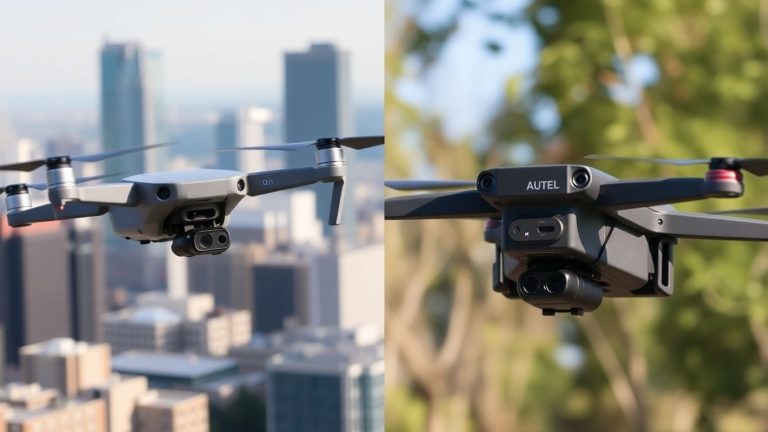
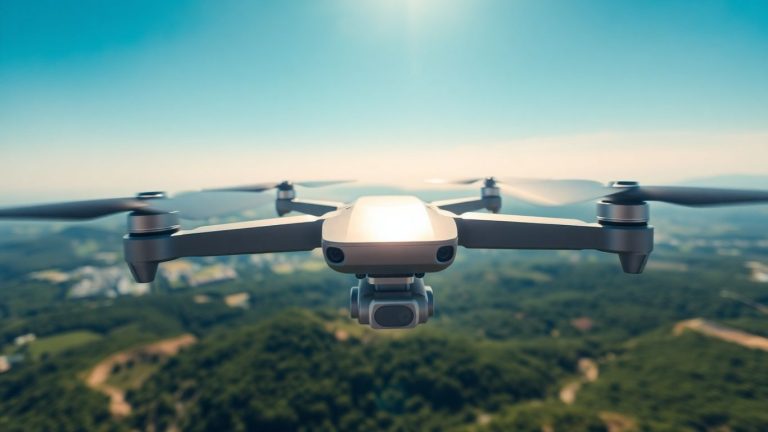
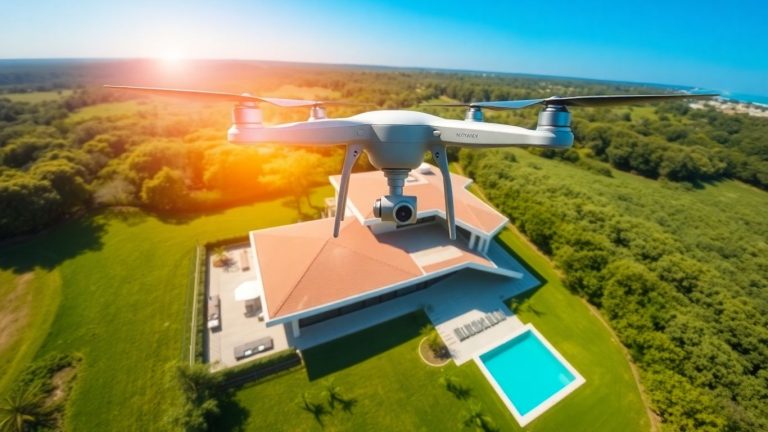
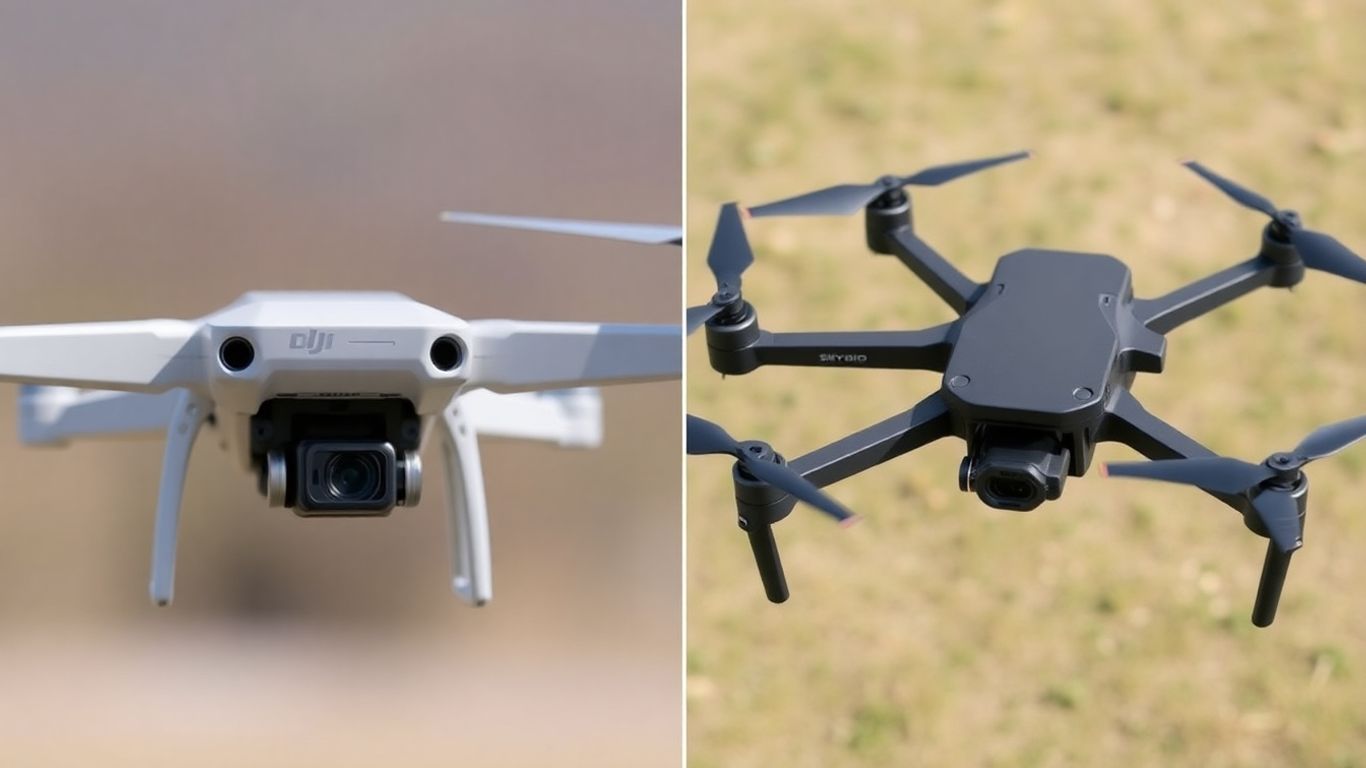
When it comes to picking a drone for inspections, it feels like you’re always looking at DJI or Skydio. They’re both big names, but they do things a bit differently. DJI has been around forever and has cameras that are just amazing for getting those crisp shots. Skydio, though, is all about the smart flying. Their drones can basically fly themselves, which is pretty wild for tricky jobs. So, what’s the deal for inspection work? Let’s break it down.
Key Takeaways
- Skydio inspection drones really shine when you need a drone to fly itself through complicated places, like around lots of pipes or inside structures, thanks to their advanced AI.
- DJI drones are often the go-to for inspections where getting the absolute best picture quality is the main goal, especially for visual checks.
- For tasks that require a drone to follow a subject or fly autonomously in challenging spots, Skydio’s tech is a big advantage.
- When you need a drone that’s easy to get and has a huge range of accessories and support, DJI usually has the edge due to its massive global presence.
- The choice between Skydio inspection drones and DJI often comes down to whether you prioritize hands-off autonomous flight for tricky maneuvers or top-tier camera performance for detailed visual data.
Skydio vs DJI: Core Strengths For Inspections
When you’re looking at drones for inspection work, it really boils down to what you need the drone to do. Skydio and DJI are the big names, and they both bring different things to the table. It’s not really about which one is ‘better’ overall, but which one fits your specific inspection job.
Skydio’s Autonomous Flight Capabilities
Skydio’s main selling point is its incredible ability to fly itself. Think of it like a really smart co-pilot that can see obstacles and figure out how to get around them without you having to do much. This is a huge deal for inspections, especially in places that are tricky to fly in, like around bridges, power lines, or inside complex structures. The drone uses a bunch of cameras and AI to map its surroundings in real-time. This means you can focus on what you’re inspecting, not on crashing the drone.
- AI-powered obstacle avoidance: The drone can see and avoid things like branches, wires, and buildings on its own.
- Hands-free operation: You can let the drone follow a subject or fly a pre-planned route while you concentrate on the inspection data.
- Real-time mapping: The drone builds a 3D map of its environment as it flies, which helps it navigate more safely and efficiently.
This level of autonomy means that even pilots who aren’t drone experts can perform complex flights safely. It opens up possibilities for detailed inspections in environments that would be too risky or difficult for manual piloting.
DJI’s Camera and Ecosystem Advantages
DJI has been in the game for a long time, and they’ve really nailed the camera side of things. If you need super high-quality photos and videos for your inspections, DJI often has the edge. Their cameras are top-notch, capturing crisp details that are important for spotting defects or documenting conditions. Plus, DJI has a massive ecosystem of accessories and software that work with their drones. This can make it easier to integrate them into your existing workflow or find compatible tools for data analysis.
- Superior image quality: DJI drones often feature advanced sensors and lenses for detailed visual inspections.
- Extensive accessory support: A wide range of compatible gimbals, lights, and other tools are available.
- Mature software integration: Many third-party software solutions are built to work with DJI platforms.
Navigating Complex Inspection Environments
When you’re inspecting something like a wind turbine or a tall building, the environment is rarely simple. There are lots of edges, corners, and potential hazards. Skydio’s strength here is its autonomous flight. It’s designed to handle these cluttered spaces without constant pilot input. DJI drones also have obstacle avoidance, but Skydio’s system is generally considered more advanced for truly autonomous navigation in these challenging areas. For inspections where the drone needs to get close to structures and maneuver in tight spots, Skydio’s autonomy is a significant advantage.
Autonomous Navigation: A Key Differentiator For Skydio Inspection Drones
When you’re out inspecting something tricky, like a bridge or a wind turbine, the last thing you want to worry about is crashing. That’s where Skydio really shines. They’ve built their drones around this idea of smart flying, almost like the drone is thinking for itself. It’s a big deal for inspections because these jobs often put you in tight spots with lots of things to avoid.
AI-Powered Obstacle Avoidance in Skydio Drones
Skydio drones use a bunch of cameras, like six of them, all around the drone. These aren’t for taking pretty pictures; they’re for seeing everything. The drone’s computer looks at what these cameras see and figures out how to get around anything in its way. This means you can fly it closer to structures or through cluttered areas without constantly having to steer it manually. It’s like having a co-pilot who’s really, really good at spotting trouble.
This advanced AI allows the drone to map its surroundings in real-time, making it incredibly stable and safe even when flying near complex objects. It’s designed to handle environments that would make most other drones nervous.
Hands-Free Flight for Detailed Inspections
Because the drone is so good at flying itself, you can focus on what you’re actually inspecting. Instead of wrestling with the controls, you can direct the drone to a specific spot and let it hold its position, or even follow a subject. This is super helpful for getting those close-up shots or detailed looks at specific parts of a structure. You can spend more time looking at the data and less time just trying to keep the drone in the air.
Skydio’s Real-Time Mapping and Navigation
What’s really neat is that Skydio drones can build a 3D map of the area as they fly. This isn’t just for avoiding obstacles; it helps the drone understand where it is and how to move precisely. For inspections, this means you can get consistent data from the same angles over time, which is important for tracking changes or damage. It makes the whole process more repeatable and reliable.
| Feature | Skydio X2 Enterprise | DJI Mavic 3 Enterprise |
|---|---|---|
| Obstacle Avoidance | 6x 4K Navigation Cams | Multiple Sensors |
| Real-Time Mapping | Yes | Limited |
| Autonomous Flight Focus | High | Moderate |
| Hands-Free Operation | High | Moderate |
Camera Technology and Data Capture
When you’re out inspecting things, the camera on your drone is pretty much your eyes in the sky. It’s not just about getting a pretty picture, though. The kind of camera and how it captures data can make or break an inspection. You’ve got two main players here, DJI and Skydio, and they approach this whole camera thing a bit differently, especially when it comes to inspections.
DJI’s Superior Imaging for Visual Inspections
DJI has a long history of making drones with really good cameras. For inspections where you just need to see what’s going on – like checking for cracks in a bridge or looking at the condition of a roof – DJI often has the edge. They pack high-resolution sensors into their drones, sometimes with big sensors like a 1-inch CMOS, which means you get really sharp, detailed images. This is super helpful because you can zoom in on the footage later and still see small issues without the picture getting all blurry. Plus, DJI has a whole ecosystem of accessories and software that work well with their cameras, making it easier to manage and process all that visual data.
- High-resolution sensors: Think 20MP or more, capturing fine details.
- Large sensor sizes: Like 1-inch CMOS, which is better in low light and produces sharper images.
- Advanced stabilization: Gimbal technology keeps footage smooth, even in windy conditions.
- Specialized camera options: Including thermal and multispectral sensors on some models.
For straightforward visual inspections, the clarity and detail provided by DJI’s camera systems are hard to beat. It’s like having a pair of high-powered binoculars attached to your drone.
Skydio’s Tactical Grade Imaging Solutions
Skydio’s focus is a bit different. While their cameras are good, their real strength lies in how they use that camera data to fly autonomously. Their drones use multiple cameras not just for the final inspection image, but also to constantly scan the environment and avoid obstacles. This means they can get closer to structures and capture detailed shots in really tight or tricky spots where you might not want to fly manually. The X2D, for example, has both visual and thermal cameras, giving you two types of data from a single flight. It’s less about having the absolute highest megapixel count and more about getting the right data safely and efficiently in challenging situations.
- Integrated obstacle avoidance: Cameras are used for flight, not just imaging.
- Close-proximity inspection: Safely get detailed views of complex structures.
- Dual-sensor capabilities: Often include both visual and thermal imaging.
- AI-driven data capture: Focuses on getting actionable data in difficult environments.
Balancing Image Quality with Autonomous Flight
So, how do you pick? It really comes down to what you need the drone to do. If your main job is getting the absolute best possible visual record of something from a safe distance, a DJI drone with a top-tier camera might be your best bet. You get incredible detail. But, if your inspection site is full of obstacles, like a busy industrial plant or a cluttered construction site, and you need the drone to fly itself safely while you focus on the details, Skydio’s approach makes a lot of sense. They’ve built their system so the cameras are key to the drone’s intelligence, allowing for hands-free operation in complex spaces. The choice often boils down to prioritizing raw image fidelity versus intelligent, autonomous data acquisition in challenging environments.
| Feature | DJI (Typical High-End) | Skydio (Typical) |
|---|---|---|
| Primary Focus | Image Quality | Autonomous Flight |
| Megapixels (Visual) | Up to 48MP+ | Up to 4K (per camera) |
| Obstacle Avoidance | Advanced | Superior (AI-driven) |
| Thermal Camera | Available (Add-on/Pro) | Often Integrated |
| Data Capture Style | Manual/Assisted Flight | Autonomous Flight |
Enterprise Focus and Specialized Models
When you’re looking at drones for serious work, like inspections, it’s not just about the fancy tech. You need to think about what the drone is actually built for and if it fits into your company’s workflow. Both Skydio and DJI have really leaned into this, creating specific models and solutions aimed at different industries. It’s not a one-size-fits-all situation anymore.
Skydio X10 for Public Safety and Industrial Inspections
Skydio has put a lot of effort into its X10 model, and it shows. This drone is pretty much built from the ground up for professionals who need top-tier performance in tough spots. Think first responders, utility companies, and infrastructure inspectors. It’s got this NVIDIA chip inside that helps it do some pretty advanced stuff in real-time, like scanning in 3D and seeing in the dark with its NightSense feature. The X10 is designed to handle complex, unpredictable environments where human pilots might struggle. It’s also built to work with other drones, which is neat for bigger jobs.
DJI’s Enterprise Solutions for Various Industries
DJI, being the giant it is, has a whole range of enterprise drones. They’ve got everything from the smaller, more agile ones to bigger, more powerful machines. They’ve really focused on making their cameras top-notch for visual inspections, which is a big deal if you’re looking for tiny cracks or defects. Plus, their ecosystem is huge – lots of accessories, software integrations, and a massive user base means you can usually find support and training pretty easily. They cater to a wide variety of fields, from agriculture to construction and film.
Choosing the Right Drone for Specific Inspection Tasks
So, how do you pick? It really comes down to what you’re inspecting and where. If your main concern is flying autonomously through tight spaces, around obstacles, and you need the drone to do a lot of the heavy lifting pilot-wise, Skydio’s focus on AI and autonomy, especially with the X10, is a strong contender. On the other hand, if your inspection relies heavily on capturing the absolute best visual or thermal imagery, and you value a broad ecosystem and accessibility, DJI’s enterprise line might be a better fit. It’s about matching the drone’s strengths to your specific mission requirements.
Here’s a quick look at how they stack up for different needs:
- Complex Navigation: Skydio X10 often leads due to its advanced AI obstacle avoidance.
- High-Detail Visuals: DJI’s camera technology is frequently a go-to for detailed visual inspections.
- Ecosystem & Accessibility: DJI generally has a wider reach and more integrated software options.
- Specialized Environments: Skydio’s focus on autonomy makes it suitable for unpredictable or hazardous locations.
Ultimately, the ‘best’ drone isn’t a universal title. It’s about finding the tool that best solves your specific inspection problem, considering factors like flight environment, data needs, and operational workflow. Both companies are pushing boundaries, but in slightly different directions.
Operational Considerations: Build, Support, and Cost
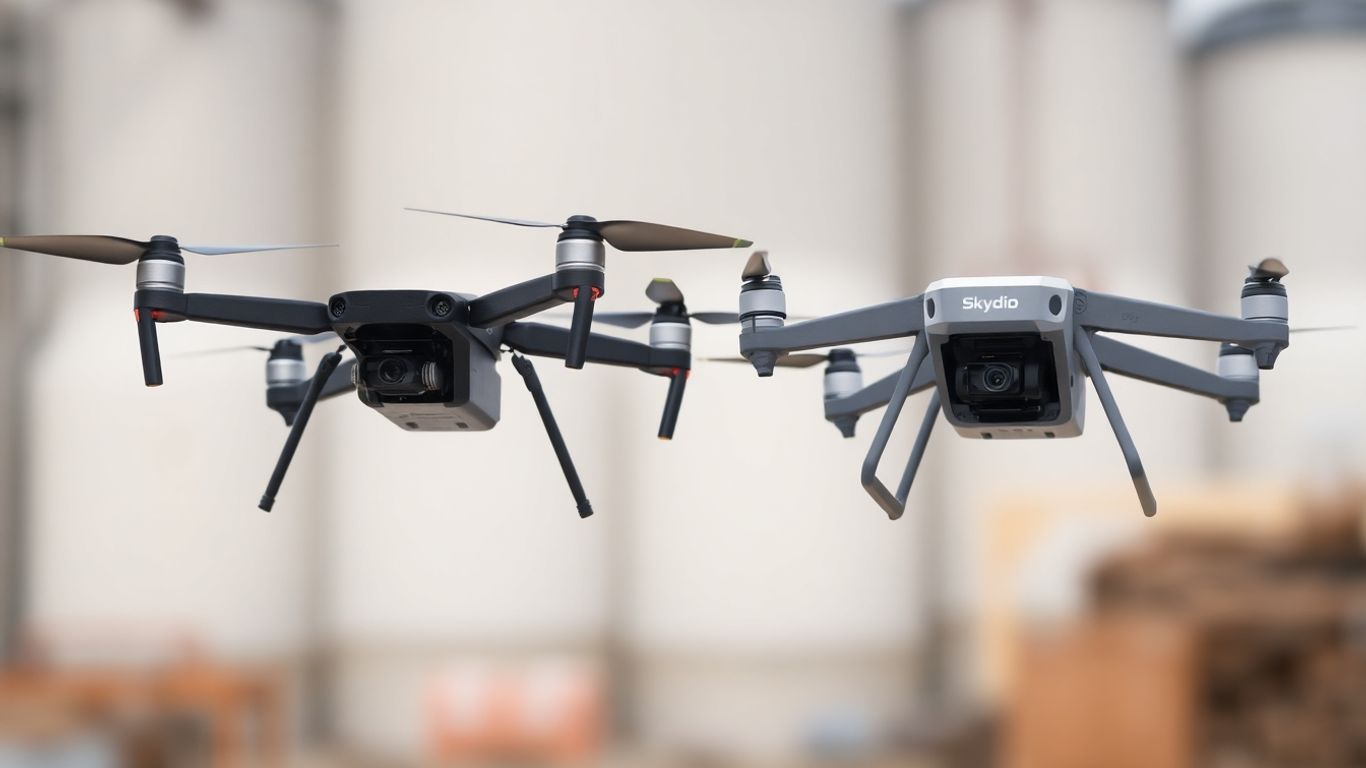
When you’re looking at drones for inspections, it’s not just about the fancy tech. You’ve got to think about the practical stuff too – how they’re built, what kind of help you can get, and, of course, how much it all costs. This is where things can get a bit different between Skydio and DJI.
Skydio’s US-Based Operations and Support
Skydio, being a US company, often highlights its domestic operations. This can mean easier access to support and potentially faster turnaround times for repairs if you’re in the States. They’ve been building up their presence, aiming to provide a solid support network for their customers. For businesses that prioritize domestic partnerships or need quick, local assistance, this is a big plus. It’s like having a local mechanic you can trust versus shipping your car overseas for service.
DJI’s Global Supply Chain and Accessibility
DJI, on the other hand, has a massive global footprint. This usually translates to wider availability of their products and a broader network of resellers and repair centers worldwide. If you’re operating in multiple countries or need to get your hands on a drone quickly in a less common location, DJI’s established supply chain can be a real advantage. They’ve been around longer and have really cornered the market in terms of sheer reach. This global accessibility often means more options for parts and service, no matter where your inspection work takes you.
Investment and Cost-Effectiveness for Inspection Fleets
Let’s talk money. The initial price tag is one thing, but you also need to consider the total cost of ownership, especially if you’re building a fleet. DJI generally offers a wider range of price points, from more budget-friendly options to high-end professional models. This makes it easier for smaller companies or those just starting out to get into drone inspections without a huge upfront investment. Skydio’s drones, particularly their more advanced models, can represent a significant investment, but they argue the cost-effectiveness comes from their autonomous capabilities reducing pilot time and increasing efficiency. It’s a trade-off: lower initial cost versus potentially higher long-term operational savings through automation.
Here’s a quick look at how they stack up:
| Feature | Skydio | DJI |
|---|---|---|
| Support | US-based, potentially faster local help | Global network, wide accessibility |
| Accessibility | Growing, but less global reach | Extensive global presence |
| Initial Cost | Can be higher for advanced models | Wider range, often more budget-friendly |
| Fleet Scaling | Focus on autonomy for efficiency | Broad product range for various budgets |
When you’re figuring out the best drone for your inspection needs, don’t just look at the specs. Think about where you’ll be flying, how much support you’ll need, and what your budget really looks like over the long haul. Sometimes the cheapest drone upfront ends up costing more down the line if it’s hard to fix or doesn’t have the right support.
The Future of Autonomous Inspection Drones
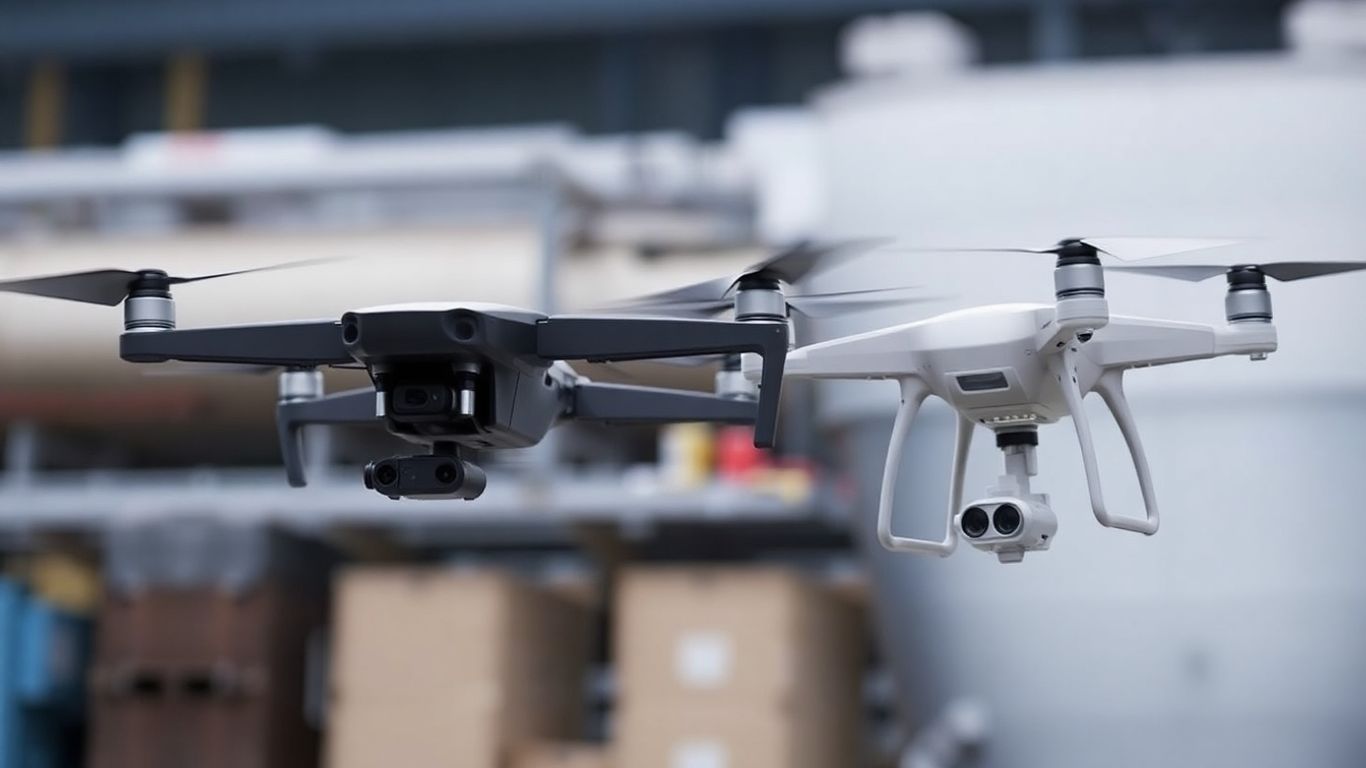
So, what’s next for drones doing inspections? It feels like we’re just scratching the surface, right? Both Skydio and DJI are pushing hard, but in slightly different directions. Skydio is really leaning into making the drone do all the heavy lifting itself. Think about it: the drone figures out the best path, avoids obstacles without you even thinking about it, and just gets the job done. This hands-off approach is a big deal for tasks where you need to focus on the data, not flying. They’re building on that AI-first idea, making the drones smarter and more capable in tricky spots. It’s like having a super-skilled pilot who never gets tired or makes mistakes.
DJI, on the other hand, has this massive ecosystem and cameras that are just top-notch. They’re not necessarily going all-in on full autonomy like Skydio, but they’re making their drones smarter and easier to use for specific inspection jobs. They’ve got a huge range of products, from smaller units to big workhorses, and their cameras are fantastic for getting those super clear, detailed shots. Plus, their software and accessories are pretty well-developed, which makes integrating them into existing workflows easier for a lot of companies. It’s about giving users powerful tools that are reliable and familiar.
Skydio’s Drive for Innovation in Autonomy
Skydio’s whole game plan seems to be about making drones fly themselves, especially in places that are hard to get to or have a lot of stuff in the way. They’re using advanced AI to map out environments in real-time and plot the safest, most efficient flight paths. This means less pilot training is needed for complex jobs, and you can get really close to structures for detailed looks without worrying about crashing. They’re also looking at how multiple drones can work together, which could speed up inspections on large sites significantly. It’s all about pushing the boundaries of what a drone can do on its own.
DJI’s Continued Market Leadership
DJI isn’t sitting still, though. They’re known for their incredible camera tech and a wide range of drones that fit different needs. For inspections, they’re focusing on improving their existing autonomous features, like better obstacle avoidance and more precise flight planning for tasks like mapping. They’re also expanding their enterprise solutions, making it easier for businesses to deploy and manage drone fleets. Their global reach and established support network mean that many organizations already trust and use their products, giving them a big advantage. They’re really good at making powerful tech accessible.
Advancements Shaping Inspection Drone Technology
Looking ahead, we’re going to see a few key things happen. Drones will get even better at understanding their surroundings, allowing for more complex autonomous missions. Think about drones that can not only fly around a bridge but also identify specific types of corrosion or structural weaknesses without human intervention. Battery life will keep improving, and payload options will expand, meaning drones can carry more specialized sensors for different types of inspections. We’ll also see better integration with other technologies, like AI analysis software that can process the captured data automatically. It’s all moving towards making inspections faster, safer, and more informative. For example, companies like National Grid are already seeing the benefits of automated drone inspections to speed up how they process asset data.
The trend is clear: drones are becoming more intelligent and more specialized. The future isn’t just about flying a drone; it’s about the data it collects and how that data is used to make better decisions. Expect to see drones that are less like remote-controlled toys and more like autonomous robotic inspectors.
Here’s a quick look at how some current models stack up for advanced features:
| Feature | Skydio X10 | DJI Matrice 350 RTK |
|---|---|---|
| Primary Autonomy | AI-driven, hands-free flight | Enhanced semi-autonomous flight modes |
| Obstacle Avoidance | Advanced 360-degree AI detection | Robust sensor-based avoidance |
| Mapping Capabilities | Real-time 3D scanning | High-accuracy RTK/PPK mapping |
| Target Use Case | Complex environments, tactical operations | Versatile inspections, mapping, surveying |
| Ecosystem | Growing AI-focused ecosystem | Extensive, mature hardware/software suite |
Wrapping Things Up: DJI vs. Skydio for Inspections
So, when it comes down to picking between DJI and Skydio for your inspection needs, it really depends on what you’re trying to do. If you need a drone that can fly itself through really tricky spots, like around complex structures or in tight spaces, Skydio’s smart AI is pretty hard to beat. It’s built for those jobs where you can’t be constantly babysitting the controls. On the other hand, DJI still leads the pack when it comes to camera quality and has a huge range of options for different tasks, from basic photography to more specialized work. For inspections, Skydio often shines with its autonomous capabilities, especially for public safety and industrial jobs. But DJI offers solid choices too, particularly if you need top-notch visuals or are already invested in their ecosystem. Think about where you’ll be flying and what kind of data you need most – that’s your best guide.
Frequently Asked Questions
What makes Skydio drones special for inspections?
Skydio drones are really good at flying themselves, even in tricky places with lots of stuff around. Their smart computer brains help them avoid bumping into things automatically. This means they can fly close to buildings or bridges to get super clear pictures for inspections without a person needing to fly them perfectly.
Why are DJI drones often chosen for inspections?
DJI drones are known for having amazing cameras that take really sharp photos and videos. They also have a big selection of drones and accessories, making it easier to find one that fits your needs and budget. Many people trust DJI for their reliable cameras and wide range of options.
Which drone is better for flying in tight or dangerous spots?
For flying in really tight spots or places with many obstacles, Skydio usually has the edge. Its advanced AI is built to handle these situations autonomously, letting the drone figure out how to get around without crashing. DJI drones also have obstacle avoidance, but Skydio’s system is often seen as more advanced for super complex environments.
How do the cameras compare between Skydio and DJI for inspection work?
DJI generally offers top-notch camera quality, which is great for seeing fine details in visual inspections. Skydio’s cameras are good, and they often come with specialized features like thermal imaging on some models, which can be very useful for certain types of inspections, like finding heat leaks.
Is it easier to learn how to fly a Skydio or a DJI drone?
Skydio drones are designed to be easy to fly because they do so much of the flying automatically. This means you can focus on what you want the drone to look at. DJI drones also have user-friendly controls, especially for beginners, but they might offer more complex manual controls for experienced pilots who want full command.
Which drone brand is better for businesses needing lots of drones?
DJI has a huge global presence and a more established supply chain, which can sometimes make them more accessible and potentially more cost-effective for buying many drones. Skydio, being US-based, might offer different support benefits, but their higher price point and manufacturing scale might be factors for very large fleets.