Building a drone portfolio that gets clients
Building a drone portfolio that actually gets clients isn’t just about having cool aerial shots. It’s about showing potential customers exactly what you can do for them and making it easy to hire you. Think of it as your digital storefront. You need to make it look good, tell a clear story, and make it simple for people to say ‘yes’ to working with you. We’ll go over some ways to make your drone portfolio work harder for your business.
Key Takeaways
- Showcase a variety of your best drone footage, mixing cinematic quality with real-world applications, and don’t forget to include ground shots too. This gives clients a full picture of your skills.
- Use case studies to prove your worth. Clearly explain the problem a client had, how your drone services solved it, and the real results you achieved. This builds trust.
- Make it easy for people to find you and see your work. A professional website is key, and making sure it shows up in search results and on social media helps a lot.
- Figure out what makes you special. Focus on a specific type of drone service or industry where you can be the go-to expert. This helps you stand out.
- Let your personality and style shine through. Tell your story, define how your work looks, and keep everything consistent so clients know what to expect from your brand.
Curate Your Visual Storytelling
Your drone footage is the heart of your business, but just having great shots isn’t enough. You need to present them in a way that tells a story and shows clients what you can do for them. Think of your portfolio as your digital gallery and your personal sales pitch all rolled into one. It’s where potential clients get their first real impression of your skills and style.
Showcase Diverse Drone Footage
Clients hire drone pilots for all sorts of reasons – real estate, events, inspections, filmmaking, and more. Your portfolio needs to reflect this variety. Don’t just stick to one type of shot. Show that you can handle different scenarios and deliver quality results across the board. This means including a mix of:
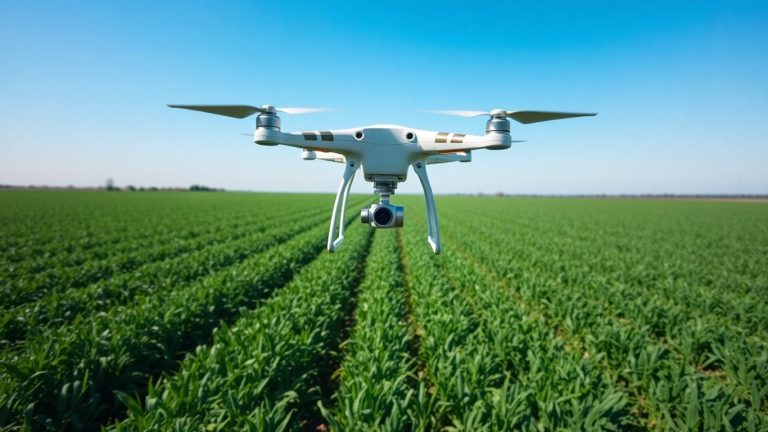
- Sweeping landscape shots: Perfect for travel or environmental projects.
- Dynamic event coverage: Capturing the energy of a festival or wedding from above.
- Detailed property views: Essential for real estate marketing.
- Action-oriented sequences: Showing movement and speed for sports or adventure.
- Industrial or infrastructure inspections: Demonstrating precision and technical capability.
The goal is to demonstrate your versatility and show you can adapt your skills to their specific needs. If you’ve only got landscape shots, a real estate agent might wonder if you can get the tight, detailed angles they require.
Highlight Cinematic Quality
Anyone can fly a drone and take a picture, but making footage look good is an art. Clients are often looking for that polished, professional look that makes their project stand out. This means focusing on:
- Smooth camera movements: Think slow pans, smooth tilts, and steady tracking shots. No jerky movements!
- Thoughtful composition: Using the rule of thirds, leading lines, and framing to create visually appealing shots.
- Good lighting and color grading: Ensuring your footage looks vibrant and professional, not washed out or dull.
- Storytelling through editing: Sequencing shots to build a narrative or highlight key features effectively.
Showing that you understand pacing, mood, and visual flow separates you from hobbyists. It’s about creating an emotional connection with the viewer, not just showing them a place from high up.
Integrate Ground and Aerial Content
While drones offer a unique perspective, they work best when combined with traditional ground-based videography or photography. Many clients appreciate a project that blends both perspectives for a more complete story. Consider showing how your aerial shots complement ground footage. For example, you could show:
- A ground-level shot of a building followed by a sweeping aerial reveal.
- A ground-level interview with an aerial B-roll of the surrounding area.
- A sequence that starts with a drone shot and then transitions to close-ups captured by a ground camera.
This integration shows clients that you can think holistically about their project and provide a more comprehensive visual solution. It demonstrates a deeper understanding of visual storytelling beyond just flying the drone.
Build Credibility with Case Studies
Potential clients want to see proof that you can actually do what you say you can. That’s where case studies come in. They’re like a detailed report card for your past projects, showing exactly what problems you solved and what good came out of it. Think of them as your secret weapon for building trust.
Define Client Challenges
This is where you set the stage. What was the big problem the client was facing before you showed up with your drone? Was it a real estate agent who couldn’t get good shots of a sprawling property? Maybe a construction company that needed to track progress on a huge site but found traditional methods too slow or expensive. You need to clearly explain the situation from the client’s point of view. What were they struggling with? What were the limitations of their old methods? Get specific here. It shows you understand their world.
Detail Your Drone Solutions
Now, explain how your drone services came to the rescue. Don’t just say ‘we flew a drone.’ Talk about the specific type of footage you captured, the angles you used, the equipment that was best suited for the job, and any special techniques you employed. Did you use thermal imaging for an inspection? Did you create a 3D model of a construction site? Break down your process. This is where you show your technical know-how and how you tailored your approach to their specific needs. It’s not just about flying; it’s about strategic aerial data collection.
Quantify Achieved Results
This is the most important part. What was the actual, measurable impact of your work? Did you help sell a property faster? Did you save the construction company money by identifying an issue early? Did you improve safety monitoring? Use numbers whenever possible. A table can be really helpful here to lay out the before-and-after.
| Metric | Before Drone Services | After Drone Services |
|---|---|---|
| Property Sale Time | 90 days | 45 days |
| Inspection Costs | $5,000 | $3,000 |
| Project Delays | 2 | 0 |
Even if you don’t have hard numbers, use qualitative results. For example:
- Improved client understanding of project scope.
- Enhanced marketing appeal for real estate listings.
- Provided critical data for safety assessments.
Ultimately, case studies transform your past successes into future opportunities. They provide concrete evidence of your capabilities, making it much easier for potential clients to see themselves benefiting from your services. It’s about showing, not just telling, the value you bring to the table.
Establish Your Online Presence
So, you’ve got some killer drone footage and maybe even a few case studies to back it up. That’s awesome. But if potential clients can’t find you or get a clear picture of what you do, all that hard work might not pay off. Think of your online presence as your digital storefront. It needs to be welcoming, informative, and easy to navigate. This is where people decide if you’re the right fit for their project.
Develop a Professional Portfolio Website
Your website is your main stage. It’s not just a place to dump photos; it’s where you tell your story and show off your skills. When building it, keep a few things in mind:
- Your Best Work Up Front: Make your most impressive aerial shots and videos the first thing visitors see. Use high-quality embeds that load quickly, like YouTube or Vimeo players.
- Clear Service Descriptions: Don’t make people guess what you do. List your services clearly – whether it’s real estate, inspections, or event coverage – and give them an idea of your pricing structure.
- Easy Contact: A simple contact form, email address, and phone number are non-negotiable. If you can, add a booking system so clients can schedule consultations right from your site.
- About You: People like working with people. Share a bit about your journey into drone photography. What got you started? What inspires your shots? This makes your brand feel more human.
Building a website doesn’t have to be a massive undertaking. Many platforms offer user-friendly tools that let you create a professional-looking site without needing to code. Focus on showcasing your visuals and making it simple for clients to reach out.
Optimize for Search Engines
Having a great website is only half the battle; people need to find it when they search online. This is where Search Engine Optimization (SEO) comes in. It sounds technical, but it’s mostly about making your site helpful and relevant to what people are looking for.
- Keyword Research: Figure out what terms potential clients are typing into Google. Are they searching for "drone real estate photography" or "aerial construction surveys"? Use these keywords naturally throughout your website content, especially in page titles and descriptions.
- Content is King: Regularly add new content to your site. This could be blog posts discussing drone photography tips, showcasing recent projects, or explaining the benefits of aerial imagery for specific industries. A blog is a fantastic way to attract organic traffic and position yourself as an authority.
- Local SEO: If you serve a specific geographic area, make sure your Google Business Profile is up-to-date. This helps you appear in local search results and on Google Maps.
Leverage Social Media Platforms
Social media is your megaphone. It’s where you can actively promote your work, connect with potential clients, and build a community around your brand. Don’t just post and forget; engage!
- Choose Your Platforms Wisely: Instagram is a must for visual work. LinkedIn is great for connecting with businesses in industries like construction, real estate, or marketing. Facebook can be useful for local outreach and targeted ads.
- Consistent Posting: Share your best work regularly. Mix in behind-the-scenes content, client testimonials, and short video clips to keep your audience engaged.
- Direct Messaging: Don’t be afraid to reach out directly to potential clients on platforms like LinkedIn or Instagram. Personalize your messages, highlight how you can solve their problems, and include a clear call to action, like visiting your website or scheduling a call.
- Use Hashtags: Research and use relevant hashtags to increase the visibility of your posts. Think industry-specific tags, location tags, and general drone photography tags.
Define Your Niche and Expertise
In a world where anyone can buy a drone, standing out means being more than just a pilot. You need to be the go-to person for a specific type of job. Think about it: if you need brain surgery, you don’t go to a general practitioner, right? Same idea here. Focusing on a particular area helps clients see you as the expert they need, not just another drone operator.
Identify Market Gaps
Look around. What are people asking for that isn’t being met well? Maybe construction companies need regular progress reports, but the current options are too slow or don’t provide the right kind of data. Or perhaps local wineries want unique footage for their marketing, but most drone pilots are focused on real estate. These are gaps. Finding them means you can offer something specific that clients are actively searching for.
Here’s a quick way to think about it:
- Industry Needs: What problems do specific industries face that drones can solve?
- Service Gaps: Are there services that are commonly offered but not done particularly well?
- Emerging Technologies: Are there new ways drones are being used that aren’t widely adopted yet?
Don’t just guess what clients want. Talk to people in different industries. Ask them about their challenges and see if a drone solution could genuinely help. This direct feedback is gold.
Align Services with Skills
Once you know what’s needed, match it with what you’re good at and enjoy doing. If you’re amazing at detailed, high-resolution photography, maybe focus on architectural inspections or detailed site surveys. If you have a knack for smooth, cinematic movements and editing, perhaps high-end real estate or tourism videos are your thing. Trying to be everything to everyone usually means you’re not exceptional at anything.
| Your Skillset | Potential Niche Focus |
|---|---|
| Precision Flying | Infrastructure Inspection |
| Cinematic Movement | Commercials & Film Production |
| Data Analysis | Agriculture & Environmental |
| Fast Turnaround | Emergency Services & Events |
Target Specific Industries
Instead of saying ‘I do drone work,’ say ‘I provide aerial progress monitoring for construction sites’ or ‘I create captivating aerial tours for luxury real estate listings.’ This directness tells potential clients exactly how you can help them. It makes your marketing more effective because you’re speaking their language and addressing their specific needs. It also helps you build a reputation within that industry, leading to more referrals and repeat business.
Showcase Your Unique Brand
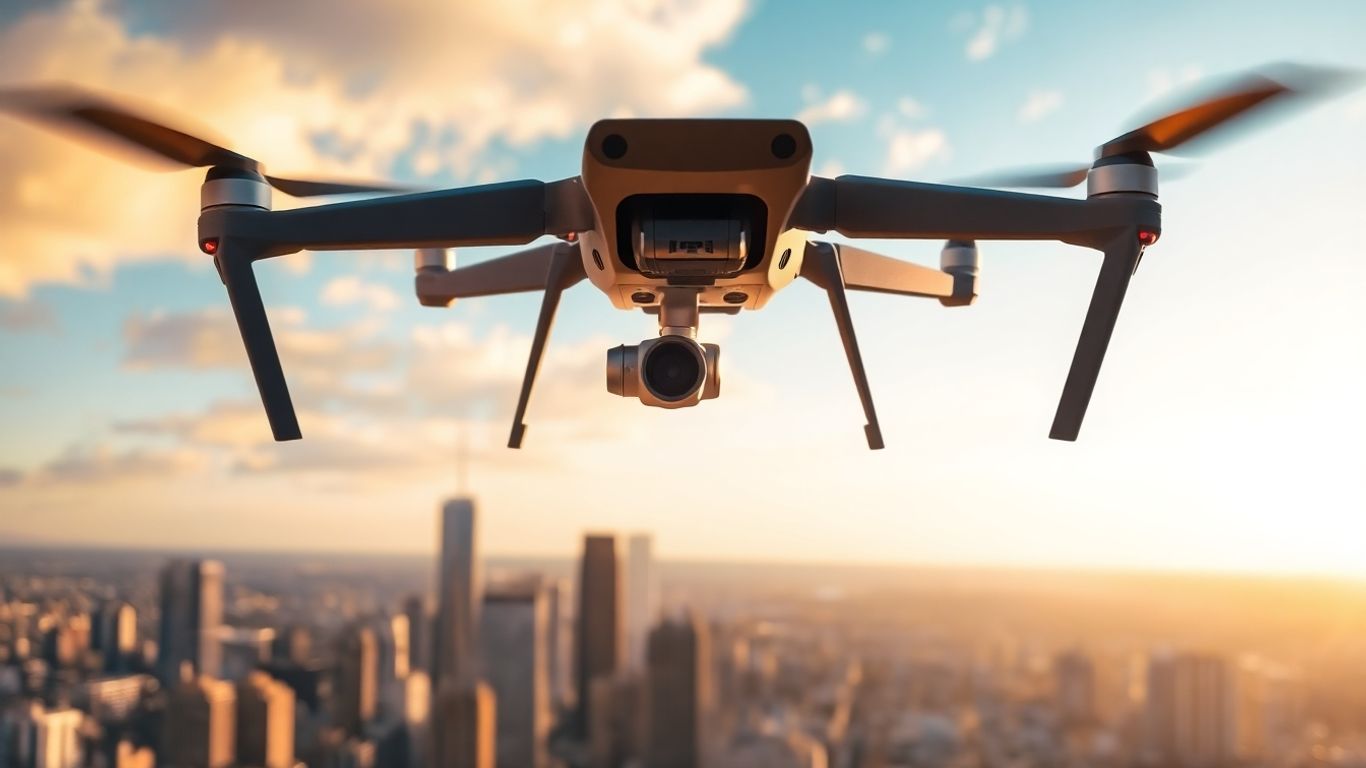
Your drone portfolio isn’t just a collection of pretty pictures; it’s your digital handshake, your first impression. It’s where you tell the world who you are and what makes your aerial perspective special. Think of it as your personal gallery combined with your business card, all rolled into one. People connect with authenticity, so let your personality shine through.
Craft Your Personal Narrative
Why did you get into drone photography in the first place? What drives you to capture the world from above? Sharing your journey, your inspirations, and what excites you about this field can make a huge difference. It humanizes your brand and helps potential clients feel a connection with you, not just your work. Consider including a section that tells your story – maybe it was a childhood fascination with flight, a passion for landscape art, or a desire to offer a new view on real estate.
- Your Origin Story: How did you start with drones?
- Your Inspiration: What kind of shots do you love to create?
- Your Vision: What do you hope to achieve with your aerial imagery?
People often look for more than just technical skill. They want to work with someone they can trust and relate to. Your personal story is a powerful tool for building that trust.
Define Your Visual Style
Every artist has a signature. What’s yours? Are your shots crisp and clean, focusing on architectural lines? Or are they moody and atmospheric, emphasizing natural landscapes? Maybe you lean towards vibrant, high-energy edits for action sports. Clearly defining and consistently applying your visual style across your portfolio helps clients understand what to expect. This consistency builds recognition and sets you apart from others.
Here’s a quick way to think about it:
| Style Element | Description |
|---|---|
| Color Palette | Do you prefer warm tones, cool tones, or natural? |
| Composition | Are your shots symmetrical, rule-of-thirds, etc.? |
| Editing Approach | High contrast, soft focus, cinematic grading? |
| Subject Focus | Landscapes, architecture, people, abstract? |
Maintain Brand Consistency
Consistency is key. From your logo and website colors to the tone of your writing and the way you present your work, everything should feel like it belongs together. If your logo is modern and sleek, your website design should reflect that. If your writing is friendly and approachable, keep that tone throughout. This unified approach makes your brand memorable and professional. It shows clients you pay attention to detail, which is exactly what they want in a drone operator.
- Logo and Colors: Use them consistently on your website, social media, and any marketing materials.
- Typography: Stick to a defined set of fonts for headings and body text.
- Tone of Voice: Whether it’s formal or casual, keep it the same everywhere.
- Image Presentation: Ensure all your showcased work has a similar look and feel.
Streamline Client Engagement
Making it easy for clients to connect with you and manage their projects is super important. If your process is clunky, potential clients might just go somewhere else, even if your drone footage is amazing. Think about how you want people to interact with your business from the very first click to the final delivery.
Implement a Clear Contact System
This is your digital handshake. You need a way for people to reach out that’s obvious and works well. A simple contact form on your website is a good start, but make sure it’s easy to find. Don’t hide it on some obscure page. Also, consider adding your professional email address and maybe even a business phone number if you’re comfortable with that. The goal is to remove any guesswork for someone who’s interested.
- Prominent Placement: Put your contact information on every page, usually in the header or footer.
- Simple Form: Ask only for necessary details – name, email, and a brief message.
- Quick Response: Set an expectation for how quickly you’ll reply, and stick to it. Even an automated reply saying you got their message helps.
A client’s first impression often comes from how easy it is to get in touch. If they struggle to find your contact details or get a slow response, they might assume your project management will be just as difficult.
Integrate Booking Functionality
Once a client is ready to move forward, you don’t want them waiting around for you to check your calendar. Integrating a booking system can save a lot of back-and-forth emails. Tools like Calendly or Acuity Scheduling can link directly to your calendar, showing clients your real-time availability. This means they can pick a slot that works for them, and it automatically gets added to your schedule. It’s a huge time-saver for both you and the client.
- Sync with Your Calendar: Make sure the booking tool connects to your primary calendar (Google, Outlook, etc.) to avoid double bookings.
- Define Service Times: Clearly set the duration for different types of drone shoots you offer.
- Automated Reminders: Set up email or text reminders for both you and the client before the scheduled shoot.
Provide Client Project Dashboards
For larger projects, or even just to keep things organized, a client dashboard can be a game-changer. This is a private space where clients can see the progress of their project, view drafts, provide feedback, and download final files. It acts as a central hub for all project-related communication and assets. This transparency builds trust and keeps everyone on the same page, reducing the chances of misunderstandings or missed details. It makes the whole experience feel more professional and less chaotic.
| Feature | Description |
|---|---|
| Project Status | Clients can see if their project is in editing, awaiting review, or complete. |
| File Sharing | Securely upload and download high-resolution footage and edited videos. |
| Feedback Loop | A dedicated area for clients to leave comments and approve revisions. |
| Invoice Access | Clients can view and download past and current invoices. |
Enhance User Experience
Think of your website as the first flight your potential clients take with you. If it’s bumpy or confusing, they’re likely to turn back. Making sure your site is easy and pleasant to use is super important. It’s not just about looking good; it’s about making it simple for people to see your work and get in touch.
Prioritize Fast Loading Speeds
Nobody likes waiting for a website to load. Slow sites make people leave, plain and simple. You want your amazing drone shots to appear quickly, not after a long pause. This means optimizing your images and videos. Don’t just upload the biggest files you have. Compress them so they look good but load fast. Also, think about where you host your videos – embedding from places like YouTube or Vimeo is usually better than putting them straight on your site, as it keeps things zippy.
Ensure Mobile Responsiveness
Lots of people will look at your site on their phones. If your website looks all squished or hard to read on a small screen, you’re losing potential clients. Your site needs to look good and work perfectly on any device, whether it’s a phone, tablet, or desktop. This is called responsive design, and it’s a must-have. It means your images won’t get cut off and your buttons will still be easy to click.
Design a Clean, Visual-First Layout
Your drone footage is the star of the show, so the design should support it, not get in the way. A clean layout with plenty of white space lets your photos and videos breathe and grab attention. Avoid clutter. Think about how you arrange your work. Maybe start with your strongest shots on the homepage. Use simple navigation so people can easily find different types of your work, like landscapes or real estate. A good layout guides the visitor smoothly through your portfolio, making it a pleasant experience from start to finish.
Wrapping Up Your Drone Business Journey
So, you’ve put in the work to build a drone portfolio that really shows off what you can do. It’s not just about having cool pictures or videos; it’s about showing potential clients that you’re the right person for their job. Remember, your portfolio is your main tool for getting noticed. Keep it updated, make sure it’s easy for people to find, and always be ready to explain how your drone skills can solve their problems. Building a successful drone business takes time and effort, but with a strong portfolio and a clear plan, you’re well on your way to landing those clients and making your business take flight.
Frequently Asked Questions
How can I show clients my best drone work?
Create a special website just for your drone photos and videos. Think of it like a digital gallery where people can see all the cool stuff you’ve shot from the sky. Make sure it looks good and is easy to use, so clients get excited about hiring you.
What makes a good drone portfolio?
Show a variety of your best shots, like different places, times of day, and types of projects. Also, include videos that show off how smooth and professional your flying and filming are. It’s like telling a story with your pictures and videos.
Do I need a fancy website to show my work?
Not necessarily! You can use easy-to-use website builders that look professional. The most important thing is that your photos and videos look great and the website loads quickly so people don’t get bored waiting.
How do I get clients to find my website?
Use social media to share your work and link back to your website. Also, make sure your website has words that people search for, like ‘drone photographer’ in your area. This helps people find you on Google.
Should I show ground shots too, not just drone footage?
Yes, absolutely! Many clients want both aerial views and regular ground-level shots. Showing you can do both makes you more valuable and means clients might only need to hire you, not a separate ground photographer.
How often should I add new work to my portfolio?
Try to add new projects every few months. This keeps your website looking fresh and shows potential clients that you’re actively working and improving. It also helps search engines like Google see your site as current.