Best niches for drone pilots in 2025
The world of drones has really taken off, moving from a cool hobby to a serious business opportunity. What used to be super expensive tech is now accessible for anyone wanting to fly and make a living. With all sorts of new uses popping up, from checking crops to filming movies, there are tons of ways to start a drone business. The trick is figuring out the best drone business niches for you. Let’s look at some of the top spots to focus on in 2025.
Key Takeaways
- Specialized drone services, like aerial mapping and industrial inspections, often pay more because they require specific skills beyond just flying.
- Real estate and wedding photography/videography are popular niches where clients are willing to pay for unique aerial perspectives.
- Infrastructure and construction inspections are growing fields where drones offer safer and more efficient ways to check hard-to-reach places.
- Areas like drone training and rental businesses cater to the increasing number of people interested in flying drones, creating service-based opportunities.
- Emerging fields such as drone delivery and ecotourism show the expanding range of applications for drone technology, opening up new business possibilities.
1. Aerial Photography and Videography
So, you’re thinking about getting into drone photography and videography? It’s a pretty cool field, honestly. You’re basically offering a bird’s-eye view that most people can only dream of. Think about it – capturing landscapes, events, or even just a cool property from way up high. It’s not just about pointing a camera in the sky, though. You need to know what looks good, how to frame a shot, and how to make it all look professional.
Getting started isn’t too complicated, but you do need some basic gear. You’ll want a drone that can shoot decent video and stills. Most modern drones are pretty good, but for professional work, you’ll want something with a good camera, maybe a 4K sensor, and a stable gimbal. Then there’s the editing side of things. You’ll need a computer that can handle video files and some software to put it all together. Adobe Premiere Pro is popular, but there are other options too.
Here’s a quick rundown of what you might need:
- A drone with a good camera (4K video is a plus)
- Extra batteries (flight time is always an issue!)
- A reliable computer for editing
- Video editing software
- A portfolio to show off your work
It’s a field where you can really get creative. You can shoot for stock photo sites, do work for real estate agents, or even get into filming for small businesses. The key is to build a portfolio that shows what you can do. Post your best shots on social media, especially platforms like Instagram and YouTube. People need to see your style to hire you.
The trick is to make your footage stand out. It’s not just about getting a high shot; it’s about telling a story or highlighting something specific. Think about the lighting, the angles, and what you want the viewer to feel. Practice makes perfect, and showing off your best work is how you’ll land gigs.
2. Real Estate Photography
When it comes to selling properties, making a great first impression is everything. That’s where drone photography for real estate comes in. It’s not just about pretty pictures; it’s about showing off a property’s full potential from a perspective buyers can’t get on the ground. Think about it – you can showcase the entire lot, the neighborhood context, and how the house sits on the land. This kind of visual information is super helpful for potential buyers trying to get a feel for a place before they even visit.
Getting started in this niche means you’ll need a few things. First off, a drone with a decent camera is a must. Something that can capture clear, sharp images and smooth video. You’ll also want editing software to make those shots pop. Beyond the gear, though, you need to know how to use it effectively. That means understanding good lighting, composition, and how to highlight a property’s best features from above.
Here’s a quick rundown of what you might need:
- Drone with a good camera: Look for something with at least a 12-megapixel camera and 4K video capabilities. A 3-axis gimbal is also a big plus for stable footage.
- Editing Software: Programs like Adobe Lightroom for photos and Premiere Pro or Final Cut Pro for video will be your best friends.
- Portfolio: You’ll need examples of your work. Start by offering services to local agents at a reduced rate to build up your portfolio.
- Business Basics: This includes things like insurance, understanding local regulations, and setting your pricing.
It’s a competitive field, so building relationships with real estate agents and agencies is key. Offering package deals for multiple listings or special rates for high-volume agencies can help you stand out. You might also consider partnering with real estate marketing companies.
The real estate market is always moving, and agents are constantly looking for ways to make their listings more attractive. Drones offer a unique and powerful way to do just that, giving potential buyers a comprehensive view that static photos or ground-level videos just can’t match. It’s about providing a complete picture, from the curb appeal to the backyard oasis and everything in between.
Startup costs can vary, but you’re probably looking at somewhere between $1,500 to $4,000 to get properly equipped. It might seem like a lot, but the return on investment can be significant when you’re helping agents sell properties faster and for potentially better prices.
3. Wedding Photography and Video
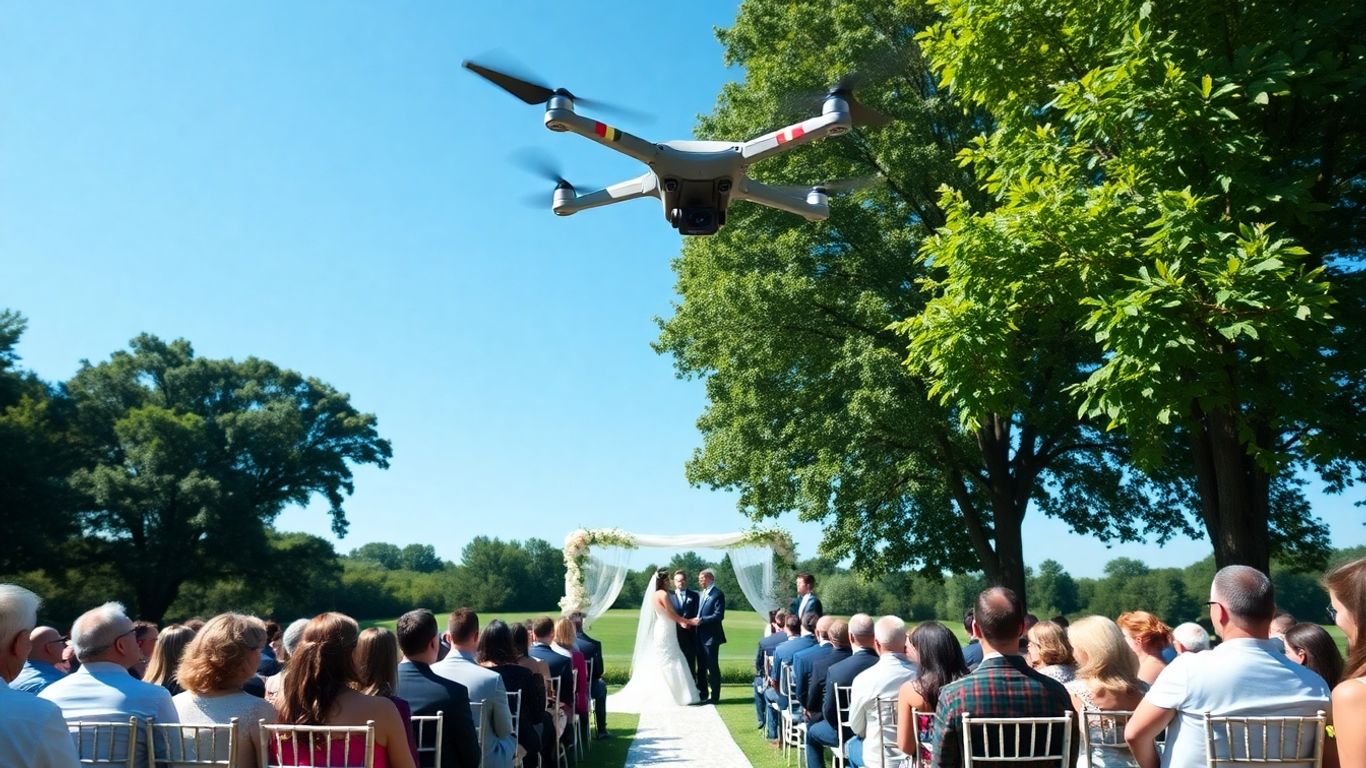
Weddings are a huge deal, right? And couples are always looking for ways to make their big day extra special and memorable. That’s where drones come in. Adding aerial shots can really make your wedding photography and video business stand out. Imagine getting those sweeping views of the venue, the entire wedding party lined up, or even the guests arriving. It’s a perspective you just can’t get from the ground.
Think about it: you’re not just taking pictures; you’re telling a story from a whole new angle. This can include:
- Capturing the grandeur of the ceremony location before guests arrive.
- Getting dynamic group shots of the wedding party with a stunning backdrop.
- Following the couple during their first dance from above for a unique perspective.
- Documenting the reception’s atmosphere and guest interactions from a bird’s-eye view.
It’s about offering something beyond the usual. Couples are increasingly looking for that ‘wow’ factor, and drone footage provides it. You can capture the entire estate, the coastline if it’s a destination wedding, or just the sheer joy of everyone gathered. It adds a cinematic quality that ground-level shots alone can’t replicate. Plus, it’s a fantastic way to showcase the venue itself, which is often a big part of the couple’s decision.
Offering drone services for weddings isn’t just about cool shots; it’s about providing a comprehensive visual narrative. You’re giving couples a way to relive their day with a scope and scale that feels truly epic. It’s a service that requires skill, attention to detail, and a good understanding of how to blend aerial footage with traditional videography and photography to create a cohesive final product.
When you’re starting out, make sure you’re familiar with all the local regulations for flying drones, especially around people and private property. Getting the right drone insurance is also a smart move. It’s a competitive field, but the demand for unique wedding visuals is definitely there. You can really make a name for yourself by offering these kinds of services.
4. Cinematography
Cinematography with drones is a whole different ballgame compared to just taking pretty pictures from the sky. It’s about telling a story, creating mood, and adding that epic, sweeping feel that ground cameras just can’t replicate. Think dramatic reveals of landscapes, following fast-moving action, or getting those impossible, sweeping shots that make a movie or commercial really pop. The real magic happens when you combine skilled piloting with a good eye for composition and storytelling.
It’s not just about flying; it’s about understanding how to move the camera to serve the narrative. This means knowing your drone’s capabilities inside and out, from smooth, slow pans to dynamic, high-speed pursuits. You’ll need to work closely with directors and cinematographers to get the exact shot they envision. It’s a collaborative effort, for sure.
Here are a few things that really make a difference in drone cinematography:
- Smooth Flight Paths: No jerky movements. Think fluid, controlled motion that guides the viewer’s eye.
- Creative Angles: Don’t just fly straight. Experiment with low angles, high angles, and tracking shots that add depth and drama.
- Lighting Awareness: Understand how light changes throughout the day and how it will affect your aerial shots. Golden hour is your friend!
- Story Integration: How does the drone shot fit into the overall narrative? Does it reveal something new, build tension, or establish a setting?
Getting into drone cinematography means investing in more than just a good drone. You need editing skills, an understanding of film theory, and the ability to work under pressure on set. It’s a demanding but incredibly rewarding field for those who love both flying and filmmaking. The accessibility of professional-grade equipment is really opening up new creative avenues for creators in 2025, making it an exciting time to get involved in drone filmmaking.
Starting out might involve smaller projects, maybe local commercials or music videos, to build a portfolio. As you gain experience and a reputation for reliable, high-quality work, you can aim for bigger productions. The demand for unique aerial perspectives is only growing, so if you have the knack for it, there’s a lot of potential.
5. Industrial Inspections
When it comes to keeping big industrial sites running smoothly, drones are becoming a real game-changer. Think about all the tall structures, complex machinery, and vast areas that need regular checking. Sending people up there or shutting things down for a look-see can be time-consuming, expensive, and, let’s be honest, pretty risky.
Drones offer a much safer and more efficient way to get eyes on everything. They can get into tight spots, fly high above, and capture detailed images and video without putting anyone in harm’s way. This means fewer accidents and less downtime for operations.
Here are some of the key areas where industrial inspections are really taking off:
- Infrastructure Checks: This includes things like power lines, pipelines, wind turbines, and bridges. Drones can spot cracks, corrosion, or other damage that might be hard to see from the ground or require dangerous climbs.
- Facility Monitoring: For large factories or processing plants, drones can do quick visual checks of roofs, exteriors, and hard-to-reach equipment. They can also help track progress on maintenance or upgrades.
- Asset Management: Keeping tabs on valuable equipment and structures is vital. Drones can create detailed records and regular updates, helping companies manage their assets better and plan for future maintenance.
The data collected by drones isn’t just for spotting problems. It can be used to create 3D models of sites, track changes over time, and build a historical record. This information helps with planning, risk assessment, and making sure everything stays compliant with regulations.
It’s not just about having a drone, though. You need to know how to operate it safely in these environments and understand what you’re looking for. Having some knowledge about the specific industry you’re inspecting, like understanding how a turbine works or what to look for on a pipeline, makes your service that much more useful to clients.
6. Infrastructure Inspections
When it comes to keeping our roads, bridges, power lines, and pipelines in good shape, drones are becoming a total game-changer. Think about it: instead of sending people up in cherry pickers or rappelling down cliffs, you can send a drone. It’s way safer and often quicker.
This niche is all about using drones to check on the health and condition of critical structures. We’re talking about things that keep our society running. Drones can get up close to hard-to-reach spots, capturing high-resolution photos and videos that inspectors can then pore over. This means spotting cracks in a bridge, checking for corrosion on a pipeline, or verifying the integrity of wind turbine blades without putting anyone in harm’s way.
Here’s a look at what this often involves:
- Bridge Inspections: Looking for structural weaknesses, cracks, or spalling concrete.
- Roadway and Highway Checks: Assessing pavement condition, identifying potholes, and monitoring construction progress.
- Pipeline Monitoring: Detecting leaks, corrosion, or damage along long stretches of pipeline.
- Utility Pole and Tower Assessments: Checking for damage, wear, or potential hazards on electrical infrastructure.
It’s not just about spotting problems, though. Drones can also help with progress tracking on new construction projects or create detailed 3D models of existing structures for maintenance planning. The data collected can be used to create reports, map out issues, and even estimate repair volumes.
The sheer amount of infrastructure out there that needs regular checking is enormous. Drones offer a way to do this more efficiently and with less risk than traditional methods. It’s a practical application that directly impacts public safety and the economy.
7. Construction Building Inspection
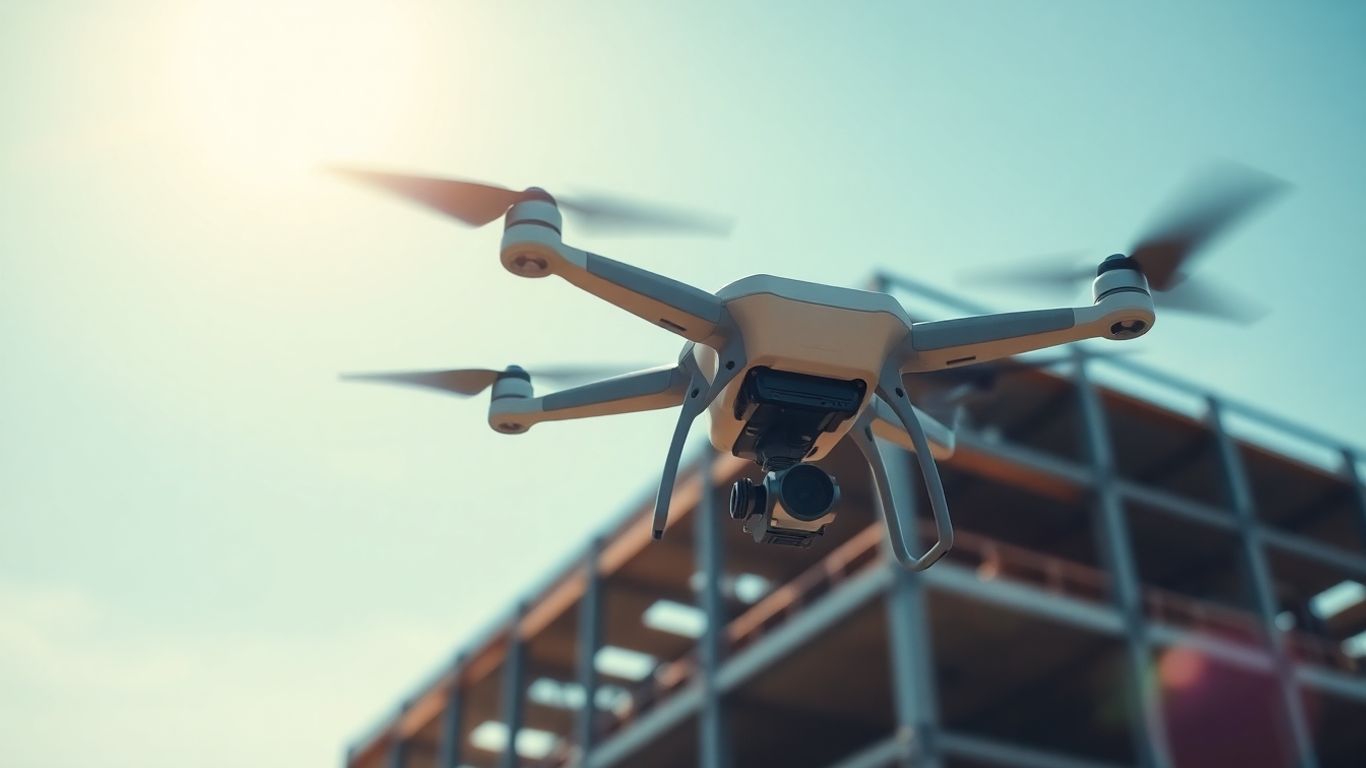
Construction building inspections are a big deal, and drones are really changing the game here. Instead of sending people up on rickety scaffolding or relying on grainy photos, you can get a bird’s-eye view of an entire site quickly and safely. This allows for much more thorough checks of progress, safety, and potential issues.
Think about it: you can capture high-resolution images and videos of every angle of a building, from the foundation to the roof. This is super helpful for tracking how far along a project is, making sure everything is being built according to plan, and spotting any problems before they become major headaches. Plus, you can create detailed 3D models of the site, which gives everyone involved a really clear picture of what’s going on. This kind of detailed documentation is invaluable for project managers and stakeholders alike.
Here’s what drone inspections can really help with:
- Progress Tracking: Regularly flying over the site to document how much work has been done and compare it to the schedule.
- Quality Control: Getting close-up views of specific areas to check for defects or improper installation.
- Safety Monitoring: Identifying potential hazards on the site, like unsecured areas or equipment placement issues.
- As-Built Documentation: Creating accurate records of the final construction for future reference.
Using drones for these inspections means less risk for workers and often a faster turnaround time. It’s a smart way to keep construction projects on track and within budget. You can even generate reports on stockpile volumes or create topographic maps of the land. It’s all about getting better data, faster.
The ability to get detailed, consistent aerial data is transforming how construction sites are managed. It’s not just about pretty pictures; it’s about actionable information that helps prevent costly mistakes and keeps projects moving forward efficiently. This technology is becoming a standard tool for modern construction management.
If you’re looking to get into this niche, you’ll want to make sure you have the right equipment and understand the regulations. Having good drone software for construction can also make a huge difference in how you process and present the data you collect. It’s a growing field with a lot of potential for drone pilots.
8. Aerial Mapping
Aerial mapping is a pretty cool niche for drone pilots, and it’s really taking off. Basically, you’re using drones to capture high-resolution images and data from above, which then get turned into detailed maps and 3D models. Think about construction sites needing to track progress, or environmental agencies monitoring land changes – they all need this kind of precise information. The accuracy and detail you can provide with a drone are way beyond what traditional methods can offer, and it’s often much faster and safer too.
Getting into aerial mapping means you’ll need more than just a drone. You’ll likely need some specialized software for processing the data, and understanding Geographic Information Systems (GIS) is a big plus. It’s not just about flying; it’s about turning that flight data into something useful for clients. Many businesses are looking for this kind of aerial intelligence to make better decisions, and the drone surveying market is growing fast because of it.
Here’s a quick look at what you might be doing:
- Creating detailed orthomosaic maps (basically super-accurate aerial photos stitched together).
- Generating digital elevation models to show terrain.
- Performing volume calculations, like how much dirt has been moved on a construction site.
- Building 3D models of sites for visualization and analysis.
Clients aren’t just buying drone photos; they’re paying for accurate data that helps them solve problems. Your job is to understand their needs and deliver that actionable information reliably. Building trust through consistent, high-quality results is key to making this a successful business.
It might sound technical, and it is, but the demand is definitely there. If you’re good with details and enjoy working with data, aerial mapping could be a really solid path for you.
9. Aerial Surveying
Aerial surveying is a big deal for a lot of industries these days. Think about it – instead of sending people out to walk miles of land or climb dangerous structures, you can get a bird’s-eye view with a drone. This makes data collection faster, safer, and often more accurate.
What kind of data are we talking about? Well, it can be a lot. You might be creating detailed maps, like orthomosaics, which are basically super-accurate aerial photos stitched together. Or maybe elevation and contour maps that show the ups and downs of the land. Some projects need cut/fill calculations to figure out how much earth needs to be moved, and others require 3D site models for a complete picture of what’s going on.
Here’s a quick rundown of what you might do:
- Generate high-resolution orthomosaic maps.
- Produce detailed elevation and contour maps.
- Calculate earthwork volumes for construction or mining.
- Create 3D models of sites for planning and analysis.
It’s not just about flying the drone, though. You’ll need to know your way around things like Geographic Information Systems (GIS) and understand surveying basics. The gear can get pricey, too, with specialized drones and GPS equipment. But if you get good at it, you can really help companies track progress, check for safety issues, and plan their projects better. It’s a solid way to provide useful information.
Getting into aerial surveying means you’re not just flying a drone; you’re providing critical data that helps businesses make smart decisions. It’s about solving problems with accurate information from above.
If you’re looking to get into this, consider getting certified in surveying and mapping. It really helps build trust with clients and can open doors to bigger projects. You can find a lot of good info on how to get started with drone mapping if that’s the direction you want to go.
10. Agricultural Surveying
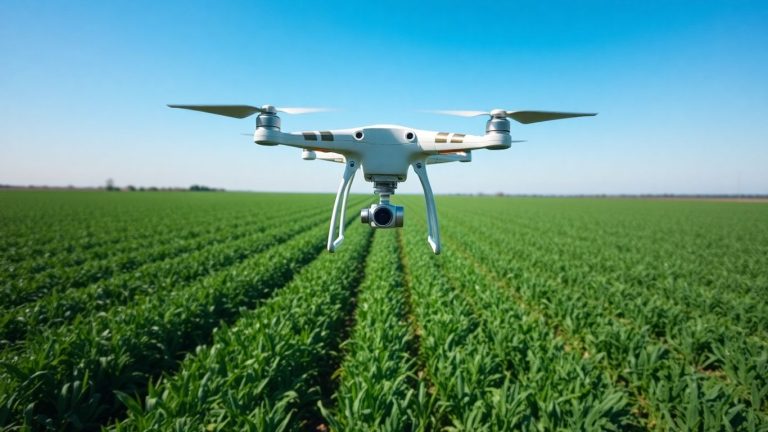
Agricultural surveying using drones is becoming a really big deal for farmers. Instead of just guessing, you can get super detailed information about what’s happening in their fields. This data helps them make smarter choices about planting, watering, and fertilizing, which can seriously boost how much they grow and cut down on wasted resources.
Think about it: drones can fly over acres of land and capture images that show things you can’t see from the ground. Special cameras can even tell if a plant is stressed or not getting enough nutrients. This means farmers can target exactly where they need to apply treatments, instead of spraying everywhere.
Here’s a quick look at what drone surveying can do for farms:
- Crop Health Monitoring: Spotting diseases or pest infestations early.
- Soil Analysis: Understanding soil moisture and nutrient levels across different areas.
- Yield Prediction: Estimating how much harvest to expect based on field conditions.
- Field Mapping: Creating precise boundaries and layouts for better planning.
To really do well in this area, you need to know more than just how to fly a drone. Understanding farming practices and what makes crops healthy is just as important. Being able to explain the data in a way that makes sense to a farmer is key to building trust and getting repeat business.
It’s not just about the tech, though. You’ve got to be able to talk to farmers, understand their problems, and show them how your drone service can actually help. Offering demos and showing off real results is a good way to get them on board. Plus, keeping up with new drone tech and farming methods means you can offer the best solutions out there.
11. Crop Monitoring
Keeping an eye on crops from above is becoming a really big deal for farmers. Drones can do way more than just take pretty pictures; they’re actually tools that help farmers grow more food and use fewer resources. This niche is all about giving farmers the data they need to make smarter decisions.
Think about it: instead of walking miles of fields, a drone can cover a huge area quickly. It can spot problems early, like where plants aren’t getting enough water or if there’s a pest outbreak starting. This means farmers can act fast, applying exactly what’s needed, where it’s needed, instead of guessing or treating the whole field.
Here’s what drone crop monitoring can help with:
- Plant Health Assessment: Using special cameras, drones can see things the naked eye can’t, like stress in the plants or nutrient deficiencies. This helps identify problem spots before they become widespread.
- Soil Analysis: Drones can help map out soil types and moisture levels across a field, guiding irrigation and fertilization efforts.
- Yield Prediction: By tracking crop growth and health throughout the season, drones can help farmers estimate how much they’ll harvest.
- Pest and Disease Detection: Early detection means quicker treatment, saving crops and reducing the need for broad pesticide application.
To really do well in this area, you need to know more than just how to fly a drone. Understanding farming practices and what makes crops healthy is just as important. Farmers are looking for partners who can help them boost their harvests and cut down on waste, and drones are a fantastic way to do that.
It’s not just about the tech, though. You’ve got to be able to explain what the data means to the farmer in plain English. Showing them how this technology can directly impact their bottom line is key to getting them on board.
12. Drone Racing
Drone racing is a fast-paced, adrenaline-pumping niche that’s really taken off in recent years. It’s not just about flying; it’s about skill, precision, and speed. Pilots control specialized, high-performance drones through complex obstacle courses, often at breakneck speeds. Think of it like a real-life video game, but with actual drones zipping through the air.
The competitive aspect is huge, with pilots vying for prize money and sponsorships. It’s a growing sport that attracts both participants and spectators, with events happening all over the world. You can get involved in a few ways. You could be a pilot yourself, honing your skills to compete. Or, you might be more interested in the organizational side, setting up races, managing clubs, or even starting a team. There’s also a market for building and selling custom racing drones, or offering repair services for these specialized machines.
Here’s a quick look at how you might get involved:
- Become a Pilot: Practice regularly, learn advanced flight techniques, and understand your drone’s capabilities inside and out. Joining local clubs can be a great way to improve.
- Organize Events: Plan races, secure venues, manage logistics, and promote events to attract pilots and fans. This requires strong organizational and marketing skills.
- Build/Repair Drones: If you’re mechanically inclined, you can build custom racing drones or offer repair services. This requires technical knowledge of drone components and electronics.
- Spectate and Support: Even if you’re not flying, attending events and supporting the sport helps it grow. You can find information about upcoming competitions, like those featured in The World Games 2025.
The drone racing scene is dynamic, with technology constantly evolving. Staying updated on the latest drone models, FPV (First-Person View) gear, and racing strategies is key to staying competitive, whether you’re flying or organizing.
It’s a niche that demands dedication, but the thrill and potential rewards can be significant for those who are passionate about high-speed drone piloting.
13. Drone Training
So, you’ve got a drone, or you’re thinking about getting one for work. That’s cool. But just having the thing doesn’t mean you know how to fly it properly, especially if you’re looking to do more than just take blurry pictures of your neighbor’s cat. This is where drone training comes in. It’s about turning that hobbyist gadget into a professional tool.
Think about it. There are rules, right? You can’t just fly anywhere, anytime. Proper training covers all that FAA stuff, making sure you don’t end up with a hefty fine or, worse, a drone confiscated. Beyond the regulations, there’s the actual flying. Learning how to get smooth footage, how to inspect a roof without crashing into it, or how to map an area accurately takes practice and good instruction. It’s not just about pushing buttons; it’s about understanding your aircraft and the environment.
Here’s a quick look at what you can expect from a good training program:
- Flight Fundamentals: Basic controls, stability, and maneuvering in different conditions.
- Regulatory Knowledge: Understanding airspace, certifications (like the Part 107), and legal flight practices.
- Safety Protocols: Pre-flight checks, emergency procedures, and risk assessment.
- Specialized Skills: Depending on the course, this could include aerial photography techniques, mapping software, or inspection methods.
Getting certified isn’t just a piece of paper; it’s a signal to clients that you’re serious and capable. It opens doors to jobs that require a professional approach and a proven skill set. Many community colleges are now offering drone training programs that can get you started without a big upfront cost, which is pretty neat.
Starting a drone training business yourself can be quite rewarding. You’ll need a solid understanding of drone tech, regulations, and how to teach effectively. The investment can range from $5,000 to $30,000, and you could see returns of $50,000 to $200,000 annually once you get going. It takes a few months to get the curriculum and business structure in place, but the demand is definitely there.
14. Drone Rental Business
Thinking about getting into drones but not sure if you want to drop a ton of cash on one? That’s where a drone rental business comes in. It’s a pretty straightforward idea: people rent drones from you for a day, a weekend, or maybe even a week. This is great for folks who just want to try out a new hobby, get some cool shots for a personal project, or maybe test out a specific drone before buying one for their business.
This niche is booming because it lowers the barrier to entry for so many potential drone users. Instead of a big upfront cost, people can pay a smaller fee to get their hands on some pretty advanced tech. You could start with a few popular models, maybe a good all-around camera drone and a more robust one for longer flights, and then expand your inventory as you figure out what your customers want most.
Here’s a quick look at what you might need to consider:
- Inventory: What drones will you stock? Think about different price points and capabilities. A beginner drone, a mid-range camera drone, and maybe a professional-grade one for serious videographers.
- Pricing: How will you charge? Hourly, daily, weekly rates? What about insurance or a security deposit?
- Logistics: Where will people pick up and drop off the drones? Will you offer delivery? How will you handle maintenance and repairs?
- Legal Stuff: You’ll need clear rental agreements, and you should definitely look into insurance to cover any accidents or damage.
It’s not just for hobbyists, either. Businesses might need a drone for a specific inspection or a short-term filming gig and don’t want to buy one. You could even offer packages, like a drone rental with a quick tutorial on how to use it.
Setting up a drone rental service requires careful planning, especially around insurance and maintenance. You need to make sure your equipment is always in good working order and that your renters understand the risks involved. Clear contracts and maybe even a short training session can go a long way in preventing problems and keeping customers happy.
15. Drone Websites and Blogs
Starting a website or blog focused on drones is a pretty neat idea, especially if you’re looking to get into the drone world without a huge upfront cost. Think of it as your own little corner of the internet where you can share all sorts of drone-related stuff. You could write about the latest drone models, give your honest opinions on them, show people how to do cool things with their drones, or just keep everyone updated on what’s happening in the drone industry. Building a good following means you’ve got a platform to make some money.
It’s not just about writing, though. You can make money in a few ways:
- Affiliate Marketing: Recommend drone products and get a small commission if someone buys through your link.
- Sponsored Content: Companies might pay you to write about their specific drones or services.
- Digital Products: Create and sell your own eBooks or online courses about drone flying or photography.
By consistently putting out helpful and interesting content, you can become someone people trust in the drone community. It’s a great way to build a loyal group of readers who are genuinely interested in what you have to say.
The drone world is growing fast, and people are always looking for good information. If you can provide that, you’re in a good spot. It takes time to build up, but the payoff can be pretty good.
Here’s a quick look at what you might cover:
- Product Reviews: Honest takes on new drones, cameras, and accessories.
- Tutorials: Step-by-step guides for flying techniques, editing aerial footage, or performing specific tasks.
- Industry News: Updates on regulations, new technologies, and major events.
- Case Studies: Real-world examples of how drones are being used effectively in different fields.
16. Drone Blog
Starting a drone blog might seem like a side project, but it can actually turn into a pretty solid business idea, especially if you’re on a tight budget. Think about it: you can share your experiences, review gear, write how-to guides, or just keep people updated on what’s happening in the drone world. The key is to consistently put out helpful stuff that people actually want to read.
It’s not just about writing, though. You can build a community around your blog. People will start to see you as someone who knows their stuff, and that trust is gold. Eventually, you could make money through affiliate links to drone products, sponsored posts from companies, or even by selling your own digital products like eBooks or online courses. It takes time, sure, but building an audience that relies on your insights is a real win.
Here’s a quick look at what makes a drone blog work:
- Content Variety: Mix up reviews, tutorials, news, and personal stories.
- Consistency: Post regularly so your audience knows when to expect new content.
- Engagement: Respond to comments and build a connection with your readers.
- SEO Basics: Learn how to make your posts show up when people search for drone topics.
Building a successful drone blog isn’t just about sharing information; it’s about creating a space where drone enthusiasts feel connected and informed. It’s a way to share your passion and, if you play your cards right, make a living from it.
If you’re looking to get your drone footage noticed online, focusing on compelling scenes and using dynamic camera movements can really help make a viral social media hit. It’s all about grabbing attention in a crowded space.
17. Underwater Services
This is a pretty niche area, but using drones underwater is becoming a thing. Think about it – instead of sending a person down, you can send a robot. These submersible drones can check out things like bridge supports, pipelines, or even ship hulls without anyone getting wet. It’s way safer and often cheaper.
What can you actually do with these underwater drones?
- Inspect dams and reservoirs for structural issues.
- Check on underwater cables and pipelines for damage.
- Survey the seabed for construction projects or environmental studies.
- Help with search operations for lost items or people in the water.
It’s not just about looking, either. Some of these drones can collect samples or take detailed measurements. You’ll need special gear, of course, and a good understanding of how to operate them and what the data means. It’s a growing field, especially for companies that have a lot of underwater infrastructure to keep tabs on.
The technology for underwater drones is advancing quickly. What used to require expensive, specialized boats and divers can now sometimes be done with a drone. This opens up possibilities for smaller companies or those with tighter budgets to get the information they need about their underwater assets.
18. Security Surveillance
When you think about drones, security might not be the first thing that pops into your head, but it’s a pretty big deal. Drones offer a bird’s-eye view that ground patrols just can’t match. They’re becoming a go-to tool for keeping an eye on things, whether it’s a large property, a busy event, or a place that needs extra watching. Think about it: a drone can cover a lot of ground quickly, spotting issues before they become major problems. This is super helpful for property managers, event planners, and even security companies looking to beef up their services.
Here’s why drones are shaking things up in security:
- Wide Area Coverage: Drones can patrol vast areas much faster than a person on foot or even a vehicle. This means more ground covered in less time.
- Real-time Monitoring: Many drones can stream live video, allowing security teams to see what’s happening as it happens. This is great for responding to incidents.
- Access to Difficult Spots: Drones can get to places that are hard or dangerous for humans to reach, like steep roofs or remote perimeters.
- Deterrence: The visible presence of a drone can actually discourage potential troublemakers.
Setting up a drone security service isn’t just about buying a drone, though. You need a solid plan for how you’ll use the footage, how you’ll communicate with clients, and how you’ll handle data privacy. Building relationships with security firms and property owners is key to getting consistent work. You’ll also want to think about the types of drones and cameras that best suit the job – maybe something with a good zoom or thermal imaging for nighttime patrols.
The potential earnings in this field can be quite good, with some pilots making upwards of $200,000 a year. However, the initial investment in equipment and training can range from $10,000 to $50,000, and it might take a few months to get your operation fully up and running. It’s a serious business, not just a hobby.
19. Event Security and Crowd Monitoring
When you’re managing a big event, whether it’s a music festival, a sporting match, or even a large community gathering, keeping everyone safe and making sure things run smoothly is the top priority. This is where drones really shine. They give you eyes in the sky, offering a bird’s-eye view that ground personnel just can’t match.
Drones can significantly boost security and crowd management at large events. Think about it: you can monitor crowd density in real-time, spot potential issues before they escalate, and even help direct attendees. They’re also great for checking access points and ensuring restricted areas stay that way. It’s about being proactive, not just reactive.
Here’s a quick look at what drone services can do for event security:
- Real-time Surveillance: Get live video feeds from multiple angles to monitor the entire event space. This helps identify bottlenecks, unauthorized access, or any unusual activity.
- Crowd Flow Management: Observe how people are moving through the venue. This information is super helpful for adjusting security presence or directing staff to manage large gatherings.
- Perimeter Security: Drones can patrol the outer boundaries of an event, checking for any breaches or suspicious activity that might be missed by static security teams.
- Incident Response: In case of an emergency, drones can quickly provide aerial views of the situation, helping first responders assess the scene and plan their approach.
Using drones for event security isn’t just about having cool tech; it’s about making events safer and more efficient. They provide a level of oversight that was previously impossible or incredibly expensive to achieve. This technology helps organizers and security teams respond faster and more effectively to any situation that arises.
This kind of aerial monitoring is becoming a standard part of event planning, especially for large-scale functions. It’s a smart way to add an extra layer of safety and operational awareness. You can find more information on how drones are used for security and monitoring at large events.
20. Traffic Monitoring
Keeping an eye on traffic flow might not sound like the most exciting drone gig, but it’s actually a pretty important one. Think about it: cities and towns are always looking for ways to manage congestion, figure out accident causes, and just generally make roads safer. Drones can really help with that.
They offer a bird’s-eye view that’s hard to beat for real-time traffic analysis. This means you could be working with local authorities, news stations, or even event organizers to provide live updates. Imagine streaming footage of a major highway during rush hour or capturing the scene after an incident to help emergency services figure out the best routes.
Here’s what this kind of work often involves:
- Live Footage Streaming: Using drones equipped with high-resolution cameras to broadcast traffic conditions as they happen.
- Accident Scene Documentation: Gathering visual data to help investigators understand what occurred.
- Congestion Analysis: Identifying patterns and problem areas to inform traffic management strategies.
- Event Support: Monitoring traffic around large gatherings to ensure smooth access and egress.
It’s a niche that requires reliable equipment, especially drones that can handle live streaming without a hitch. You’ll also need to be aware of regulations, like the upcoming fee for Special Flight Operations Certificate (SFOC) applications starting November 4, 2025, though government organizations involved in emergencies are usually exempt [523c].
This service is all about providing clear, immediate visual information. It’s less about fancy cinematic shots and more about practical data that helps people make decisions. Think of it as providing a vital set of eyes from above for those who need to understand what’s happening on the ground, quickly and efficiently.
21. Document Courier Service
Think about those times you absolutely needed a contract signed across town, like, yesterday. Traffic was a mess, and you were stuck. That’s where drone document courier services come in. These services use drones to zip important papers from point A to point B, bypassing all the usual ground-level headaches. It’s a pretty neat idea for businesses that deal with a lot of time-sensitive paperwork, like law firms or real estate agents.
Here’s a quick look at why this is becoming a thing:
- Speed: Drones can fly directly to a destination, avoiding traffic jams and delays. This means faster delivery times for critical documents.
- Accessibility: They can reach places that are hard to get to by car or other traditional methods, like remote locations or areas with poor road access.
- Security: With proper protocols, drone deliveries can be secure, especially for sensitive legal or financial documents. Tracking systems add another layer of safety.
It’s not just about speed, though. It’s about reliability when you really need it. Imagine needing a signed document for a deal that closes in an hour – a drone could be the difference-maker.
The technology is still growing, and regulations are catching up, but the potential for drones to handle quick, secure document transfers is huge. It’s a service that could really change how some businesses operate, especially in busy cities or for specialized needs.
22. Drone Delivery
Drone delivery is really starting to take off, no pun intended. We’re talking about using drones to zip small packages, meals, or even groceries right to people’s doors. It’s all about cutting down on delivery times and making things super convenient for customers.
The real game-changer here is speed and access. Think about getting a prescription delivered in minutes instead of hours, or a hot meal arriving before it gets cold. It bypasses all the traffic jams and road delays that slow down traditional delivery methods.
To get into this, you’ll need drones that can handle the weight of what you’re delivering and have solid navigation systems. A drone for delivering a pizza is going to be different from one carrying a small electronics package.
Here’s a quick look at what goes into it:
- Drone Selection: Choose drones with appropriate payload capacity and flight range for your specific needs (e.g., food vs. packages).
- Navigation & Safety: Implement reliable GPS and obstacle avoidance systems. Safety is obviously a huge deal.
- Regulatory Compliance: Understand and adhere to all local and federal aviation regulations for drone operations.
- Logistics Management: Develop a system for managing orders, flight paths, and delivery confirmations.
This isn’t just about dropping off a package; it’s about rethinking how goods move in our cities and even rural areas. It has the potential to change how businesses operate and how we get the things we need, especially in urgent situations.
It’s a pretty exciting area, and as the technology gets better and regulations become clearer, we’ll likely see a lot more of this in the coming years.
23. Drone Ecotourism
Imagine soaring over a national park, seeing the vastness of the landscape without disturbing a single animal or plant. That’s the idea behind drone ecotourism. It’s all about giving people a bird’s-eye view of nature’s wonders, from remote coastlines to dense forests, all from the comfort of a screen or a guided experience. This niche lets people explore places they might never get to see otherwise, all while keeping the environment totally untouched.
Think about it: instead of a noisy helicopter tour that might scare wildlife, a drone can quietly capture stunning footage. This is great for people who love nature but also want a unique travel experience. It’s a way to appreciate natural beauty from a whole new angle.
Here’s what makes drone ecotourism stand out:
- Unique Perspectives: Get views of landscapes, wildlife, and natural formations that are impossible to capture from the ground.
- Minimal Environmental Impact: Drones are quiet and don’t disturb wildlife or damage sensitive ecosystems.
- Accessibility: Offers virtual tours or guided experiences of remote or hard-to-reach natural areas.
- Educational Opportunities: Can be used to teach about conservation, geology, and local flora and fauna.
This kind of tourism is really about experiencing the world responsibly. It’s a way to connect with nature and learn about it without leaving a footprint. It’s a win-win for travelers and the planet.
It’s not just about pretty pictures, though. Drone ecotourism can also help conservation efforts by documenting areas and showing people why they’re worth protecting. Plus, it opens up new possibilities for travel companies looking to offer something truly different and memorable.
24. Historical Site Studies
Drones are becoming a really useful tool for anyone interested in history and old places. Think about it: instead of just looking at a ruin from the ground, you can get a bird’s-eye view, seeing the whole layout and how it fits into the landscape. This perspective is invaluable for documenting and understanding historical sites.
Using drones for historical site studies means you can capture super detailed photos and videos without actually having to walk all over fragile ruins. This is a big deal for preservation. You can create accurate 3D models of buildings or entire areas, which is great for researchers and for planning any necessary restoration work. It’s like having a digital twin of the past.
Here’s what drone pilots can do in this niche:
- Detailed Documentation: Capture high-resolution imagery and video of structures, artifacts, and the surrounding environment. This creates a visual record that can be used for research, education, and preservation.
- 3D Modeling: Generate accurate 3D models of historical sites. These models can help archaeologists and historians visualize the site, plan excavations, and even virtually reconstruct lost structures.
- Site Monitoring: Regularly survey sites to track changes over time, especially in areas prone to erosion or damage. This helps in early detection of problems.
- Accessibility: Provide aerial views of sites that are difficult to access by foot, like remote ruins or areas with challenging terrain.
Working with historical sites often means collaborating with museums, universities, and heritage organizations. Building these connections can lead to some really interesting projects. It’s not just about flying a drone; it’s about contributing to the understanding and protection of our past.
This field is growing, and there’s a real need for pilots who are careful, precise, and understand the sensitivity of these locations. It’s a chance to combine a love for history with drone technology.
25. Drone-Assisted Hunting and Tracking and more
When you think about drones, hunting and tracking might not be the first things that come to mind. But honestly, they’re becoming a pretty big deal in that world. Drones can cover a lot of ground really fast, way faster than someone on foot. This means you can scout out areas for game or keep an eye on wildlife without disturbing them too much. It’s a neat way to get a bird’s-eye view of the landscape.
There are a few ways drone pilots are getting involved:
- Game Spotting: Using drones to locate potential game animals before heading out on foot. This can save a lot of time and effort.
- Tracking Lost Game: If a hunter takes a shot and the animal runs off, a drone can help track its path and locate it more easily.
- Wildlife Monitoring: For conservationists or researchers, drones are great for observing animal populations, their habitats, and even spotting illegal activities like poaching.
- Scouting Terrain: Before a hunting trip, a drone can provide detailed maps and views of the area, helping plan the best approach.
It’s important to remember that using drones for hunting comes with a lot of rules. You’ve got to know the local laws inside and out, and always practice ethical hunting. The goal is to use the technology to be more efficient and respectful of the environment and the animals.
Beyond hunting, this niche can extend to other tracking applications. Think about search and rescue operations where drones can quickly scan large areas for missing persons, especially in difficult terrain. Or even for monitoring livestock on large ranches. It’s all about using that aerial perspective to gather information efficiently.
Wrapping Up Your Drone Journey
So, there you have it. The world of drone piloting is really opening up, and it’s not just for hobbyists anymore. Whether you’re looking at mapping out construction sites, capturing amazing shots for movies, or even inspecting power lines, there’s a spot for you. It takes more than just knowing how to fly, sure, but with a bit of training and the right focus, you can find a niche that works. The key is to pick something you’re good at and that people actually need. Don’t be afraid to start small, build your skills, and get your name out there. The drone industry is growing fast, and the opportunities are only going to get bigger.
Frequently Asked Questions
What are the most profitable jobs for drone pilots?
Some of the best paying jobs for drone pilots are in areas like aerial mapping, making movies (cinematography), and checking on big structures like bridges or power lines (industrial inspections). These jobs often pay more because they need special skills beyond just flying.
Do I need special training to fly drones for work?
Yes, for most jobs, you’ll need more than just a hobbyist license. Many jobs require specific training, certifications, or even a pilot’s license depending on the type of work and where you are. For example, mapping requires knowing how to use mapping software, and inspections might need some knowledge of what you’re looking for.
How much money can a drone pilot make?
Drone pilots can make a wide range of money. Some might earn around $50,000 a year, while those in specialized fields like cinematography or complex inspections could make over $100,000. It really depends on the niche, your skills, and where you work.
What’s the easiest way to start a drone business?
Starting with aerial photography and videography is often a good first step because many people need these services. Real estate photography and basic inspections are also popular and can be easier to get clients for compared to highly specialized fields.
Can I make money just by writing about drones?
Absolutely! You can start a blog or website about drones. By sharing news, reviews, and tips, you can attract readers. Then, you can make money through ads, recommending products (affiliate marketing), or even selling your own guides or courses.
Are there drone jobs that don’t involve flying?
Yes, there are! You could start a business that builds custom drones for specific needs, or offer drone training to teach others how to fly safely and professionally. Some people even rent out their drones to others who want to try flying for a short time.