Best drones for roof inspections
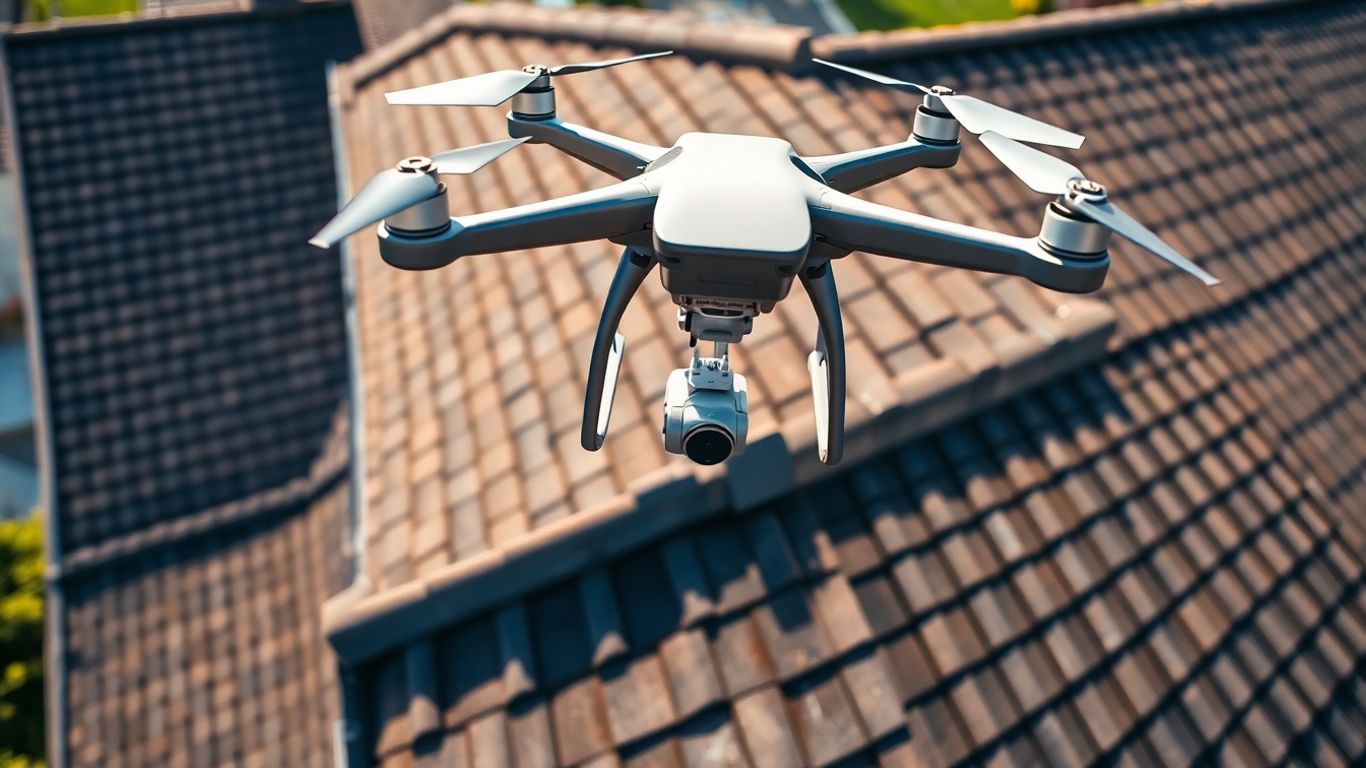
Getting a good look at a roof without actually climbing on it sounds pretty great, right? That’s where drones come in. They’ve really changed how people check out roofs, whether it’s for repairs, insurance, or just keeping tabs on things. Finding the right roof inspection drone can make the job way easier and safer. We’ve checked out a bunch of them, and here are some of the top picks for anyone needing a reliable roof inspection drone.
Key Takeaways
- For professional use, a drone that’s built tough and lasts is a smart investment. Commercial jobs can be harder on equipment than casual flying.
- While you don’t always need the most expensive drone, an enterprise model, even a cheaper one, often gives you the best value for roof inspections.
- A good camera is a must. Look for drones that can shoot in 4K or even 5.2K to get detailed images and videos.
- Some inspections benefit from thermal imaging to spot things like damaged insulation. Drones with this feature can add a lot of value.
- Drones save time and make inspections safer by reducing the need for people to climb onto roofs.
1. DJI Mavic 3 Enterprise
When it comes to serious roof inspections, the DJI Mavic 3 Enterprise (often called the Mavic 3T) is a pretty solid choice. It’s built for professionals who need to get detailed information, especially when visual inspection alone isn’t enough.
This drone packs a couple of cameras that are really useful for roof work. You’ve got a high-resolution visual camera, a 48MP one with a ½” CMOS sensor, that can zoom in quite a bit – up to 56x hybrid zoom. This means you can spot tiny details from a safe distance. But the real game-changer for roof inspections is the thermal camera. It can capture thermal video at 640×512 resolution, which is great for finding heat leaks, moisture issues, or damage that you can’t see with your eyes.
Here’s a quick look at some of its specs:
- Flight Time: Up to 45 minutes (without wind).
- Camera System: 48MP Wide Camera, 12MP Tele Camera, and a 640×512 Thermal Camera.
- Obstacle Sensing: Omnidirectional, meaning it can detect things all around it.
- Precision: Supports RTK for centimeter-level accuracy if you need that kind of detail for mapping.
It’s not just about the cameras, though. The Mavic 3 Enterprise has smart features like APAS 5.0 that help it automatically fly around obstacles, making your flights safer. It also has DJI AirSense, which alerts you to nearby manned aircraft, a nice safety addition.
The DJI Mavic 3 Enterprise is a significant investment, often costing around $5000. While that’s a lot of money upfront, the thermal imaging capability allows you to offer specialized, premium services for roof inspections, potentially making it a worthwhile expense for your business.
Using this drone with the DJI Pilot 2 app makes planning your inspection flights pretty straightforward. You can set up missions to capture images for mapping or detailed visual checks. It’s designed to be portable and relatively easy to operate, which is a big plus when you’re out on a job site.
2. DJI Air 3
The DJI Air 3 is a pretty solid choice if you’re looking for a drone that can handle some basic roof inspection tasks without breaking the bank. It’s not quite the heavy-duty professional tool some might need, but for general assessments and getting a good overview, it really does the job.
One of the standout features is its dual-camera system. You get a wide-angle lens and a telephoto lens, which gives you a lot of flexibility when you’re up in the air. This means you can get a broad view of the roof and then zoom in on specific areas to check for damage or wear. It’s this versatility that makes it a good all-around option for many inspection scenarios.
When it comes to flight time, the Air 3 can stay airborne for a decent amount of time, usually around 46 minutes in ideal conditions. This is usually enough to cover most residential roofs in a single flight, which is super convenient. Plus, it’s pretty easy to fly, even if you’re not a seasoned drone pilot. The controls are intuitive, and it has some smart features to help keep it stable and avoid obstacles.
For those who need to document their findings, the Air 3 captures high-quality images and video. This makes it easier to create reports and share your findings with clients or your team. It’s a good tool for small-scale scanning tasks, like checking out roof inspections or building assessments.
Here’s a quick look at some of its specs:
- Flight Time: Up to 46 minutes
- Camera System: Dual 48MP cameras (Wide & Telephoto)
- Max Transmission Distance: Up to 15 km (FCC)
- Obstacle Sensing: Omnidirectional
While it doesn’t have the advanced thermal capabilities of some higher-end models, the DJI Air 3 offers a great balance of performance, features, and price for many common roof inspection needs.
3. DJI Mini 4 Pro
The DJI Mini 4 Pro is a really interesting option if you’re looking for something super portable but still capable for roof inspections. It’s incredibly lightweight, tipping the scales at under 249 grams. This means you don’t need to register it in many places, which is a nice little perk.
It’s got a pretty decent camera for its size, capable of shooting 4K video and taking high-resolution photos. This is important for spotting those small details on a roof that could be a problem. Plus, it has some smart features that help with flight stability, even if there’s a bit of wind.
Here’s a quick look at some of its specs:
- Weight: Under 249 grams
- Max Flight Time: Around 34 minutes
- Camera: 48MP photos, 4K/100fps video
- Obstacle Sensing: Omnidirectional
While it’s not a powerhouse like some of the bigger enterprise drones, the Mini 4 Pro strikes a good balance. It’s easy to carry around and quick to get in the air, making it great for quick checks or when you’re on the go.
It’s definitely a step up from older mini drones, with better image quality and more advanced flight controls. If you’re just starting out with drone inspections or need a backup drone that’s easy to handle, this one is worth considering.
4. DJI Mavic 3 Pro
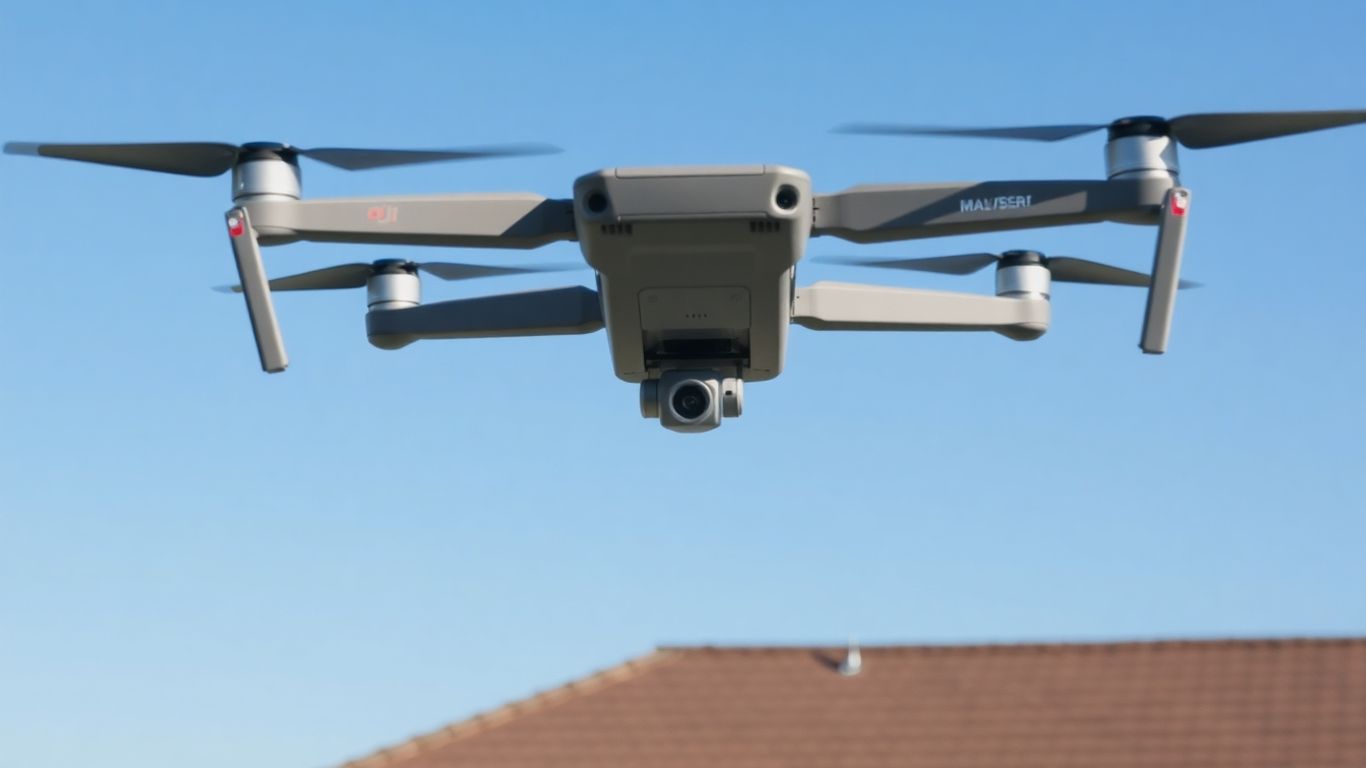
The DJI Mavic 3 Pro is a solid choice if you’re looking for top-notch image quality and a stable flight experience for your roof inspections. It’s built for those who need to capture every little detail without fuss. This drone really shines when it comes to its camera system, making it easy to spot even minor issues on a roof.
It comes with a few different camera options, which is pretty neat. You get a main Hasselblad camera with a large 4/3-inch CMOS sensor, capable of shooting 5.1K video. Plus, there are telephoto lenses for getting a closer look without flying too near. This setup means you can get really clear photos and videos, which is super important when you’re documenting roof conditions.
When it comes to flying, the Mavic 3 Pro offers a good flight time, usually around 45 minutes, so you can cover a decent amount of area on a single charge. It also has a pretty good obstacle avoidance system, which is a big plus when you’re flying around buildings. The DJI Fly app makes controlling it straightforward, even if you’re not a seasoned pilot.
While it’s a bit of an investment, the clarity of the footage you get from the Mavic 3 Pro can save you time and effort in the long run. Being able to zoom in and see details clearly from a safe distance is a game-changer for roof inspections.
Here’s a quick look at some of its key features:
- Hasselblad Camera: Delivers professional-grade image quality with a 4/3 CMOS sensor.
- Multiple Lenses: Includes telephoto options for versatile zooming.
- Long Flight Time: Up to 45 minutes of flight per battery.
- Obstacle Avoidance: Advanced sensors help prevent collisions.
- User-Friendly App: DJI Fly app simplifies flight operations.
5. DJI Air 2S
The DJI Air 2S is a solid choice if you’re looking for a drone that balances portability with good imaging capabilities for roof inspections. It’s not the absolute newest model out there, but it still packs a punch for its size and price point. It’s a great all-around performer that many roof inspectors find reliable.
One of the standout features is its 1-inch CMOS sensor. This means it can capture some really detailed photos and videos, which is pretty important when you’re trying to spot subtle issues on a roof. You get 5.4K video and 20MP photos, so you’re not going to miss much detail.
Here’s a quick look at some of its specs:
- Camera: 1-inch CMOS sensor, 20MP photos, 5.4K video
- Flight Time: Around 31 minutes per battery
- Max Wind Resistance: 24 mph (10.5 m/s)
- Transmission System: OcuSync 3.0 (O3)
- Weight: 595 grams
It’s pretty easy to fly, even if you’re not a seasoned pilot. The obstacle avoidance system is decent, helping to keep the drone safe while you’re focused on the roof. Plus, it’s small enough to carry around without much fuss.
When you’re up on a ladder or on a roof yourself, you don’t want to be fiddling with complicated controls or worrying about the drone crashing. The Air 2S is pretty straightforward, letting you concentrate on getting the shots you need for your inspection report.
While it doesn’t have the advanced thermal capabilities of some higher-end DJI models, its visual capture is more than enough for many standard roof inspections. If you need to document general condition, look for obvious damage, or get clear overhead shots, the Air 2S does a fine job.
6. DJI Phantom 4 Pro
Even though it’s not the newest drone on the block, the DJI Phantom 4 Pro is still a solid choice for roof inspections. It’s got this classic design that many pilots just really like, and it’s built tough.
The mechanical shutter is a big deal here because it stops you from getting those weird, wavy lines in your photos that can happen with electronic shutters, especially when the drone is moving. This is super helpful when you’re trying to get clear shots of roof surfaces.
Here’s a quick look at some of its specs:
- Camera: 1-inch CMOS sensor, 20 MP stills, 4K video up to 30 fps.
- Transmission: OcuSync (an older version, but still reliable).
- Build: Known for its sturdy construction.
It might not have all the fancy bells and whistles of the latest models, and it’s definitely not as small or portable as some of the newer drones, but the Phantom 4 Pro is a real workhorse. It can handle photography, mapping, and definitely roof inspections without breaking a sweat. You get good image quality, and it’s a drone that many professionals have relied on for years.
While newer drones might offer more advanced features or a smaller form factor, the Phantom 4 Pro’s reliability and the quality of its mechanical shutter make it a dependable option for detailed visual inspections of roofing.
It’s a drone that proves you don’t always need the latest tech to get the job done right.
7. Skydio 2
When you’re up on a roof, things can get a little tricky. You’ve got vents, chimneys, maybe even some weird angles to deal with. That’s where the Skydio 2 really shines. Its biggest selling point is how well it avoids obstacles. It uses a bunch of cameras to see what’s around it, so you don’t have to worry as much about bumping into things while you’re trying to get those inspection shots.
For roof inspections, this means you can focus more on the roof itself and less on piloting the drone. It’s pretty good at following along with you or flying a pre-planned path without getting into trouble. It’s not the absolute cheapest option, but if you’re in a tight spot or a complex roof environment, it can save you a lot of headaches.
Here’s a quick look at some of its features:
- Advanced Obstacle Avoidance: Uses multiple cameras to see and avoid objects in real-time.
- Intelligent Flight Modes: Can follow subjects or fly pre-set routes with minimal pilot input.
- Compact Design: Easy to carry around to different job sites.
- Good Camera Quality: Captures clear images for detailed inspection.
The Skydio 2’s ability to autonomously navigate around obstacles makes it a strong contender for inspections where the environment isn’t perfectly clear. This can lead to fewer crashes and more consistent data collection, even for less experienced pilots.
While it might not have all the bells and whistles of some of the higher-end DJI models for pure photography, its smarts in avoiding trouble are a big deal for practical, real-world inspections.
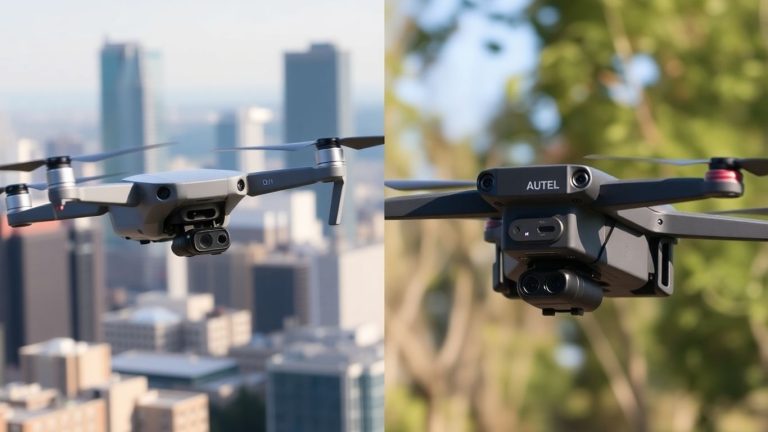
8. Autel Evo II Series
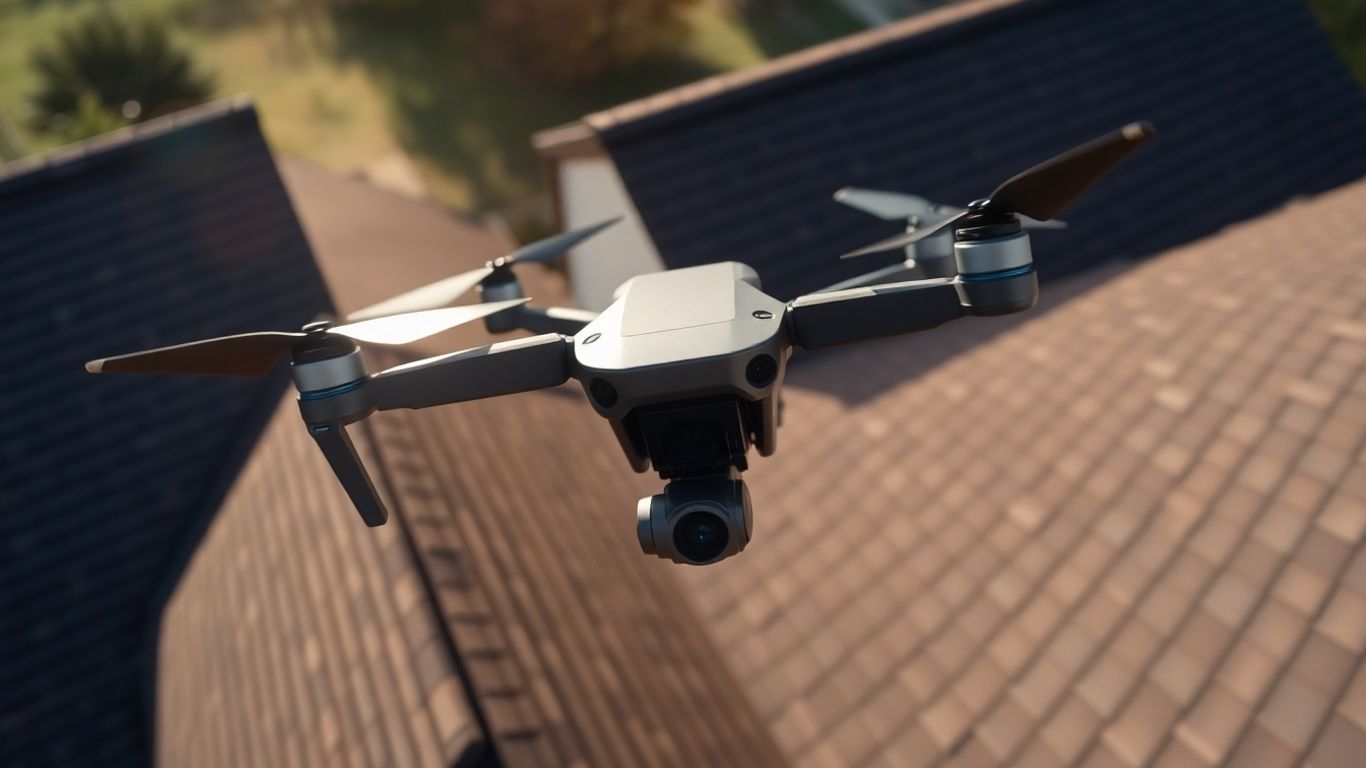
The Autel Evo II Series is a solid contender for roof inspections, especially if you’re looking for something a bit more rugged. Autel has been making some good strides in the drone market, and this series is a good example of that. They’re known for being pretty tough, which is a big plus when you’re out in the field, maybe dealing with less-than-ideal weather or landing spots.
One of the standout models is the Evo II Dual 640T V3. This drone packs both a regular visual camera and a thermal camera. The thermal sensor is pretty decent, with a 640 x 512 resolution, which is good for spotting heat leaks or moisture issues that you can’t see with your eyes alone. The visual camera isn’t too shabby either, with a 0.8-inch sensor that can shoot 50MP stills and handles low light pretty well. Plus, it has up to 4x lossless zoom, so you can get a closer look at specific areas without losing too much quality.
Here’s a quick look at some of its features:
- Dual Camera System: Combines high-resolution visual and thermal imaging.
- Flight Time: Up to 38 minutes, which is quite good for getting a lot done on a single charge.
- Obstacle Avoidance: Features 360-degree obstacle avoidance, making it safer to fly around structures.
- Portability: Despite its capabilities, it’s designed to be relatively portable.
The Autel Evo II Series, particularly the Dual 640T V3, offers a compelling package for roof inspections. Its combination of visual and thermal imaging, along with robust build quality and decent flight time, makes it a practical choice for professionals who need reliable data capture in various conditions.
When it comes to price, these drones are in the enterprise category, so expect them to be a significant investment, often in the $5000 range or more. This is pretty standard for drones with advanced thermal capabilities, but it means you’re getting a tool that can help you provide specialized services.
9. Parrot ANAFI
The Parrot ANAFI is a pretty neat drone for checking out roofs. It’s not as big as some of the other options out there, which makes it easy to carry around. You can just toss it in a bag and go.
When it comes to taking pictures, the ANAFI does a solid job. It’s got a good camera that can capture enough detail to see what’s going on with a roof. It’s a good balance between being small and still getting decent images.
Here’s a quick look at some of its features:
- Portability: Folds up small, easy to transport.
- Camera Quality: Decent resolution for inspection details.
- Flight Time: Usually around 25 minutes, which is enough for a quick look.
- Ease of Use: The app is pretty straightforward, so you don’t need to be a drone expert to fly it.
It’s a good choice if you don’t need all the bells and whistles of the super high-end drones but still want something reliable for basic roof inspections. It’s not going to break the bank either, which is always a plus.
While it might not have the absolute best camera or the longest flight time compared to some pricier models, its compact design and user-friendly nature make it a practical tool for many inspection tasks. It gets the job done without a lot of fuss.
10. Rugged Build
When you’re out there doing roof inspections, especially for professional work, you need a drone that can handle a bit of a beating. Commercial use is way tougher than just flying for fun, and nobody wants to deal with costly repairs or missing out on jobs because their equipment failed. Think of the drone as a big investment for your business; picking a solid, well-made one makes a lot of sense, even if it costs a little more upfront.
You don’t necessarily need the absolute top-of-the-line, most expensive drone out there for roof inspections. A good prosumer model might get the job done, but for the best results and reliability, an enterprise-grade drone, even on the lower end of that spectrum, usually offers the most bang for your buck. It’s about finding that sweet spot between capability and durability.
Here are a few things to look for:
- Weather Resistance: Can it handle a bit of rain or wind? Some drones are built with better seals and stronger materials to withstand less-than-perfect conditions.
- Build Materials: Look for drones made from strong, lightweight composites. These can often take a minor bump or scrape without much damage.
- Propeller Guards: While not always standard, these can be a lifesaver, protecting the propellers from accidental contact with the roof or other obstacles.
- Repairability: How easy is it to get replacement parts if something does go wrong? Some brands are much better than others when it comes to supporting their professional users.
Durability isn’t just about surviving crashes; it’s about consistent performance in varied environments. A drone that feels solid in your hands and can withstand typical outdoor conditions will save you headaches and money in the long run. It means fewer unexpected downtimes and more reliable data collection for your clients.
Wrapping It Up
So, picking the right drone for roof inspections really comes down to what you need it for. Whether you’re looking for something with fancy thermal cameras like the DJI Mavic 3 Enterprise or a more budget-friendly option that still gets the job done, there’s a drone out there. Remember, a good camera is key, but don’t forget about how rugged the drone is and if it works well with the software you plan to use. Investing in a solid drone can really make your inspection work faster, safer, and more detailed. Just make sure you’ve got your Part 107 license and know the airspace rules before you take off. Happy flying!
Frequently Asked Questions
Why should I use a drone for roof inspections?
Drones save a lot of time and make inspections more thorough. They can capture detailed photos and even create 3D models of roofs. Plus, they’re much safer because inspectors don’t have to climb onto high roofs, reducing the risk of falls.
What’s the most important feature to look for in a drone for roof inspections?
A high-quality camera is super important. You want a drone that can take clear, detailed pictures and videos, ideally with a large image sensor. Some drones also offer thermal imaging, which is great for spotting heat loss or insulation problems.
Do I need a super expensive, professional drone for roof inspections?
Not necessarily. While top-of-the-line enterprise drones are great, many good ‘prosumer’ models can do a solid job. You might get the best bang for your buck with a slightly more affordable enterprise drone.
What does ‘rugged build’ mean for a drone?
A rugged build means the drone is tough and can handle tough jobs. Since roof inspections can be demanding, you want a drone that’s built to last and won’t break easily. This saves you money on repairs and missed work.
Can drones help with planning roof inspections?
Yes, many drones work with special software. This software can help plan flight paths, collect data, and even process it. Using the right software with your drone can make your inspection reports much better.
What are the legal requirements for flying a drone for inspections?
In many places, you’ll need a special license, like a Part 107 license in the US, to fly a drone for commercial work. You also need to be aware of and follow all the rules about where you can fly, especially in new areas.